Samsung’s Galaxy M series of phones has been a major success in the Indian market. The Galaxy M20 turned out to be the most value-for-money budget phone from the Korean giant, an answer to the incredible value propositions offered by Chinese manufacturers like Xiaomi, and a giant battery (5,000 mAh) was one of the key features that set the Galaxy M20 apart. Later on, Samsung released the Galaxy M30, which brought a couple of upgrades, including a Super AMOLED display and an extra rear camera, over the Galaxy M20.
Now, the Galaxy M30s has arrived as an upgraded Galaxy M30, and Samsung has once again focused on battery capacity as one of the highlights. The Galaxy M30s has a 6,000 mAh battery under the hood, the biggest we’ve ever seen on any Galaxy phone, no matter which price segment it may fall in. The other notable feature on the M30s is a 48MP primary rear camera. That’s nearly a 5x increase in the megapixel count over the M30 and higher than even the Galaxy A70.
The Galaxy M30s comes with the Exynos 9611 chipset, which seems to be the same as the Galaxy A50’s Exynos 9610, along with 4GB/6GB of RAM and 64GB/128GB of storage. The M30s also gets a design update, mainly in the way the rear cameras and flash module are placed. The rest is pretty much the same as the Galaxy M30. There’s a 6.4-inch Full HD+ Super AMOLED Infinity-U display, 5MP and 8MP depth and ultra-wide rear cameras, a 16MP front camera, 15W fast charging, and a physical rear-facing fingerprint sensor.
Does the Galaxy M30s offer enough improvements over the Galaxy M30? Is it a good alternative to other Galaxy phones with similar price tags, like the Galaxy A50 or Galaxy M40? The answers await you at the end of this review, so let’s get started.
Galaxy M30s design
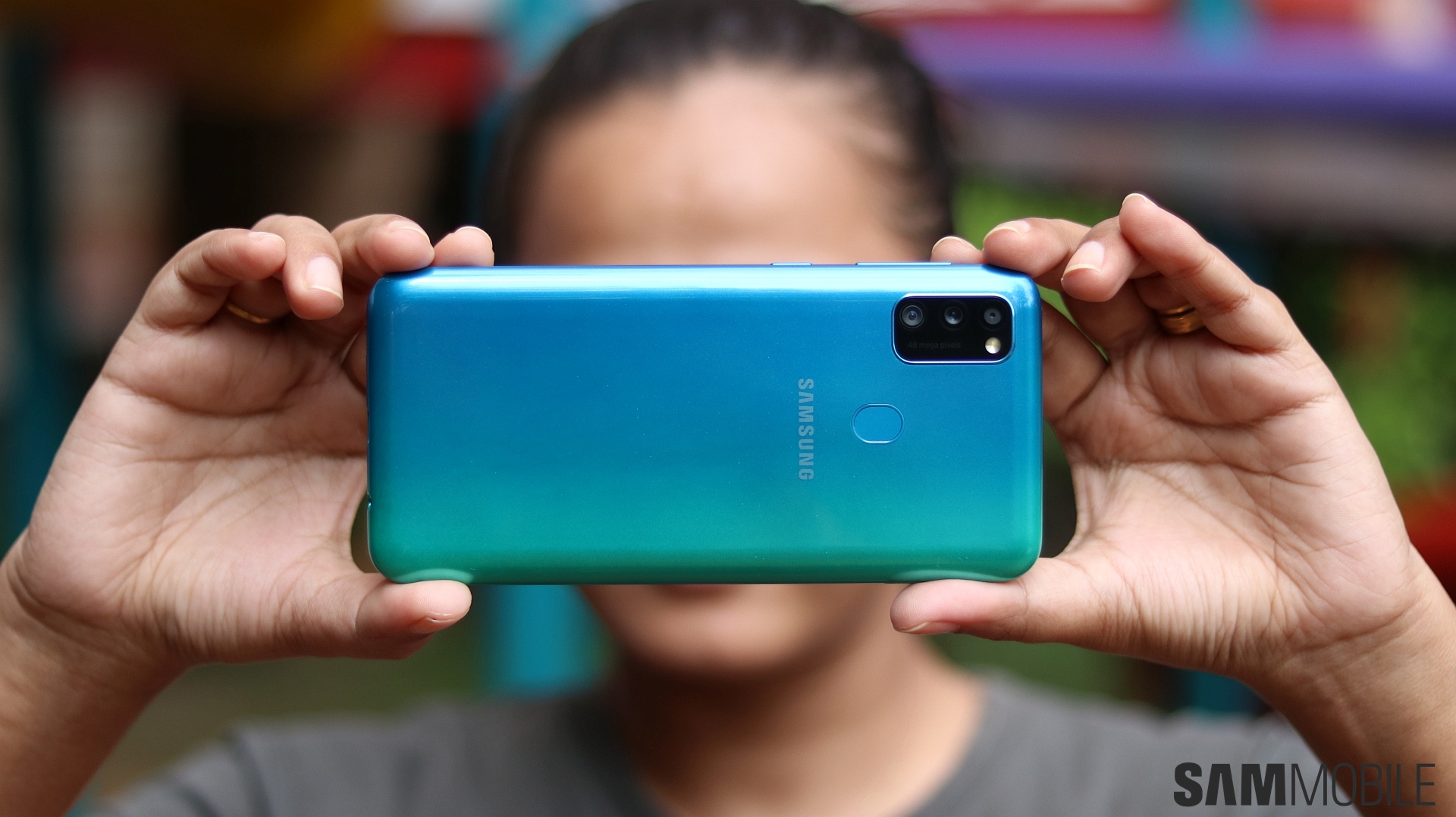
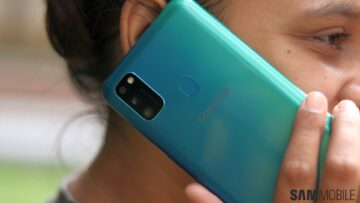
For the Galaxy M30s design, Samsung has switched things up a bit for the rear panel. Like the Galaxy M30, there’s a two-tone gradient finish at the back, but while the M30’s rear panel changed color towards the bottom of the phone, the M30s has like a 70:30 vertical split. The blue variant that Samsung sent us turns green on the side, and the company has also added tiny little dots that shimmer when the light hits them. Frankly, that shimmer makes the phone look cheap, and something like the prism pattern from the Galaxy A50s would have looked much better.
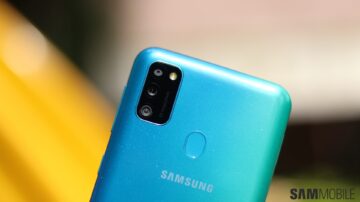
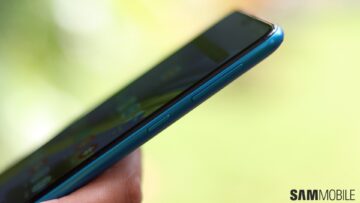
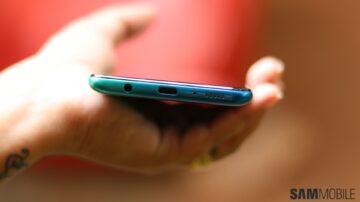
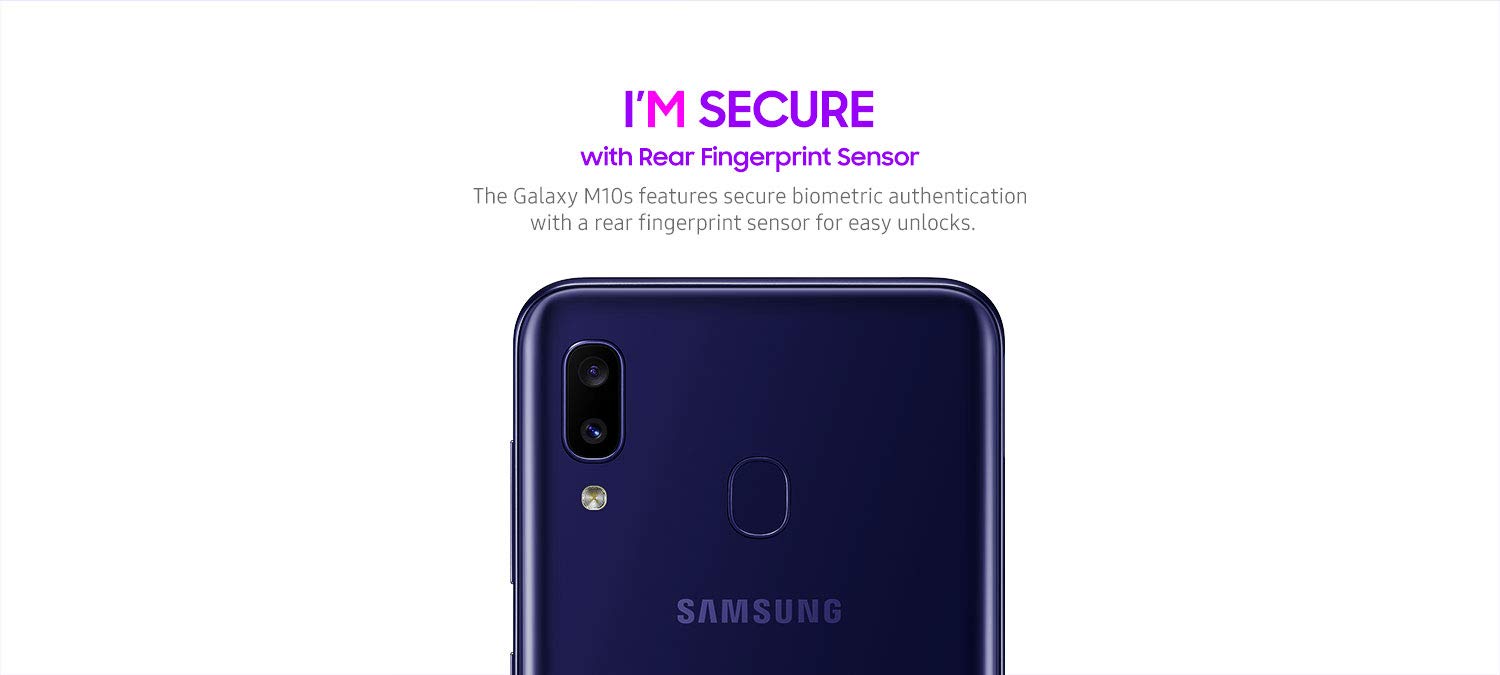
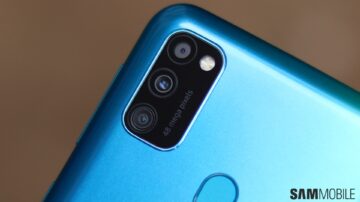
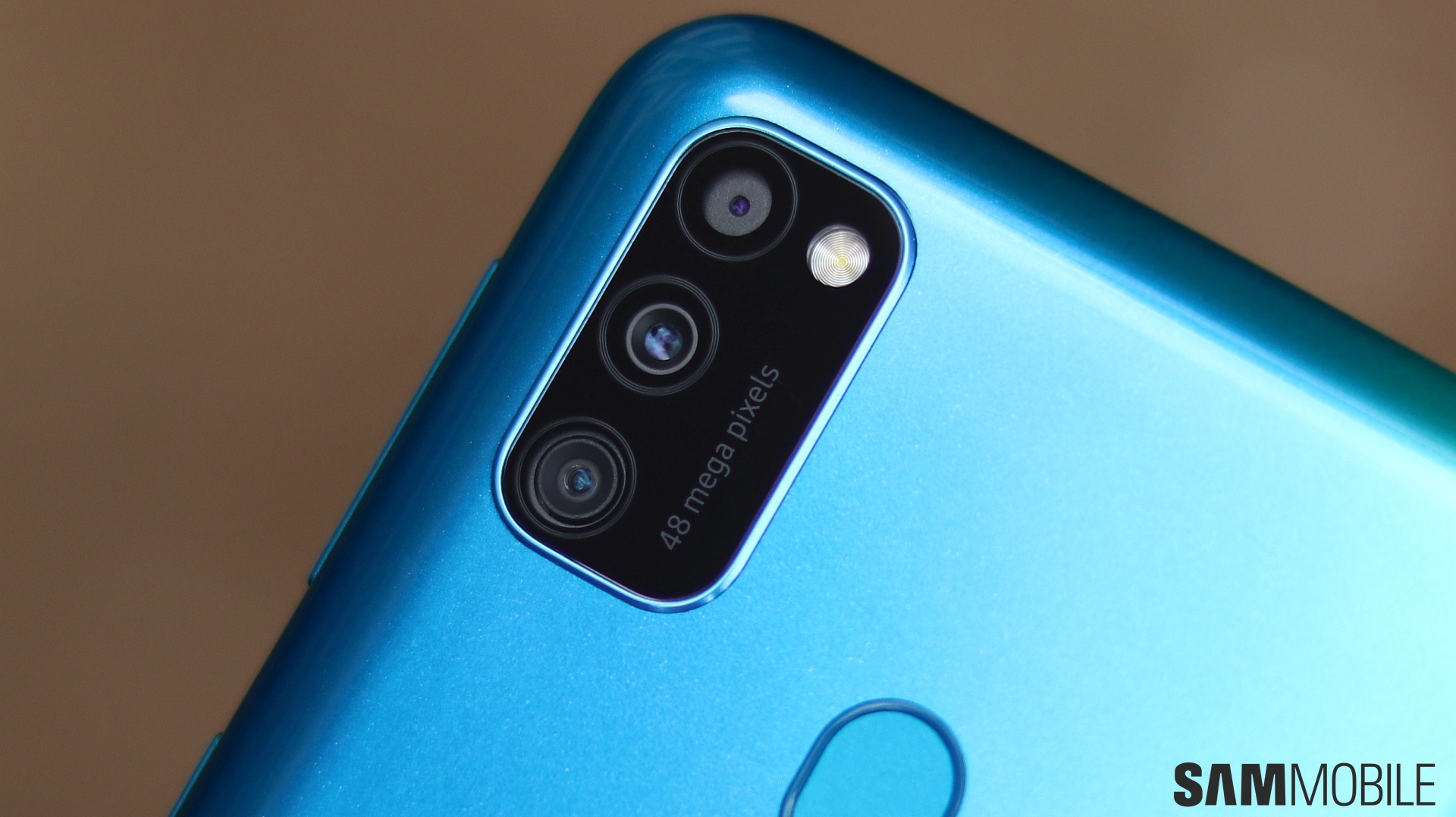
Another design change is the way the rear camera sensors and the LED flash are placed. The flash now sits inside the cutout for the cameras and on the right of the top-most sensor, with the text ’48 megapixels’ below it. Samsung has clearly taken inspiration from Huawei here – the Chinese OEM makes it a point to mention things like ‘AI Camera’ alongside the camera assembly on its phones. Samsung has taken a classier approach, however, by using a small and faint font. In fact, the triple camera setup looks quite classy overall, letting you somewhat ignore all that shimmer.
Despite the 1,000 mAh battery upgrade, the M30s hasn’t gained a lot of weight or thickness – it weighs 188 grams and has a 8.9mm profile, just 14 grams and 0.4 mm more than the Galaxy M30. It feels sufficiently compact and light for a phone with a 6,000 mAh battery, and the plastic back offers solid grip. The plastic back doesn’t feel very premium, though. It doesn’t feel cheap, either, but with companies like Xiaomi selling budget phones with glass backs at considerably lower prices, this is one area that Samsung may want to focus on for future M series phones.
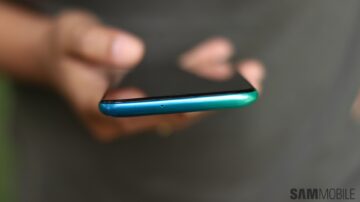
It’s worth noting that the Galaxy M30s doesn’t come with a free case in the box, unlike the Galaxy A series phones and Samsung’s flagship devices. The box doesn’t include earphones, either, something that’s common across all Galaxy M smartphones, although Samsung hasn’t ditched the headphone jack. It’s also good to see the company sticking to a physical fingerprint sensor, because the optical in-display sensors on devices like the Galaxy A50 aren’t nearly as accurate or quick as traditional fingerprint readers.
Galaxy M30s display
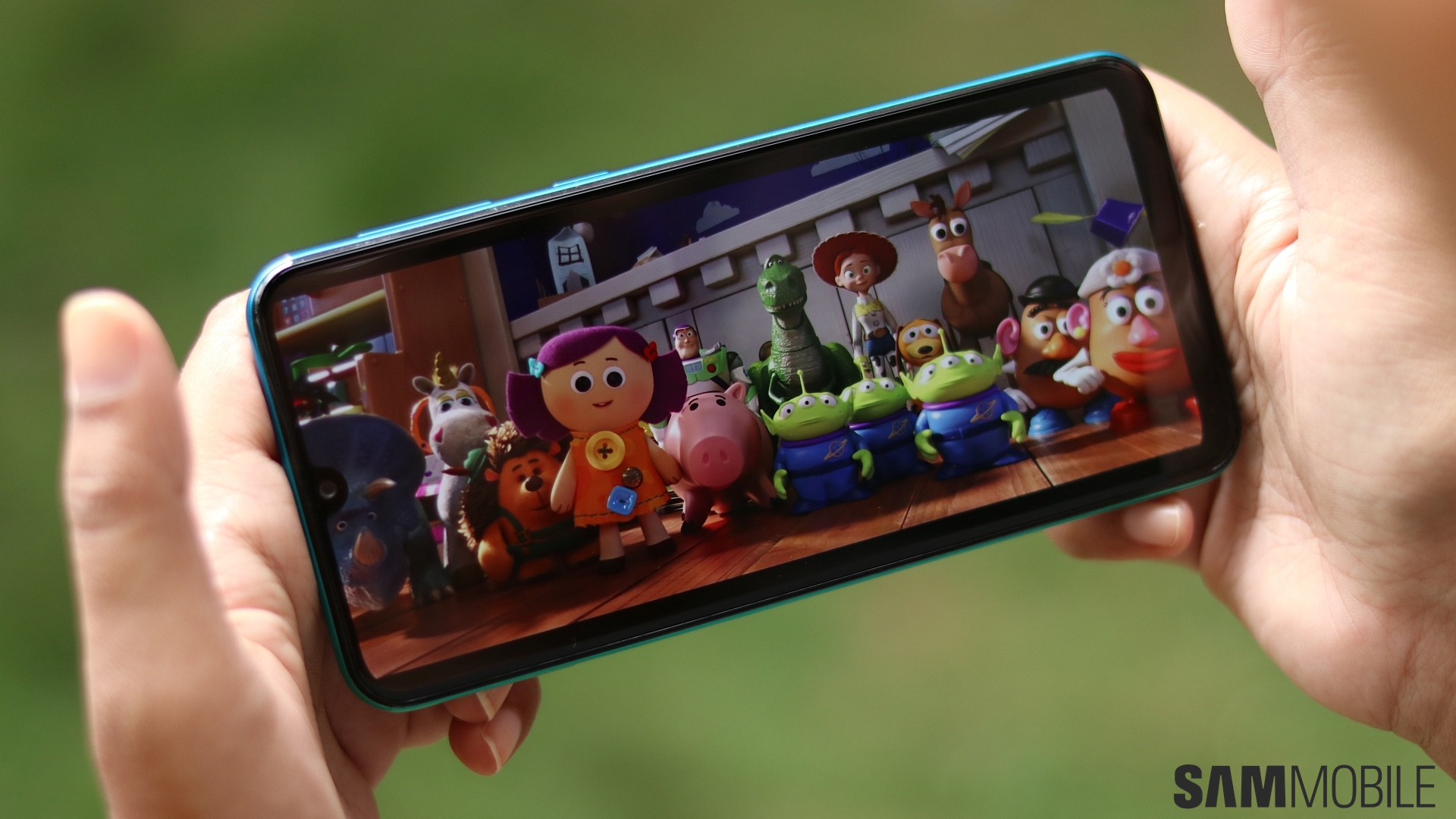
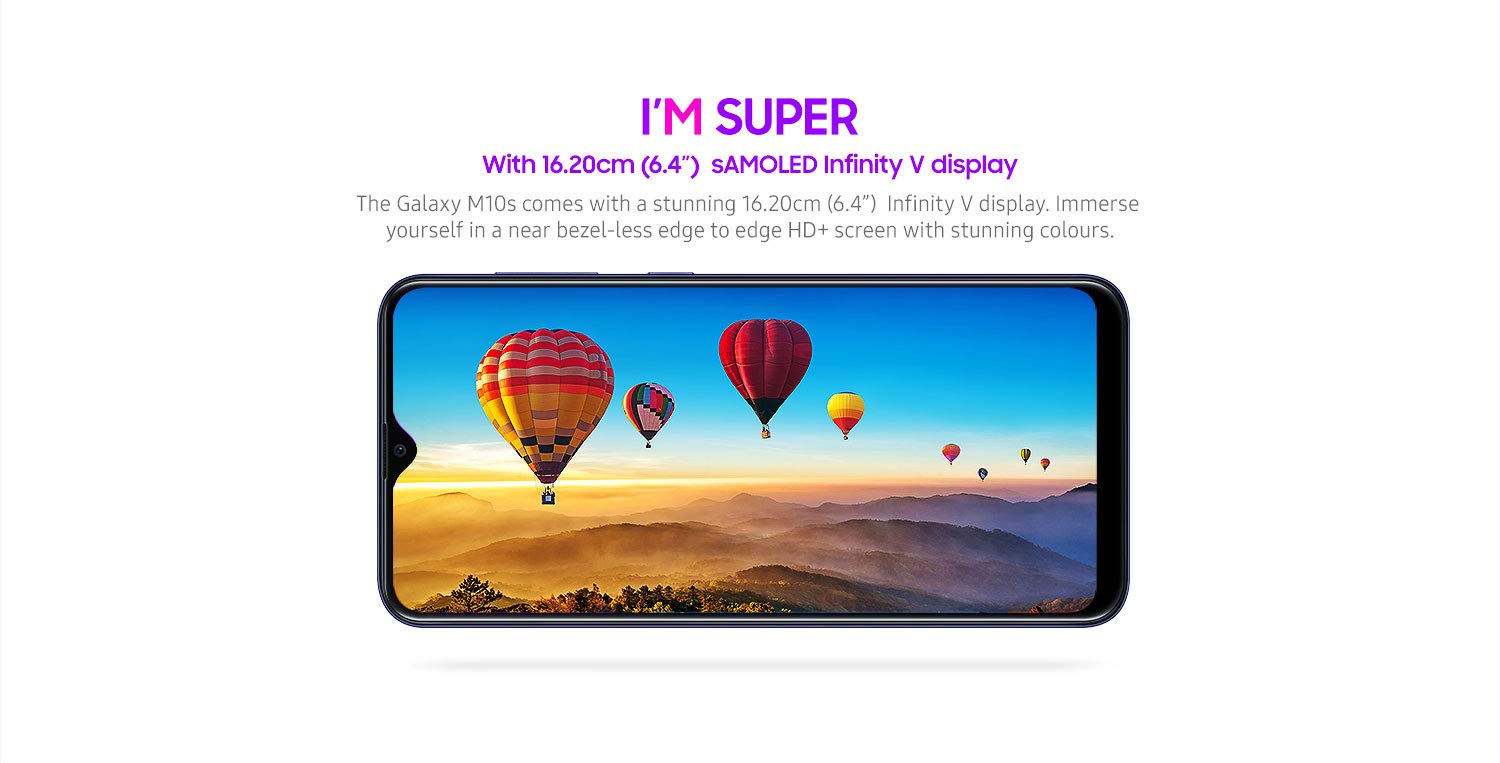
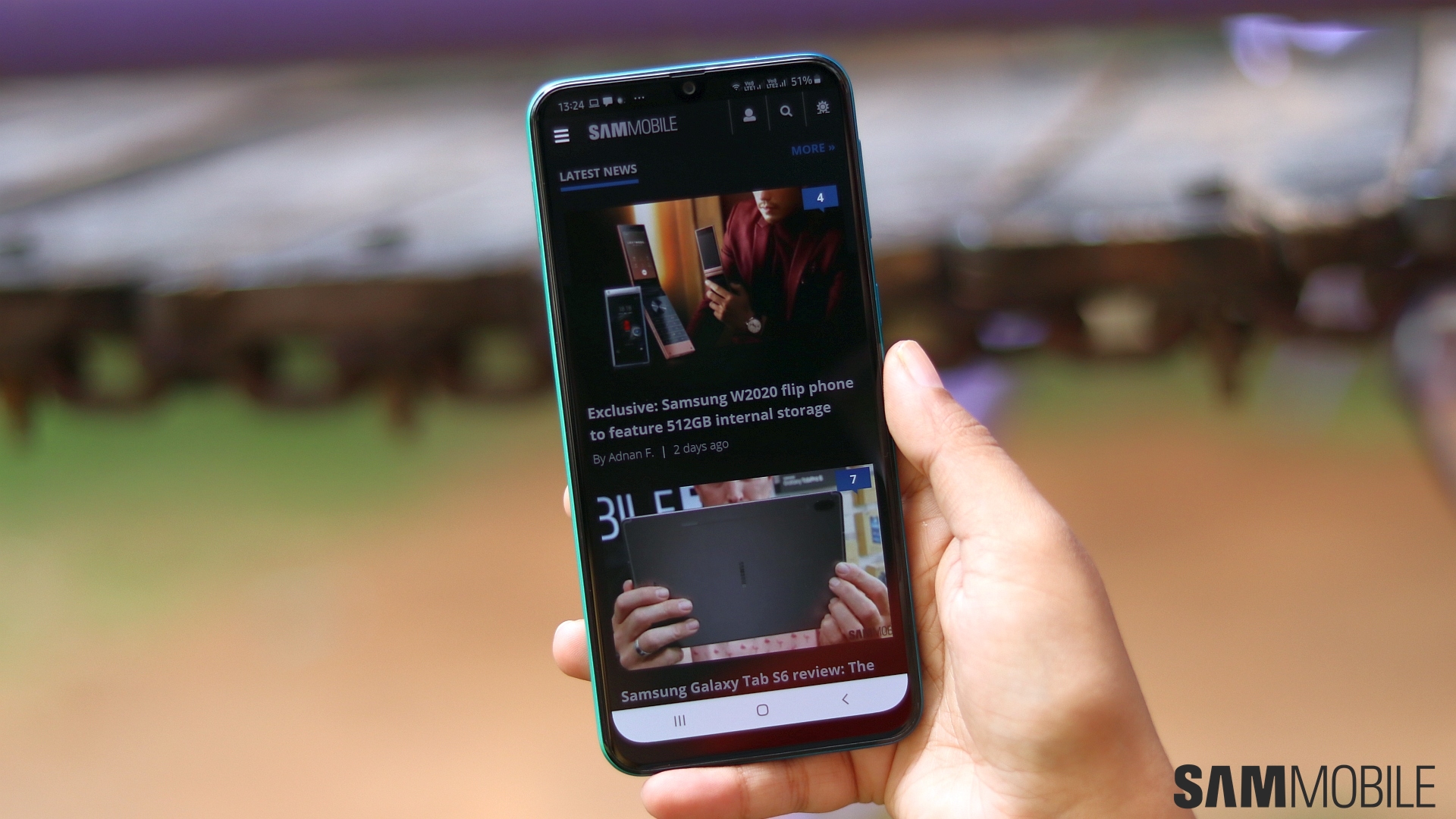
The Galaxy M30s has a 6.4-inch Infinity-U Super AMOLED display, same as the Galaxy M30. The panel seems to be unchanged, which is okay since the M30’s Super AMOLED display was pretty good just by virtue of being a Super AMOLED panel. The display mode is set to Natural out of the box so the colors don’t pop as much as they do on the M30, but you can change that with a quick trip into the display settings. Brightness levels are high and I didn’t face any issues with legibility even with the full might of the sun falling on the phone.
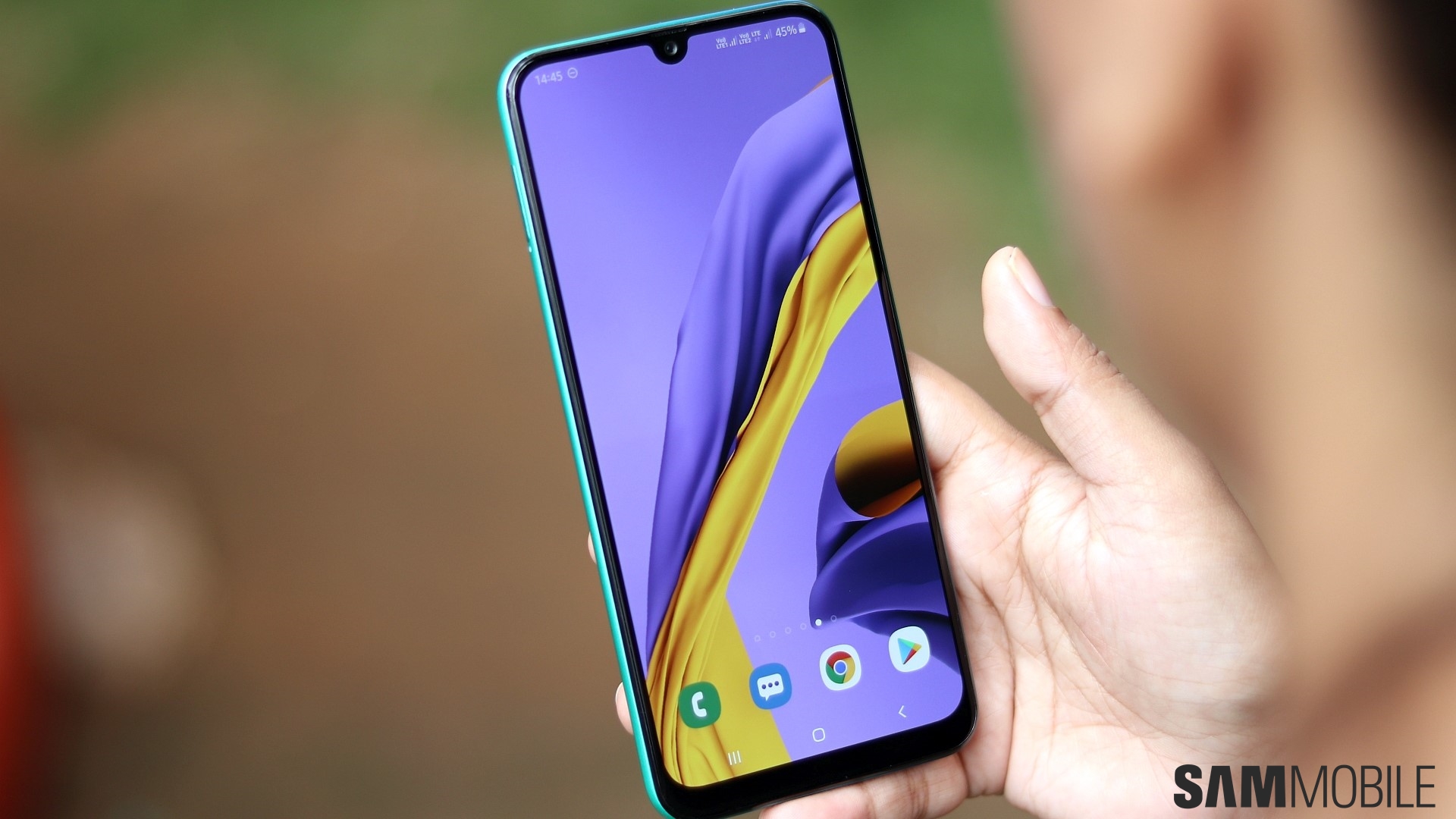
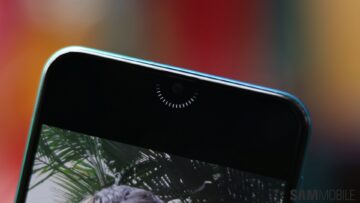
The size of the bezels has remained unchanged as well. The bottom bezel is twice as thick as the bezel on the top and sides, and I wish Samsung had done something about this. After all, the M30s is launching a month or so after the Galaxy Note 10, and while I understand the company simply took a Galaxy M30 and made some changes to make the M30s, the asymmetrical bezels can be an eyesore. The waterdrop notch at the top is far less distracting, and you’ll be ignoring it in everyday use in no time.
Galaxy M30s camera quality
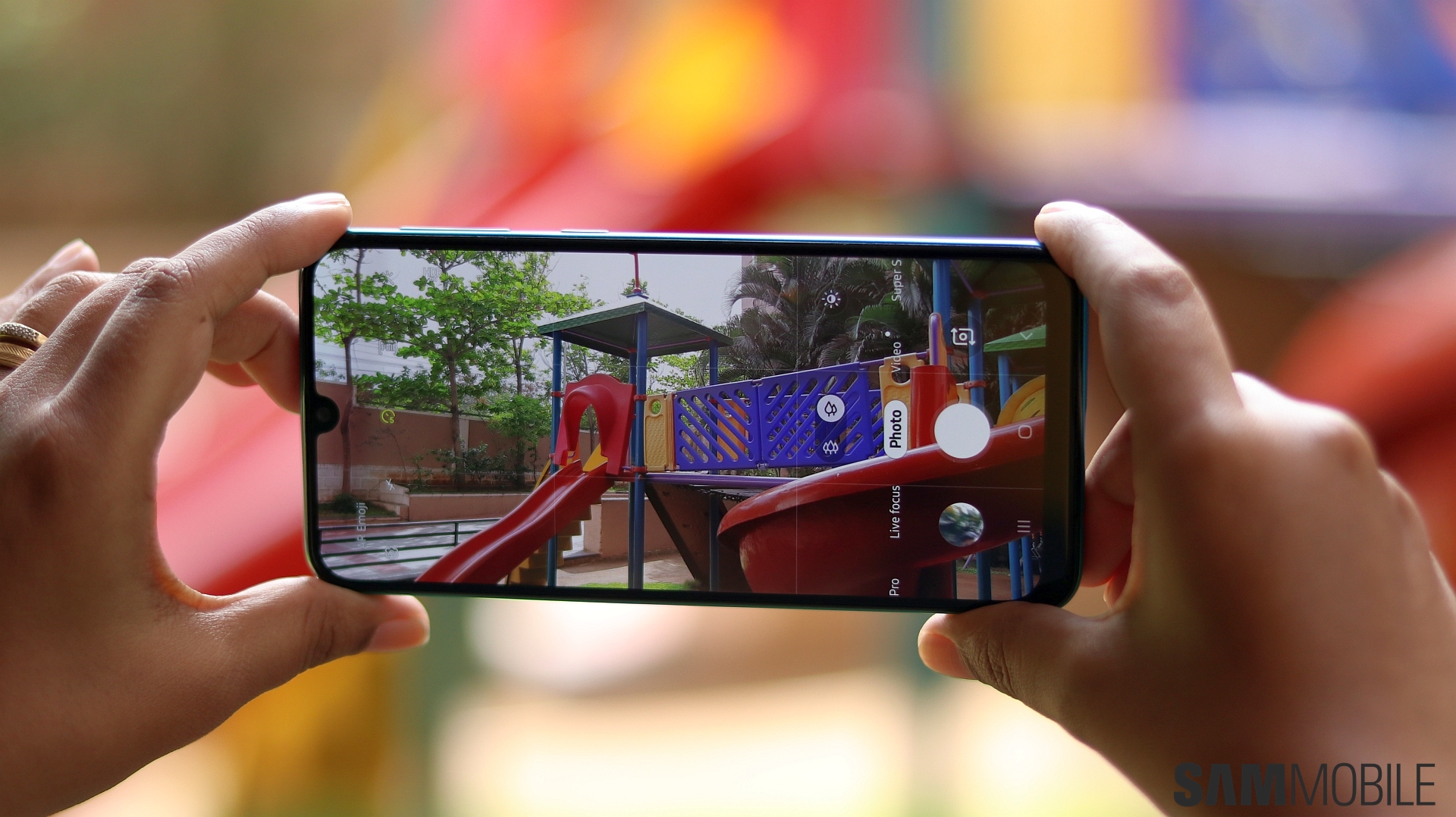
The Galaxy M30s has a 48MP primary camera on the back that’s accompanied by 8MP ultra-wide and 5MP depth cameras. The camera uses pixel binning to create 12-megapixel photos by default, so you don’t actually get 48MP files. And the results are pretty good. Detail in daylight shots is impressive, although the camera tends to overexpose brightly lit parts of the scene, such as the red flowers you see in one of the samples below. Pictures tend to lose detail in low-light conditions, but the M30s took brighter night pictures than the Galaxy M30 could manage with its 13MP rear camera.
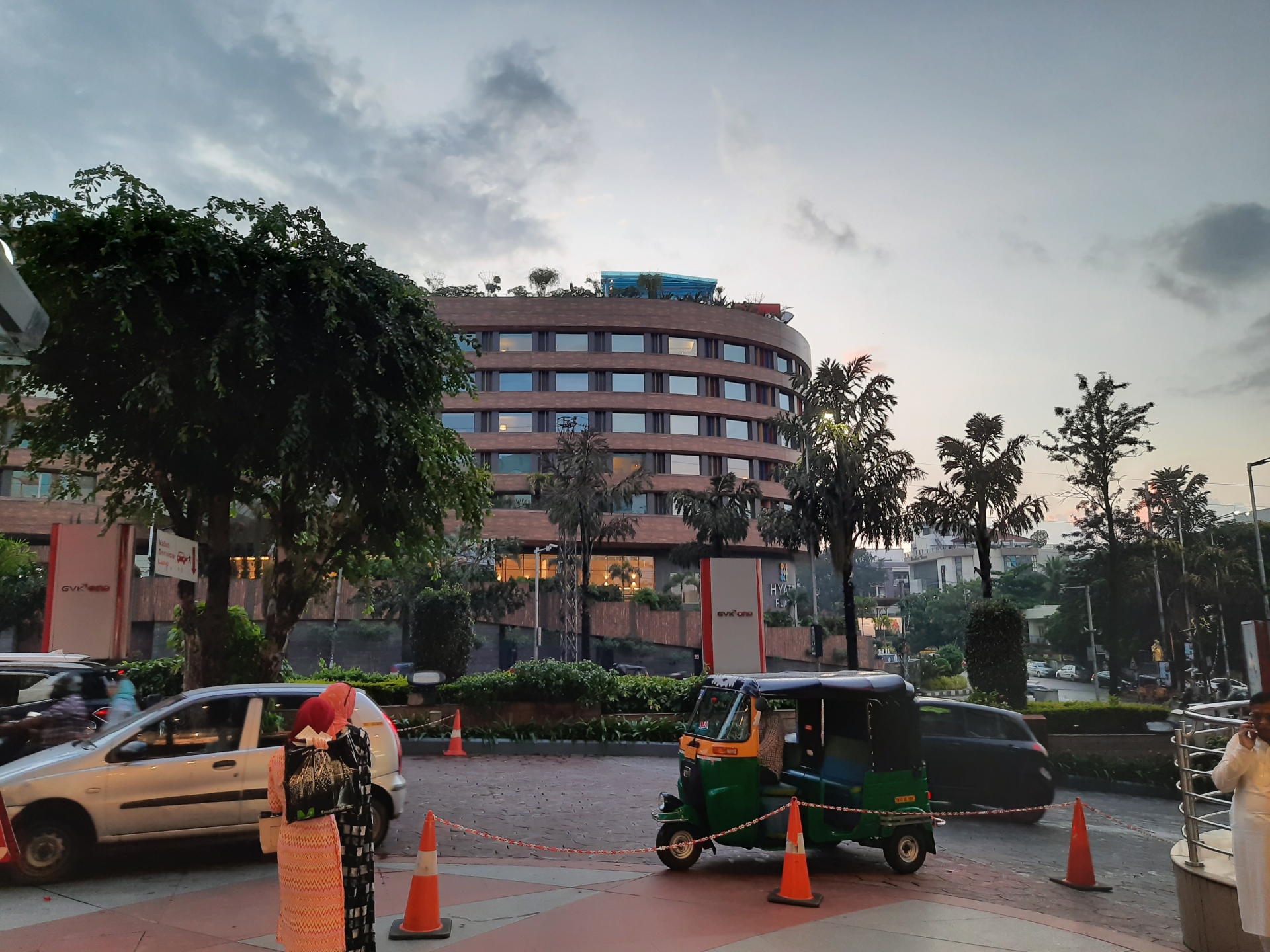





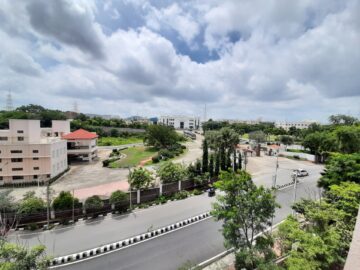



There’s also a dedicated Night mode that brightens up the scene, but it doesn’t seem to increase any detail and also overexposes light sources. Night mode pictures also crop the image a bit, and there’s no option to take Night mode pictures with the ultra-wide pictures, another feature you find on the flagship Galaxies. It’s a shame, to be honest, as the ultra-wide camera benefits more from Night mode owing to the narrower aperture and lower lens quality, but then it’s not surprising Samsung is keeping the functionality limited to its high-end offerings.
Here are two images shot using the regular Photo mode and Night mode:




Ultra-wide photos taken in daylight don’t have a lot of detail, and compared to the Galaxy M30 or the Galaxy M40, nothing has changed here. Samsung is still sticking to an 8-megapixel ultra-wide sensor with F2.2 aperture, and it’s only just good for fitting more in a scene and won’t win any prizes in image quality. As far as bokeh pictures with the Live Focus mode is concerned, background separation is pretty good in well lit conditions, and you get new blur effects from the Galaxy S10 and Note 10 series. Color point, which changes the background to black and white, is the most attractive of the lot.
The Galaxy M30s also comes with a number of other camera features, like AR Emoji, Super Slow-mo video recording, a regular slow motion mode, and a Super Steady mode that uses the ultra-wide cameras to record action camera-like videos with reduced shake. All of these are basic implementations compared to what you find on flagship Galaxy phones, and I even found that Super Slow-mo videos and regular slow motion videos both seem to run at the same speed, even though the former are supposed to be four times slower than the latter.


The M30s’ 16-megapixel front camera has carried forward unchanged from the Galaxy M30. Selfies have a good amount of detail, and the camera also manages to capture realistic skin tones, at least outdoors during the day. At night, selfies are usually overexposed, and you lose much of the detail and noise can creep in as well. You can take Live Focus selfies, and background separation in these is mostly excellent, except for the usual artefacts around loose hair. Like with rear camera bokeh shots, you can change the background blur effect in Live Focus selfies from the Gallery app.


Galaxy M30s performance
The Exynos 9611 that powers the Galaxy M30s has four 2.3GHz Cortex-A73 cores for demanding tasks, four 1.74GHz Cortex-A53 cores for general use, and a Mali-G72 MP3 GPU, just like the Exynos 9610 that powers the Galaxy A50. Unfortunately, while the specs on the SoC are good on paper, performance on the M30s leaves something to be desired. It runs well when you’re generally navigating through the user interface, apps launch fairly quickly, and animations don’t stutter.
However, I saw notable lag when switching between apps, and Google apps like Maps also suffered from plenty of stutter. It’s rather unfortunate that Samsung can’t optimize its software here in 2019 to make its budget phones run as well as budget phones from the competition, even with a chip like the Exynos 9610/9611. As I keep pointing out, Snapdragon chips in the same segment perform much better on Galaxy phones, and I really wish Samsung would just stop using its Exynos chips altogether, even if that means the company might have to price its smartphones a little higher.
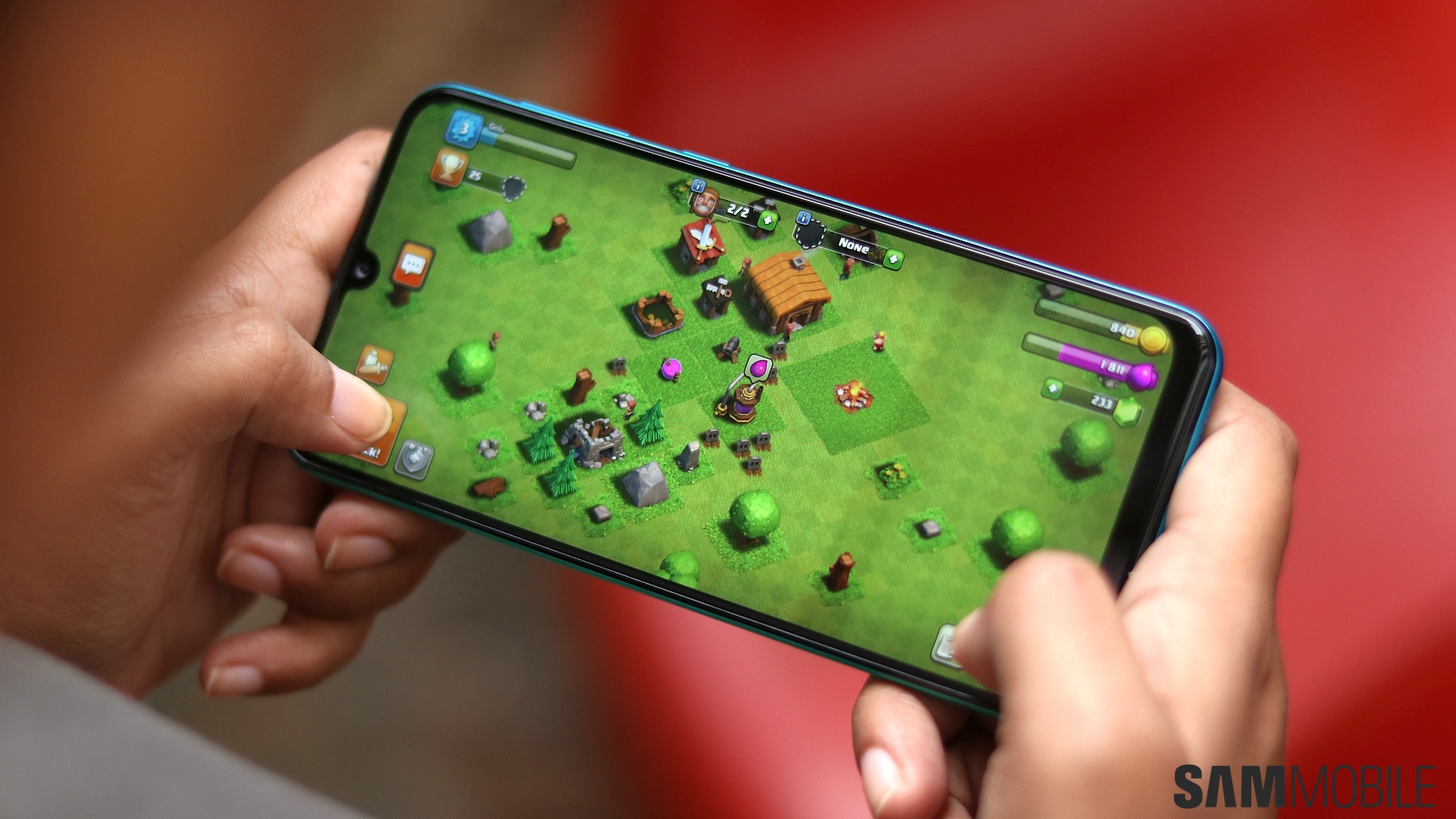
The Galaxy A50 had similar performance issues in day-to-day use, but it handled gaming with aplomb, and that’s the case on the Galaxy M30s as well. Games like Asphalt 9, Modern Combat 5, and Clash of Clans run without hiccups, and so do lighter games with less complex graphics. PUBG also runs great as long as you stick to the default graphics settings. The phone does heat up a bit with long gaming sessions, but never to the point of it being a problem.
Galaxy M30s software
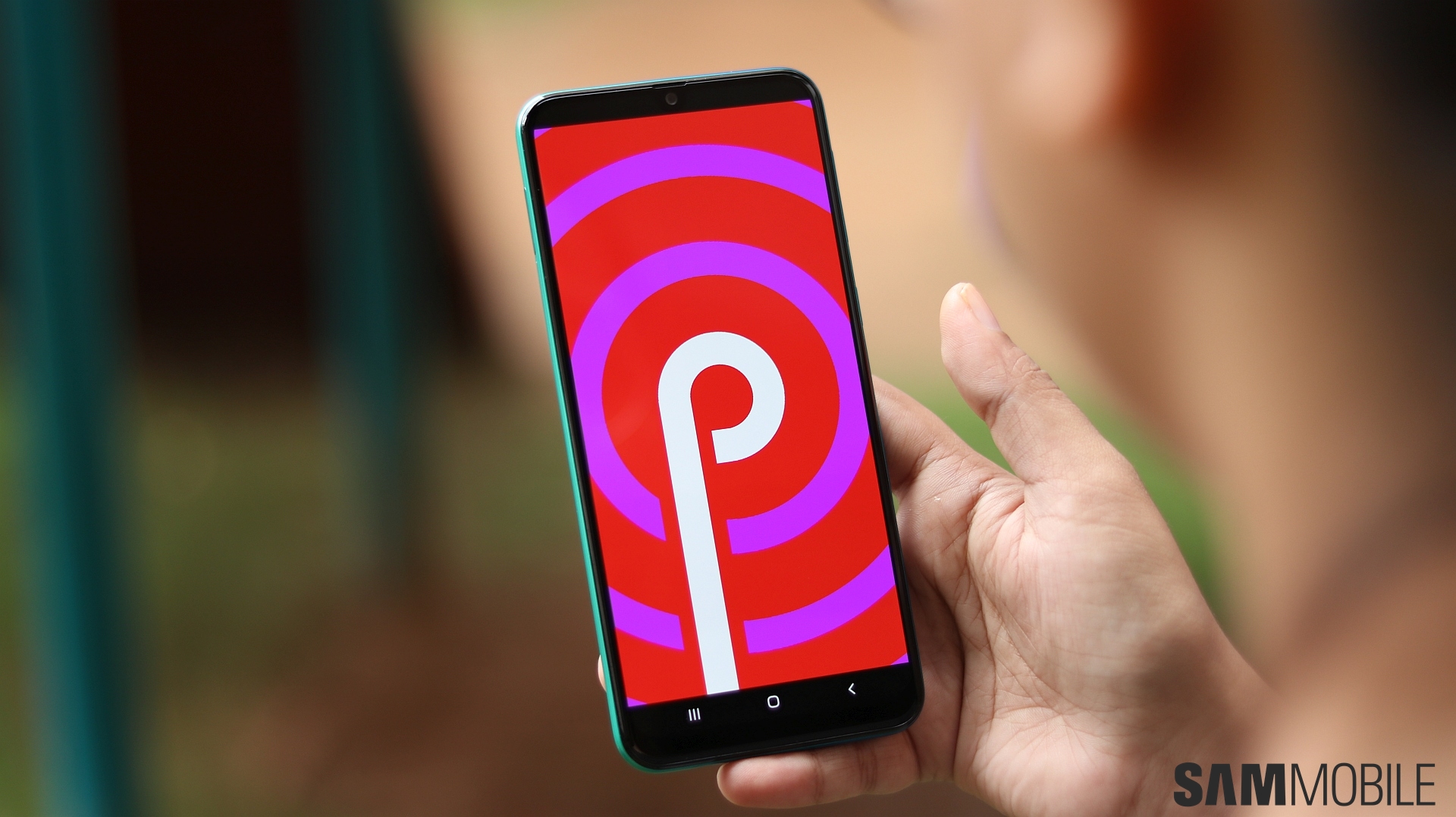
The Galaxy M30s runs Android Pie with Samsung’s One UI 1.5 interface, like the Galaxy Note 10. However, as with other M series phones, the M30s offers a rather minimal set of features. There’s no Bixby Voice, no Bixby Routines, or the Link to Windows feature from the Galaxy Note 10. Unlike the Galaxy A50s, it doesn’t have Samsung Pay, either. However, unlike other M series phones, the M30s comes with some basic tools that are common on higher-end Galaxy phones, like the Smart capture feature that allows you to take multi-page screenshots.
The Galaxy M30s also comes with Game Booster, an upgraded version of Samsung’s Game Tools that debuted on the Note 10. Game Booster has much of the same functionality – recording gameplay video and taking screenshots, blocking notifications for incoming calls and disabling auto brightness while a game is running, locking navigation bar buttons, and saving power when the device is locked while a game is running. But it adds two important functions: measuring device temperature and how much battery time you’ll have to play a game.
Features like a system-wide Night mode, blue light filter, Always On Display, facial recognition, themes, Digital Wellbeing, and motion gestures like lift-to-wake and double-tap-to-wake screen are included, but that’s about it. Perhaps Android 10 will bring some new features to the device, but we will have to wait until sometime next year before we find out. Yes, the Galaxy M30s will get Android 10 and possibly Android 11 as well, considering Samsung provided two major OS upgrades to all of its Galaxy J series phones from the last two years.
Galaxy M30s battery life
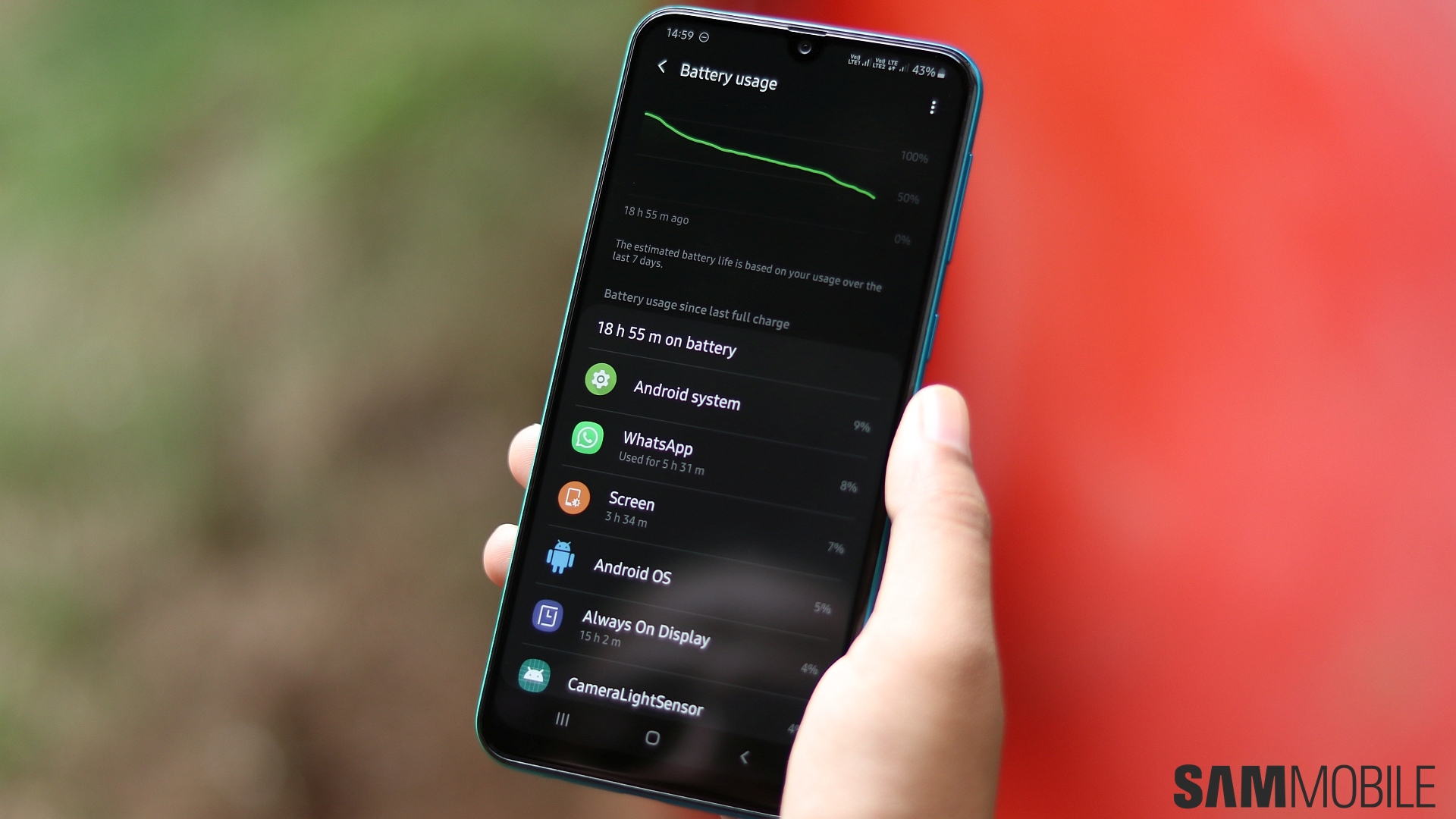
For a budget/lower-mid-range phone with a 6,000 mAh battery, you would expect the Galaxy M30s to have record-shattering battery life, but that’s not exactly the case. While the M30s has a 1,000 mAh larger battery than the Galaxy M20 and Galaxy M30, it has to be noted that it also has a more power-hungry processor inside. Where the Exynos 7904 on the M20 and M30 has two high-performance processor cores and six efficiency cores, the Exynos 9611 has four high-performance cores and is, therefore, less frugal.
And that’s likely why I’ve not seen battery life that’s a whole lot better than the Galaxy M20 or M30, or even notably so. The M30s will last you a full day no matter how heavily you use it, but don’t expect it to last two days on a single charge with anything but light usage, especially with Always On Display enabled and two SIM cards active at all times. Disable Always On Display and endurance will improve, but since the battery life with AOD enabled is quite excellent as well, I would recommend keeping it on because of how useful it is now that Samsung isn’t putting notification LEDs on its phones.
The Galaxy M30s has the usual 15W fast charging tech, so it takes around two hours and a half to reach full charge. 60 minutes of charging from 7 percent took the phone to around 38% battery in my testing, and after seeing the 25W charging speeds on the Note 10+, that felt a little too long. It would have been nice to see at least 18W fast charging on the M30s, but it looks like we will have to wait longer to see faster charging tech on Samsung’s sub-$300 smartphones.
Galaxy M30s audio and call quality
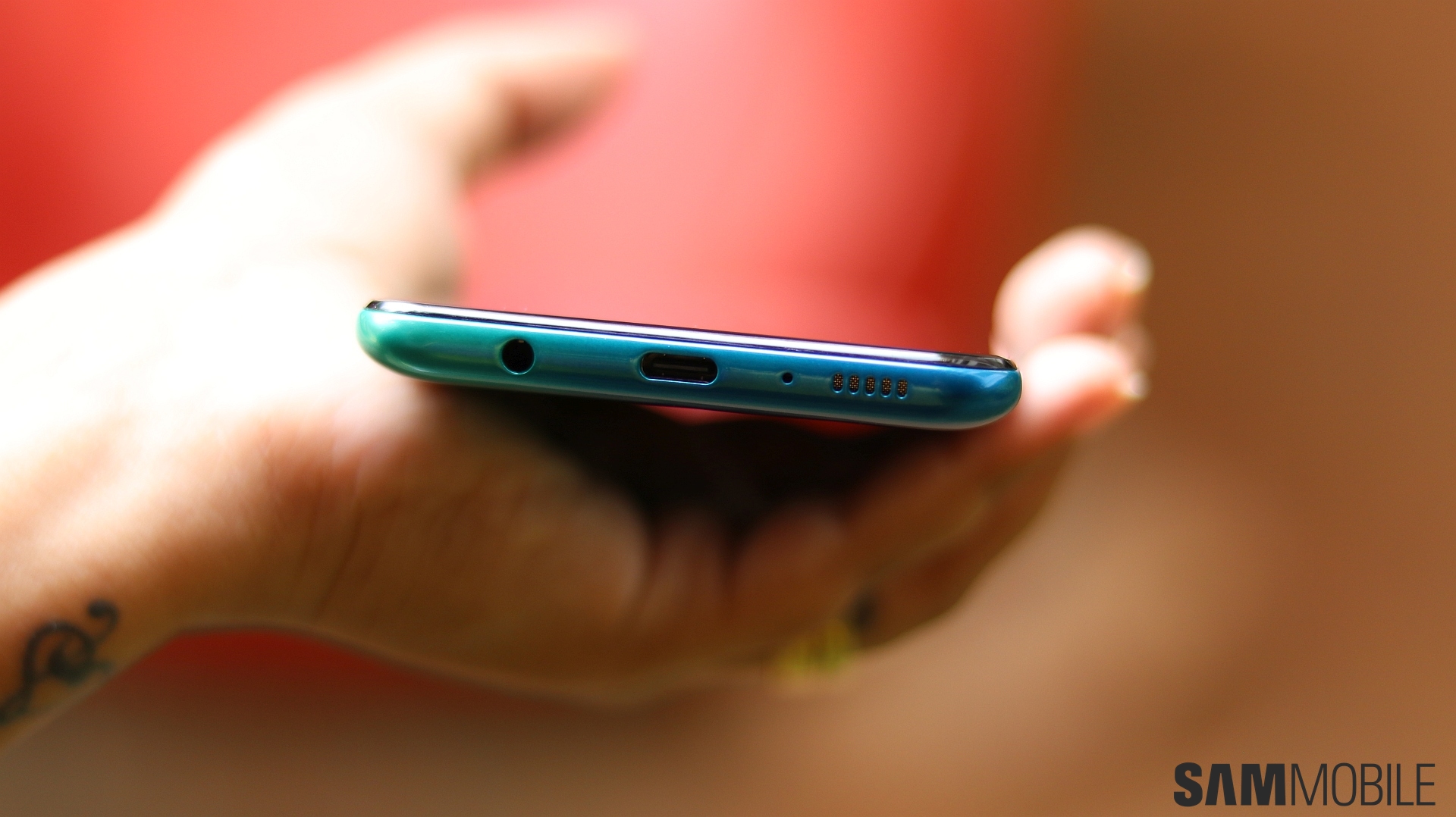
The Galaxy M30s has a single bottom-firing loudspeaker that doesn’t distort at full volume but could have done with a little more bass. Actually, it should have been louder, too. It’s good enough for a small room, but not for, say, your living room. It’s especially quiet during calls – I could barely make out what the person on the other end was saying when using the speaker for a call and had to use the earpiece even in a quiet room at 10 o’clock in the night.
Call quality itself seemed fine, and network performance on both SIM slots is good as well. As for audio quality over earphones, I tested the phone with the earphones Samsung bundles with the Galaxy A50s, and it’s the same story as other non-flagship Galaxy phones: Too much treble that overpowers the lower frequencies. Enabling Dolby Atmos adds a fullness to the sound and slightly increases the volume, but you will need to have higher-quality earphones to really enjoy watching your favorite movies and TV shows on the M30s.
Galaxy M30s verdict
If you have made it through the review, you would have noticed I had many complaints. Yes, the Galaxy M30s isn’t perfect, but for the asking price, well, those imperfections don’t matter all that much. The Rs. 13,999 starting price in India is lower than the M30’s launch price, and you get features that would seem downright impossible on a Samsung phone in this price range just a few months ago. The M30s offers excellent battery life, a beautiful Super AMOLED display, the Exynos 9611 processor that performs great in games, and a high-resolution primary rear camera.
Again, the M30s falters in some areas – performance in day-to-day use needs more optimization, the software could do with more features, and low-light camera performance could be better. But, when it comes to the value-for-money quotient, the Galaxy M30s is undoubtedly the new champion in Samsung’s budget lineup and gets a hearty recommendation.
| Pros |
Cons |
| Excellent Super AMOLED display |
Google apps like Maps stutter, switching between apps can have some lag |
| Amazing battery life |
Cameras don’t do great in low-light conditions |
| Cameras perform well in daylight, features like Super Slow-mo video recording |
Battery life not wholly better than the M30 likely due to more power-hungry processor |
| Android Pie with One UI 1.5 out of the box |
Software too barebones, lacks many useful features, like Bixby Routines |
| Ultra-wide camera is useful as always, bokeh shots come out well |
No earphones in the box |
| Good performance in games and most day-to-day tasks |
|
| It has a headphone jack |
|
|
|
The post Galaxy M30s review: Samsung’s new value-for-money champion appeared first on SamMobile.
from SamMobile https://ift.tt/2O7ZOiN
via
IFTTT