الأربعاء، 8 يوليو 2020

Galaxy Note 20 Ultra hands-on video leak reveals interesting details

Several live images of the Galaxy Note 20 Ultra have been leaked online this week, giving us our first proper look at the new flagship. The same source has now posted a short hands-on video leak of the Galaxy Note 20 Ultra.

Some interesting details have been revealed in this video. As expected, the Galaxy Note 20 Ultra is a pretty substantial device. Many of the design changes that we have been hearing about have also been confirmed by this video.

Galaxy Note 20 Ultra video leak leaves little to the imagination

The front of the device is obviously all display. It’s a massive 6.9-inch panel with 120Hz refresh rate. The Galaxy Note 20 Ultra will be instantly distinguishable from the back because of its camera setup. The camera sensors are placed inside circular cutouts while a laser autofocus module can also be seen.

This confirms earlier reports about Samsung ditching ToF on the Galaxy Note 20 Ultra to eliminate focus issues. It’s important to note here that the camera bump appears to be bigger than it was on the Galaxy S20 Ultra. This won’t be encouraging for those that didn’t like the Galaxy S20 Ultra for precisely this reason.

The Galaxy Note 20 Ultra is wider, taller and beefier than the Galaxy Note 10+ overall. That was to be expected. The new S Pen pointer feature is shown off as well in this video. Speaking of the S Pen, the position has been switched. You will find the S Pen on the left of the charging port on the Galaxy Note 20 Ultra. As someone who has been using Note handsets for the past few years, I can already feel that this will take some getting used to. The speaker has also been moved to the left.

As we can see at the start of the video, the Galaxy Note 20 Ultra will come with One UI 2.5. The features that it brings haven’t been detailed yet. Seeing as how at least one Note 20 Ultra unit is now out in the wild, it may only be a matter of time before we get to know more about it. Samsung has confirmed its Galaxy Note 20 launch event for August 5.

Are you impressed by the Galaxy Note 20 Ultra after what you’ve seen so far?

The post Galaxy Note 20 Ultra hands-on video leak reveals interesting details appeared first on SamMobile.


from SamMobile https://ift.tt/31XRVU4
via IFTTT

Samsung Galaxy A21s review: Only worth it for outstanding battery life

The Galaxy A21s is one of the cheapest phones in Samsung’s 2020 A series lineup. It’s special for two reasons: It has a 5,000 mAh battery under the hood, and it is powered by the Exynos 850 processor. The Exynos 850 is the first low-end chipset that Samsung has built on its 8nm process node, which was also used for the Galaxy S10’s Exynos 9820 last year. It should be pretty efficient as a result, and pairing it with a massive battery was a smart move.

But battery life is not the only thing one looks for in a smartphone. People also want a beautiful display, good cameras, and fast performance, even in affordable phones. How does the Galaxy A21s fare in all those departments? The answer to that question is already somewhat answered in this review’s title, but you will need to continue reading for the nitty-gritty details.

Galaxy A21s design and display
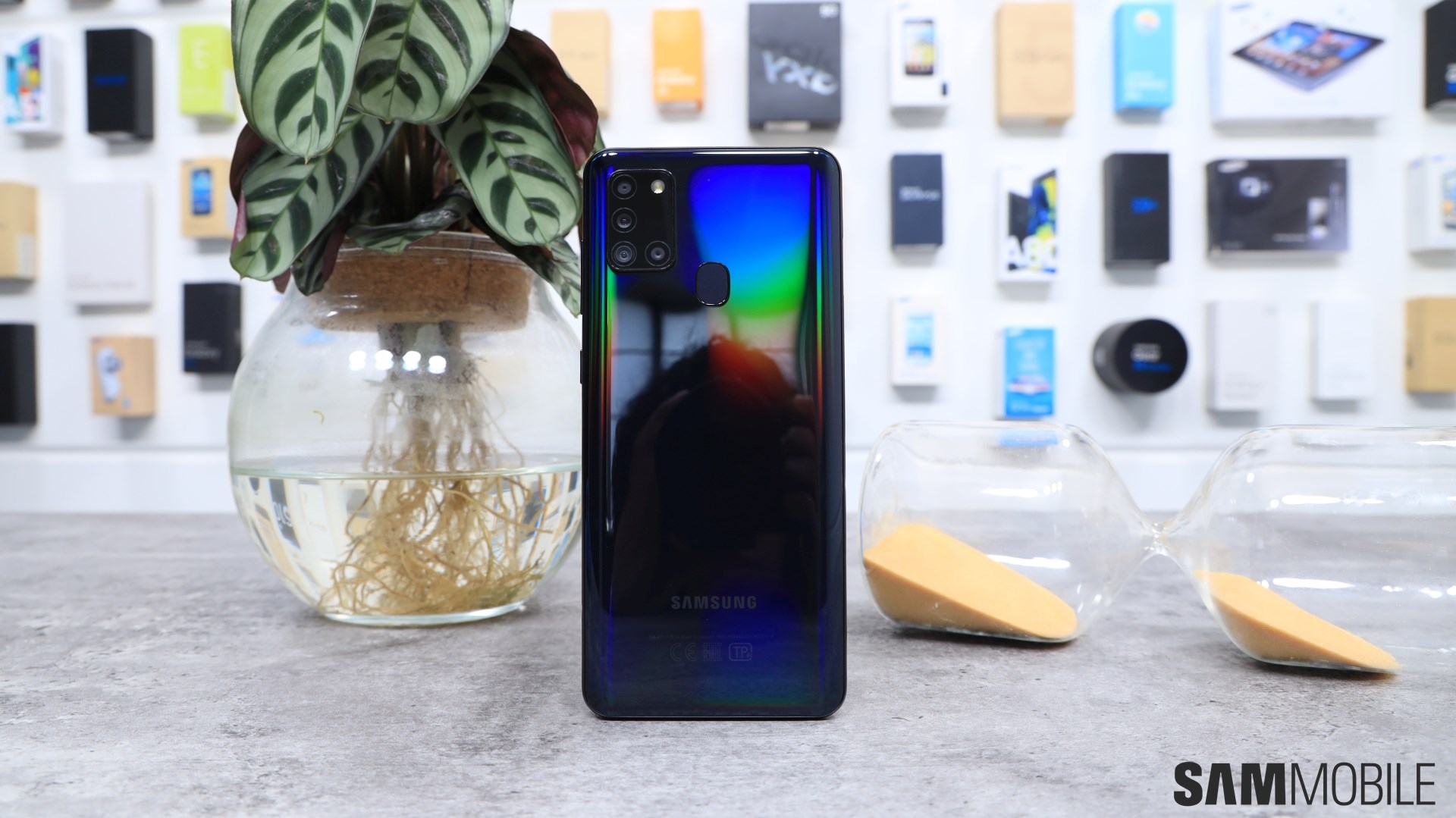
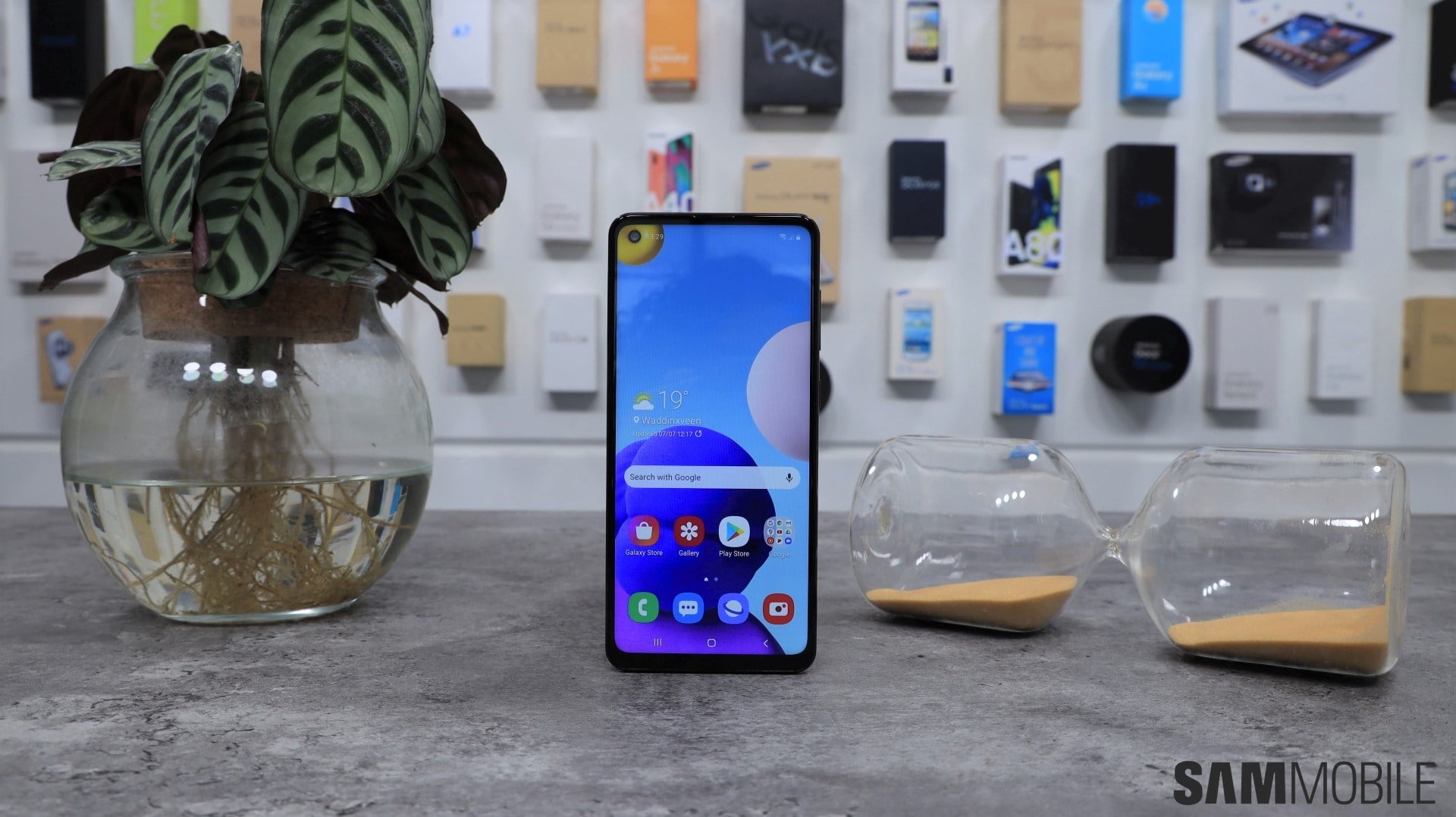
The A21s has the run-of-the-mill design that we have come to expect from Samsung’s affordable mid-range phones. The phone has a plastic back with a gradient finish that reflects light beautifully. The back is completely plain, with none of the engravings and patterns you see on devices like the Galaxy A51. It’s a classy look, and the phone also feels good in the hand, partly because of the heft that results from the 5,000 mAh battery inside.

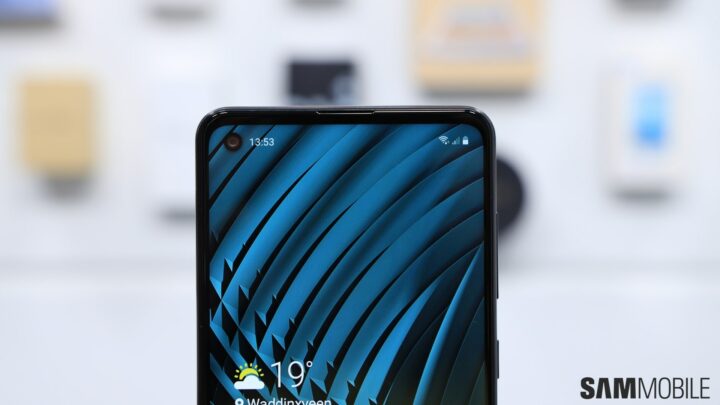
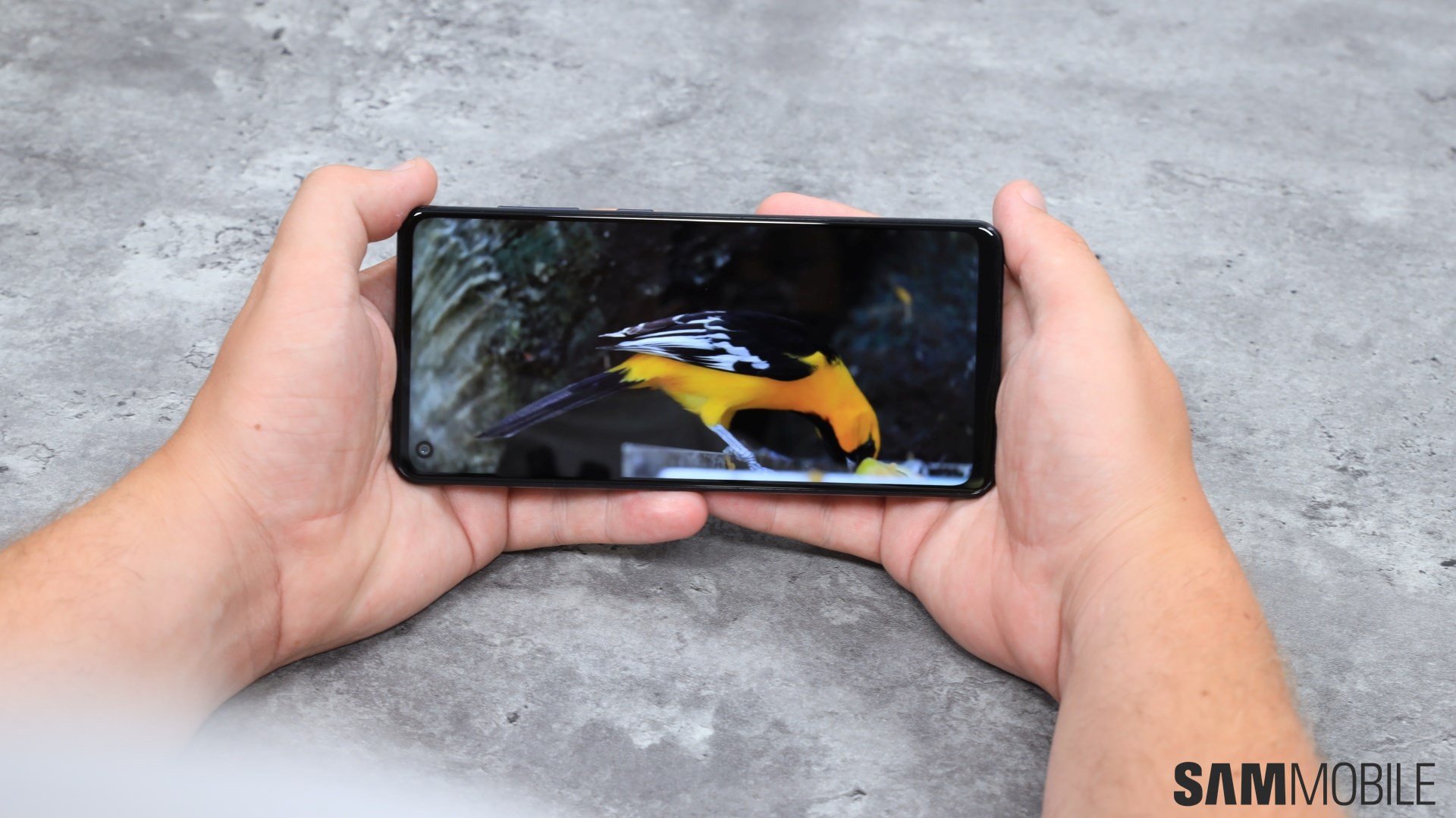
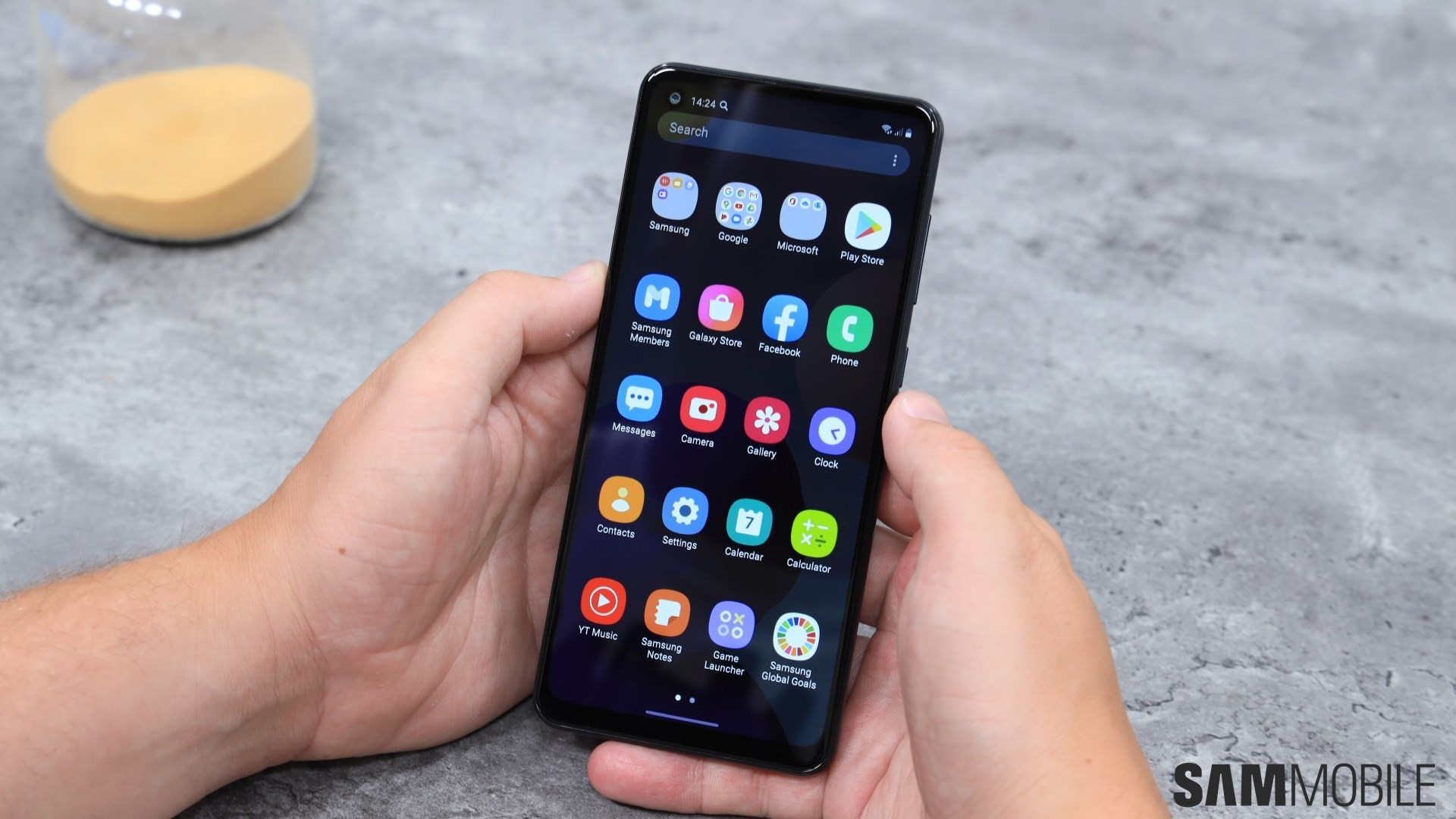
Unfortunately, the front side of the phone is a different story. The 6.5-inch Infinity-O display, with its punch hole in the left corner, is an LCD panel and has HD+ resolution, so it’s somewhat drab and not very sharp. The Galaxy A20s had the exact same display, so there’s no upgrade here. I mean, the display gets the job done, but an AMOLED display would have been much better and would have considerably elevated the viewing experience.
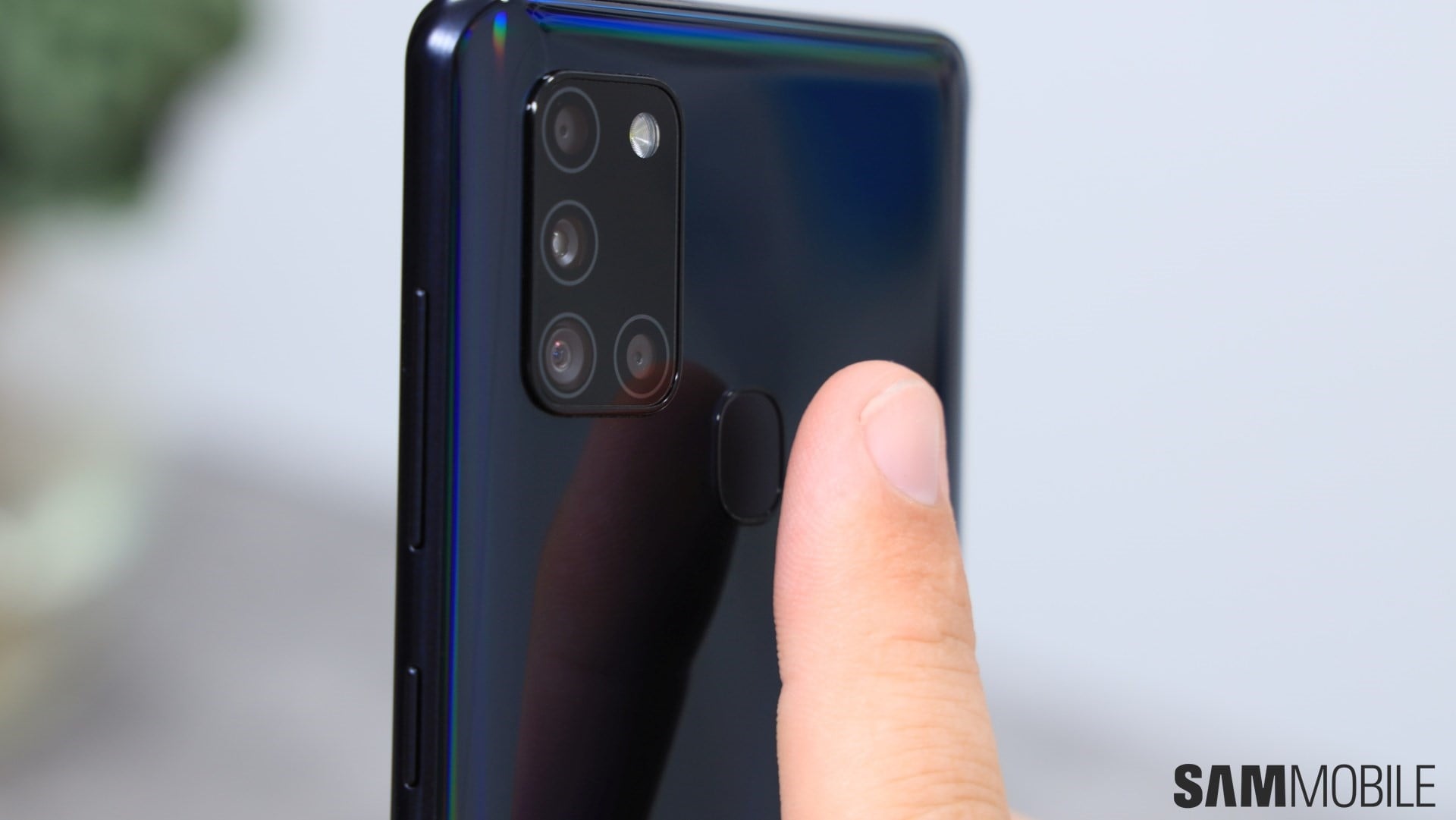
The Galaxy A21s has a rear-facing physical fingerprint reader. While Samsung has massively improved the responsiveness and accuracy of its in-display fingerprint sensors this year, I still think the physical reader is an advantage for any phone that has it. It’s not fancy, but it is the fastest and most accurate fingerprint recognition tech out there, except for the obvious disadvantage that it’s placed at the back and requires one to pick the phone up before it can be used.
Galaxy A21s camera
Galaxy A21s review

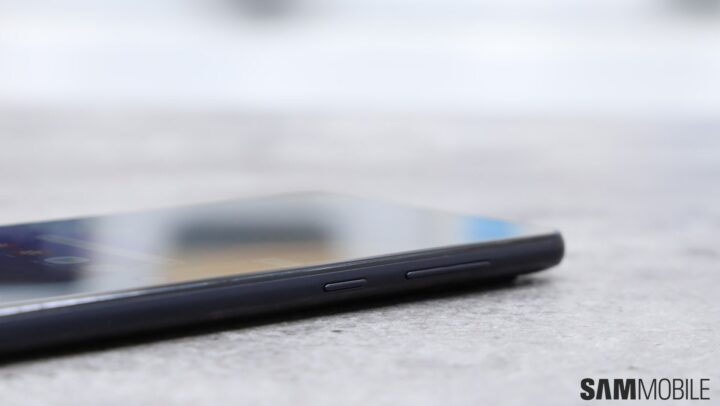
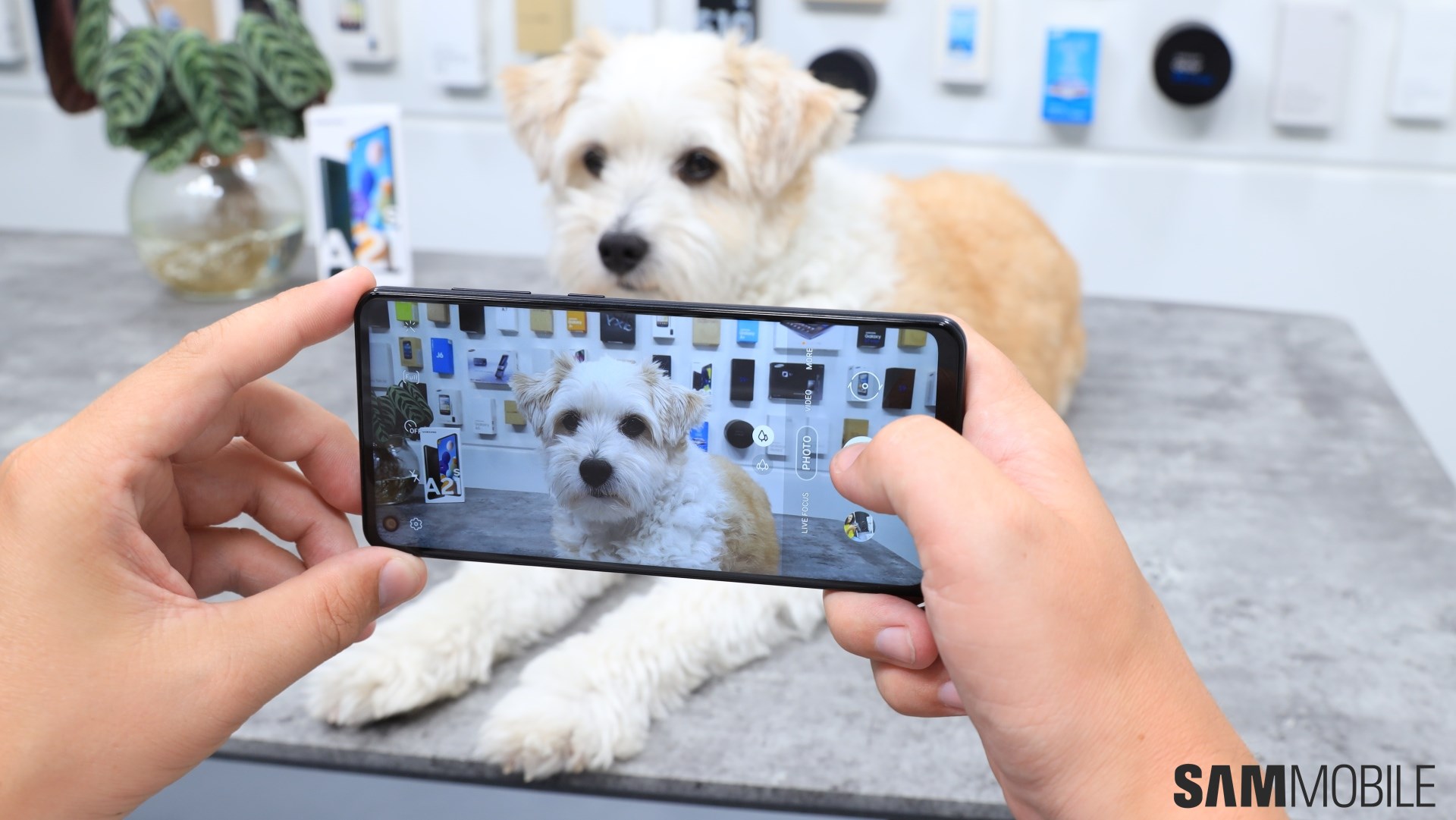
The Galaxy A21s has four rear cameras. But unlike the costlier A series phones, two of them — the depth and macro cameras — have measly 2-megapixel sensors. The depth camera is only used for background blur in bokeh photos and works fine despite the limited resolution, but the macro photos have pretty much no detail to offer. And since it’s a fixed-focus lens, it’s hard to get the distance to the subject just right with the macro camera, and that often means you will end up getting out-of-focus pictures. The macro camera is there if you need it, but its quality leaves much to be desired.

The main camera, which has 48 megapixels to work with, takes photos with excellent detail and vibrant colors in the daytime. Dynamic range is usually pretty good as well. Nighttime performance is underwhelming, however. Detail is lost when you take photos indoors in artificial lighting, and noise creeps in when you take a low-light picture. Like the Galaxy A31 and A41, the A21s has no dedicated Night mode, so there’s no way to manually improve the quality of low-light pics. The phone also lacks other modes such as slow motion and hyperlapse.

The ultra-wide camera is quite useful, though its picture quality is strictly average. Selfies with the 13MP camera have sufficient detail and accurate colors, but there’s plenty of noise in low-light conditions and the detail gets almost completely destroyed. Nothing unique here – it’s just how selfie cameras in this segment tend to perform no matter which phone you might pick up. And yes, you can take bokeh photos with the Live Focus mode on the front camera as well. You can adjust the level of background blur on the fly or after taking a photo, but there are no background effects to choose from.

Below are some regular, ultra-wide, macro, bokeh, and selfie pictures for you to enjoy.

Galaxy A21s performance
The Exynos 850 inside the Galaxy A21s is efficient, but its performance is barely satisfactory. I saw lag in everything I tried to do, whether it be opening apps, switching between apps, or going to the home screen. Clicking a link inside an app like Slack would sometimes result in almost a two-second wait before the browser opened, which frustrated me because I felt like it slowed down my work. My review unit had 3GB of RAM, but the variant with 4GB RAM that we have in our office in the Netherlands isn’t any better.

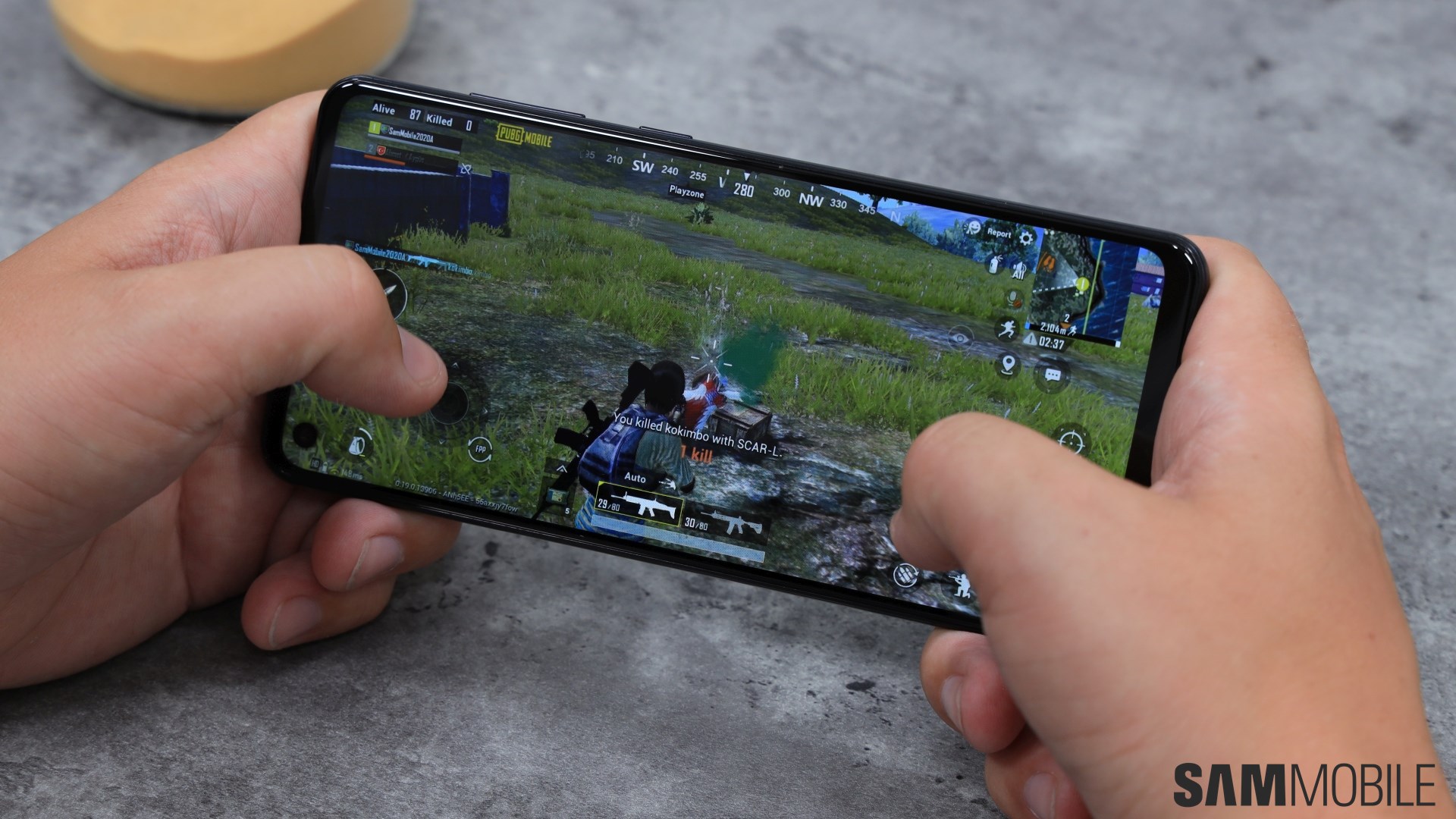
Oddly enough, you can play PUBG and Call of Duty at the minimum graphics settings with a somewhat smooth frame rate. I am guessing the low screen resolution doesn’t tax the GPU too much, but again, you need to be at the lowest graphical settings to get the playable frame rate. Anything above low and the frame rate slows down to a crawl. Simpler games, like Clash of Clans or Monument Valley, run like a charm, as you would expect from any smartphone in this day and age.

To be honest, performance on the A21s isn’t that bad, but you have to consider the fact that Samsung is selling devices like the Galaxy M21 and M31 in the same segment. Both those phones offer considerably better performance and specs. In India, the M21 is considerably cheaper than the A21s and the M31 is also slightly cheaper, making them better options. In many European and Asian markets, the M21 and M31 are barely €10-20 costlier than the A21s, making this A series phone a questionable entry in this price segment (a point I will revisit in the verdict of this review).

Galaxy A21s software
Galaxy A21s review

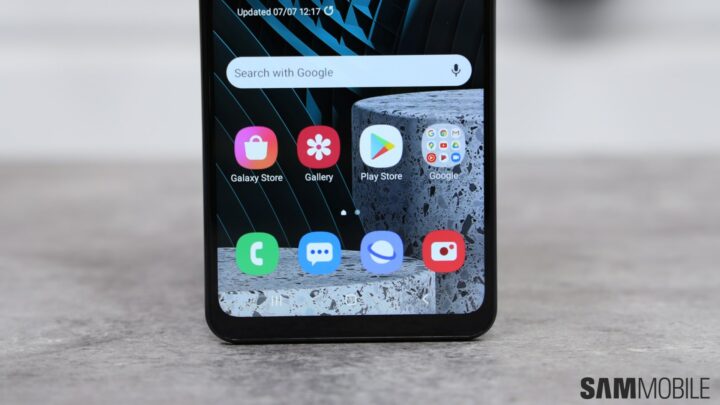
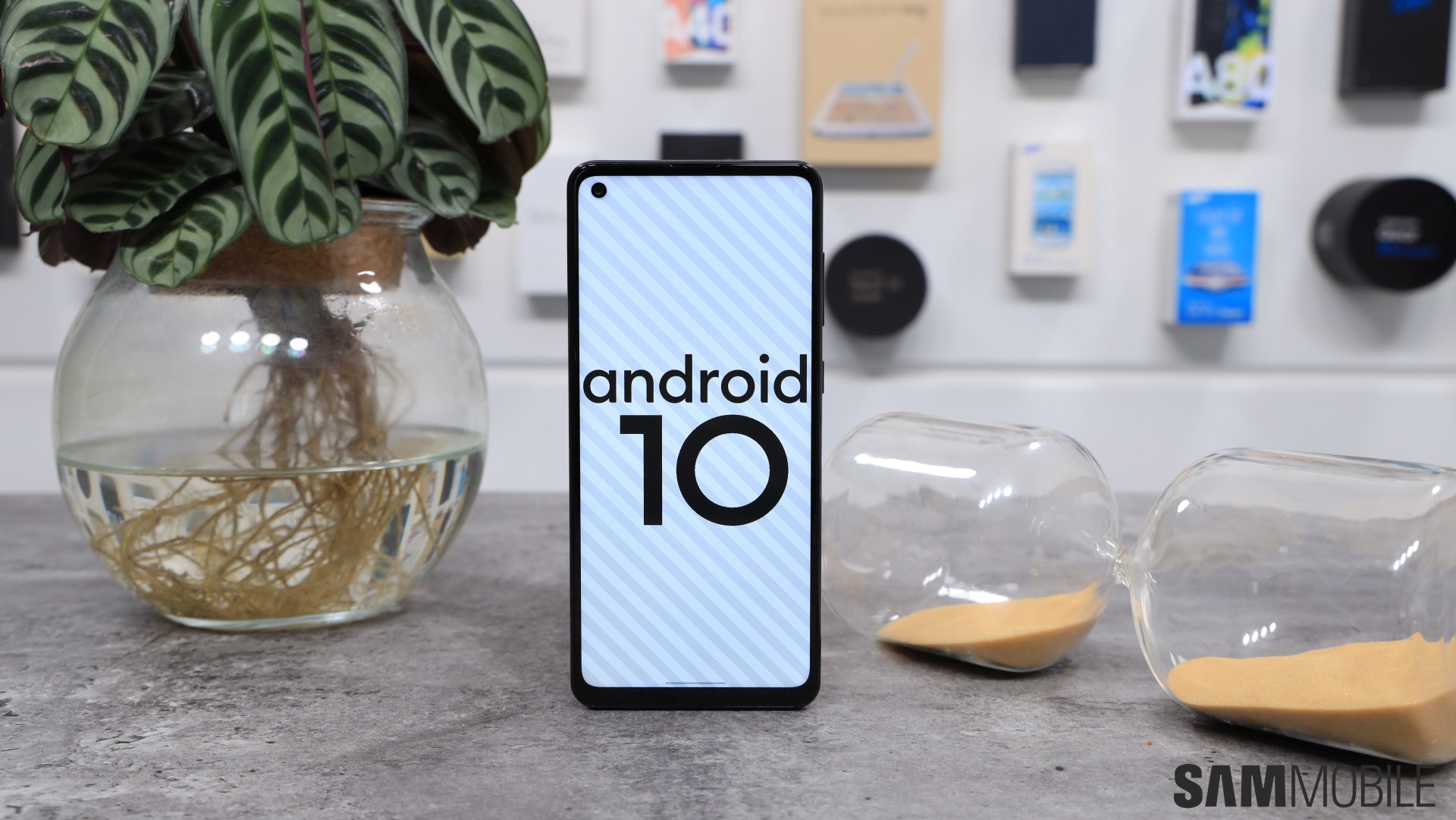
The Galaxy A21s has the distinction of being the first Galaxy phone to run the Core version of One UI 2.1. The Core tag means it only has the most basic of features, similar to the Galaxy M series phones. You don’t get traditional Samsung features like Always On Display or Secure Folder, which are available on Galaxy M phones, nor are there newer features like One UI 2.0’s screen recorder. One UI 2.1’s excellent sharing functionality is included, but it’s a barebones software experience overall, as one expects from Galaxy devices in the lower end of the price scale.

Naturally, Android 10 features like Digital Wellbeing and Google’s navigation gestures are included, and so are Samsung features like theme support, Dual Messenger, Game Launcher, and One-handed mode. The Galaxy A21s should get the Android 11 and One UI 3.0 update at some point, and we can expect it to be updated to Android 12 as well. Samsung will be pushing out new security updates to the device every three months. Security updates should arrive with that frequency for at least three years.

Galaxy A21s audio, call quality
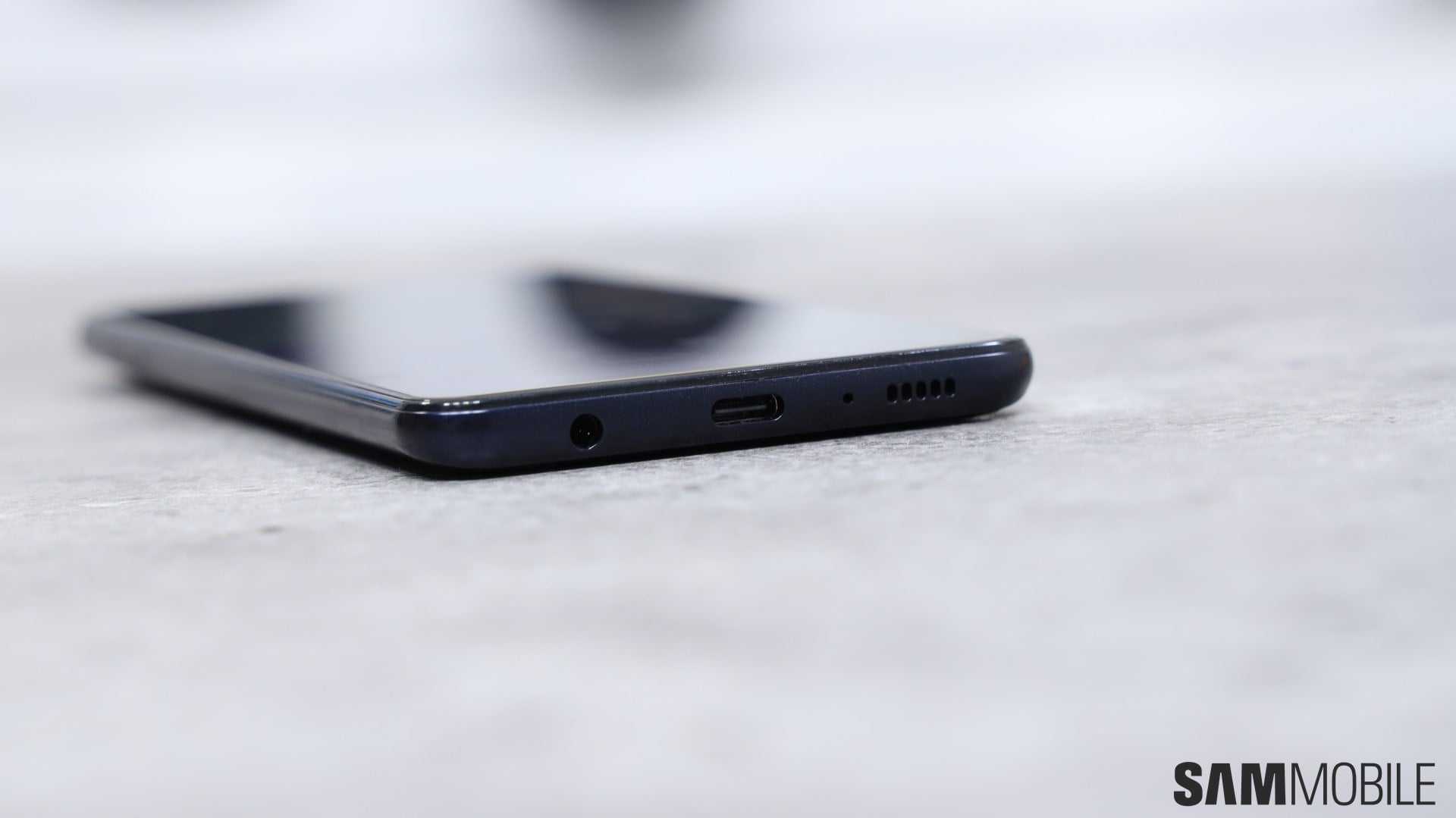
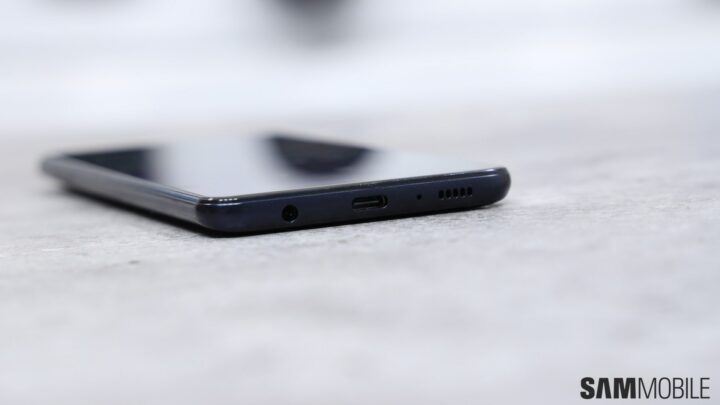
The Galaxy A21s doesn’t come with any earphones in the box, so you’re left with just the phone’s speaker unless you have your own headphones. The speaker is of the usual budget quality, with volume that is only enough for a small quiet room but without any distortion affecting the sound at even maximum volume. There’s Dolby Atmos support, which works over wired and Bluetooth audio and enhances the stereo and surround effect when enabled. Calls went through and came in just fine on the A21s, with no issues with voice quality on either side. Network performance was great as well, with excellent signal strength on both of my SIM cards.

Galaxy A21s battery life
Galaxy A21s review

The Exynos 850, as mentioned earlier, is Samsung’s first low-end chip to be built on the company’s 8nm process, and it’s really, really efficient. The A21s lasted for almost two full days after the first full charge, which was mighty impressive. You will find it near impossible to drain the A21s in a single day even with the most heavy use. The epic battery life is easily this phone’s most attractive feature. The A21s lasts longer than the Galaxy M31 does with a 6,000 mAh battery, no doubt because its 5,000 mAh battery has a more efficient processor and a lower screen resolution helping it along.

The Galaxy A21s supports 15W fast charging, and the battery goes from 0 to 100 in a little over two hours. That’s similar to what we see on other budget Galaxy phones with 5,000 mAh batteries and is more than enough considering how the battery life is so awesome.

Galaxy A21s verdict
Galaxy A21s review

If battery life is a priority for you, then you may be perfectly happy with the Galaxy A21s. However, if you live in a market where Samsung has either the Galaxy M21 or Galaxy M31 on sale, then the A21s is a phone you should completely ignore. Save some money and go for either of the M series phones, or maybe even take a look at the Galaxy A31 (read our review here) if it’s available in your country. All those phones are much, much better for just a little extra money and make the Galaxy A21s seem like an unnecessary phone.

Pros Cons
Outstanding battery life Disappointing performance
Versatile camera setup, main camera excellent in daylight Camera lacks shooting modes like Night and slow-motion
Pretty, unassuming design Boring, low-resolution LCD display
Android 10 and One UI 2.1 (Core) out of the box Low-resolution macro camera
Core version of One UI misses out on many features
Priced too close to better phones like Galaxy M21 and M31 in many markets


The post Samsung Galaxy A21s review: Only worth it for outstanding battery life appeared first on SamMobile.


from SamMobile https://ift.tt/2Dn4gqM
via IFTTT

Boost Mobile now offering Galaxy A21 at $50 off, A11 coming soon

Boost Mobile is expanding its Samsung device lineup with two new budget-friendly smartphones in the form of the Galaxy A21 and Galaxy A11, the carrier announced Tuesday. The Galaxy A21 can already be purchased from the Boost Mobile online store, priced at $199, which is $50 below its MSRP. The Galaxy A11 will become available on similarly favorable terms starting July 21st. More specifically, the former Sprint subsidiary will be offering the $179 handset at a $129 price point.

Both deals are said to be of the time-limited variety, albeit the company has yet to clarify how long either promotional period will last.

Large displays and aggressive pricing

It was only last week that the Galaxy A21 hit U.S. store shelves without much fanfare, whereas its lower-specced counterpart has yet to become available for purchase in the country. Both smartphones were announced as part of an all-encompassing product event Samsung held in May. They’re barely distinguishable in terms of display real estate as the Galaxy A21 features a 6.5-inch (1,600 x 720) screen, whereas the Galaxy A11 uses a 6.4-inch (1,560 x 720) one instead. Performance should be comparable as well, at least when comparing the Galaxy A21 with the 3GB RAM variant of the Galaxy A11.

Boost Mobile has been a pretty reliable prepaid partner to Samsung for many years now. However, it was only last week that the carrier was sold to Dish for $1.4 billion as part of concessions Sprint and T-Mobile negotiated in exchange for their merger getting approval from U.S. antitrust regulators. It’s still too early to tell if the new ownership will be making any radical changes to Boost Mobile’s device strategy, which is unlikely to be high on top of anyone’s priority list anyway due to the minuscule profit margins that non-premium smartphones command.

The post Boost Mobile now offering Galaxy A21 at $50 off, A11 coming soon appeared first on SamMobile.


from SamMobile https://ift.tt/2ZOgMXJ
via IFTTT

Your next Samsung phone may not come with a charger in the box

You can always count on your new smartphone to come with a charger in the box. However, it now seems that we’re moving towards a future where that might not be the case. According to a new report from South Korea, future Samsung phones may not ship with a charger.

Samsung ships hundreds of millions of smartphones every single year. Dropping the charger from even half of its lineup is going to result in major cost reductions for the company. It may also enable the company to price its affordable devices even more aggressively.

Samsung phones may ditch the charger next year

According to the report, Samsung is discussing plans to exclude the charger from the box components for some smartphones. If it decides to go ahead with this, we might see the first Samsung phones to ship without a charger starting next year.

Chargers have been a permanent fixture for as long as we’ve had mobile phones. They’re shipped with the device, even the most affordable of handsets come with one. The world has come a long way, though, from when manufacturers had their proprietary charging slots. You couldn’t use a Nokia charger with a Samsung phone. Android manufacturers all use the standard USB connectors with the Type-C standard now trickling down to even mid-range devices. Now, you can use a Samsung charger with a OnePlus phone.

Chances are that you may have a few unused chargers lying around the house from phones that you no longer use or have since replaced. Charging cables are no longer fixed to the brick so even if the cable is damaged, you can easily swap it out for a new one. Samsung is counting on this ubiquity of chargers, which have been consistently supplied with smartphones for over a decade, to no longer ship them with new devices.

There’s no doubt that Samsung would continue to sell chargers as official accessories even if it makes that decision. As inexpensive as they might be, many customers still don’t prefer using third-party chargers. So Samsung will happily take their money.

Whether or not the benefit of the money saved by excluding chargers is actually passed on to customers through lower phone prices remains to be seen. This could end up being a measure to improve profit margins on smartphones. Excluding accessories to improve margins is something that Samsung already does. Many of its entry-level phones don’t ship with even basic headphones in the box.

You might be surprised to know that it’s not only Samsung that’s considering this. Recent reports suggest that Apple may not include a charger with the iPhone 12 that’s due to launch this year. Look like this will come down to who blinks first. If Apple goes ahead and removes the charger from its new iPhone, we can expect Samsung to make a similar decision next year.

The post Your next Samsung phone may not come with a charger in the box appeared first on SamMobile.


from SamMobile https://ift.tt/2Z7s7TC
via IFTTT

Samsung hits major setbacks on road to first-gen microLED TVs

The first generation of Samsung microLED TVs may still be scheduled to release in the second half of 2020, but things are said to be getting quite tense behind the scenes. Assembly line yield rates remain low, the final products are difficult to repair with any notion of consistency, and millions of components that should have already been procured in spring are nowhere to be found. That’s according to a new report out of Samsung’s home country.

It’s not that the company was expecting smooth sailing from day one, but it turns out that microLED TVs are hardly the easiest target for mass manufacture. And that’s without even starting to account for the coronavirus crisis and its ongoing impacts on the global economy that are hardly working in Samsung’s favor.

As it turns out, making microLED TVs is hard

Much of the technical concerns surrounding the project stem from Samsung’s microLED diode transfer processes. Namely, those still leave something to be desired on the accuracy front, resulting in highly variable factory yields. Realizing that too much of your product output is defective is never a good thing, particularly not when it comes to something as expensive as microLED TVs.

None of the above spells good news for Samsung’s short-term market prospects. Especially since its 2020 TV strategy is bullish to the point of blind optimism. As things stand right now, Samsung will be forced to greenlight additional microLED investments in hopes of addressing at least some of the factors that are currently holding it back.

Samsung has been showing off its microLED TVs over the past year. It introduced the 88 and 150-inch models at the Consumer Electronics Show 2020 back in January. It intends to launch the microLED TVs in the second half of this year as initially planned.

The post Samsung hits major setbacks on road to first-gen microLED TVs appeared first on SamMobile.


from SamMobile https://ift.tt/3iFlks8
via IFTTT

Samsung starts offering 5G virtualized RAN solution to network operators

Samsung has announced that it has started offering its fully-virtualized 5G RAN solution to telecom operators. The company claims that its cloud-based RAN can match the performance and reliability of the usual dedicated RAN hardware that is designed for telecom firms. The South Korean tech giant claims that its new solution will improve the efficiency of the network and ease the deployment processor.

The 5G vRAN consists of a virtualized central unit, a virtualized distributed unit, and a wide range of radio units to enable a telecom firm to migrate to a 5G network. It replaces the dedicated hardware-based baseband with general-purpose computing platforms such as off-the-shelf servers. This helps a telecom firm in efficiently scaling the capacity of its 5G network easily and quickly to match its current needs and network load.

Samsung’s 5G vRAN solution matches the performance of hardware-based RAN and offers higher flexibility

Telecom firms can use COTS (commercial off the shelf) servers based on the x86 architecture, and operators have been using such hardware for years for their other IT needs. Now, they can use similar hardware for their 5G networks rather than buying costlier RAN hardware. Samsung’s vRAN solution offers easy expandability, flexibility, and manageability.

Samsung demonstrated the performance of its vRAN to its customers in April 2020 by running a 5G NR (New Radio) baseband functions in software on x86-based COTS server. The company used its cellular algorithms while testing Dynamic Spectrum Sharing, and the performance matched dedicated hardware-based RAN solutions. The company’s 5G VRAN will be available starting this quarter.

Jaeho Jeon, Executive Vice President and Head of R&D, Networks Business at Samsung Electronics, said, “Samsung’s 5G vRAN validates a software-based alternative to vendor-specific hardware, while offering high performance, flexibility, and stability. Once the solution becomes commercially available this quarter, we look forward to providing carriers with additional architectural options for building innovative and open 5G networks.”

Samsung is among the leading brands that offer end-to-end 5G infrastructure, including chipsets, cloud platform, core network, and radios for both mid-band and mmWave 5G networks. Its solutions are already in use by telecom firms in Canada, Europe, Japan, New Zealand, South Korea, and the US. It has the highest number of granted 5G patents. The company had recently released a cloud-based tool to boost operator profits.

Thanks to the trade ban on Huawei by the US and related security concerns in other markets, Samsung now stands a chance to become the leader in the 5G segment.

The post Samsung starts offering 5G virtualized RAN solution to network operators appeared first on SamMobile.


from SamMobile https://ift.tt/2O1q5ye
via IFTTT

Galaxy Note 20 will considerably improve the S Pen’s pointer functionality

The S Pen is the best stylus that exists in the world of smartphones, and with every new Galaxy Note flagship, Samsung introduces fancy new S Pen features. However, the basic experience of using the S Pen hasn’t changed much in the last couple of years, with Samsung only focusing on somewhat gimmicky functionality with each new Note. But that could be changing this year, as the Korean giant is improving an S Pen function that has been around for many years.

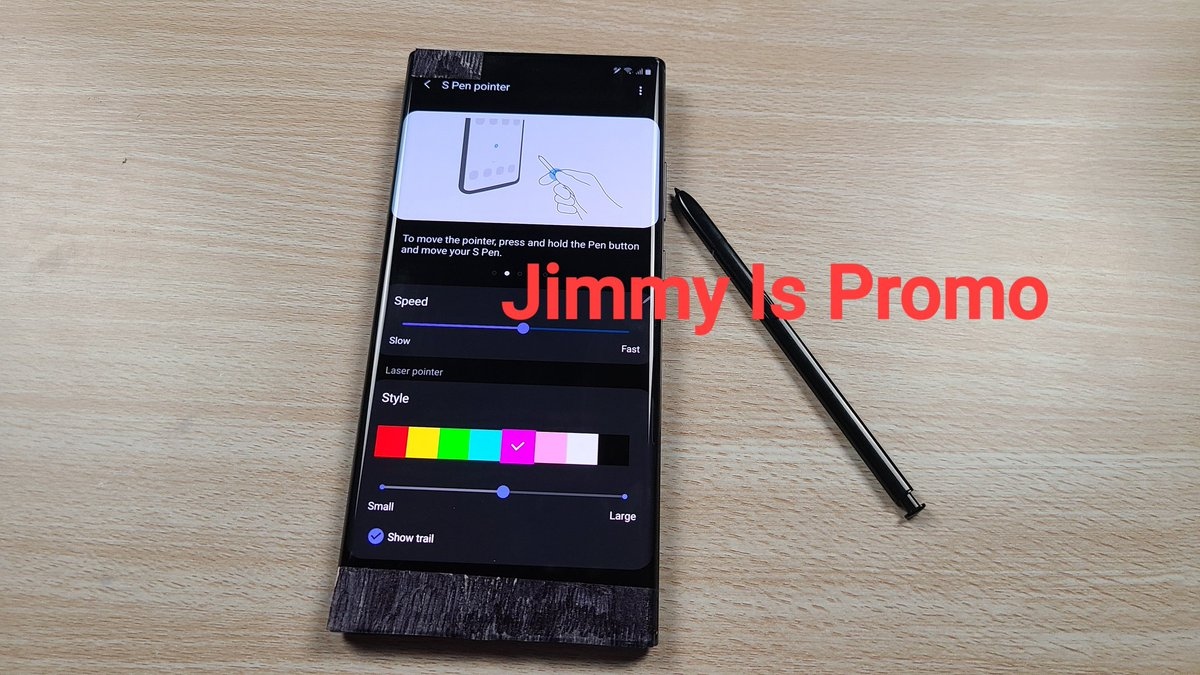
YouTube Jimmy is Promo, who gave us our first real look at the Galaxy Note 20 Ultra earlier this week, has now posted another image of the phone, this time showing the extensive S Pen pointer customization options that will be introduced with the new flagship. The S Pen has always worked as a basic pointer, and hovering it over some features can reveal what an item is or what it does.

Galaxy Note 20 ultra s pen pointer

With the Galaxy Note 20 series, it seems the S Pen pointer will allow users to navigate around the interface (similar to how a computer mouse works) by pressing and holding the S Pen button. One will be able to customize the pointer’s speed. There’s also some customization for when the S Pen is used as a laser pointer for things such as viewing presentations in PowerPoint. You will be able to change the pointer’s color and size and add a trail to the pointer, just like you can add a mouse trail on a Windows PC.

Being able to use the S Pen to navigate around the interface would be extremely useful when using the Note 20/Note 20 Ultra in DeX mode, and it would also be a great hands-free tool in general use. However, we will have to wait and see how exactly it will work and how good the implementation is. Thankfully, we will find out soon enough – Samsung has officially confirmed that the Galaxy Note 20 will be launched at a virtual Unpacked event on August 5, alongside possibly the Galaxy Z Fold 2, Galaxy Z Flip 5G, and the Galaxy S7/S7+.

The post Galaxy Note 20 will considerably improve the S Pen’s pointer functionality appeared first on SamMobile.


from SamMobile https://ift.tt/38Cf4g5
via IFTTT

جميع الحقوق محفوظة لمدونة الغريب 2013