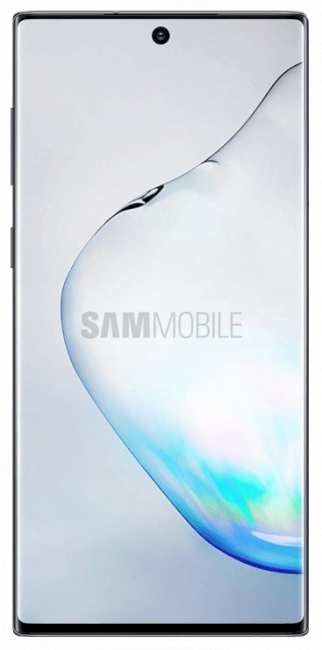
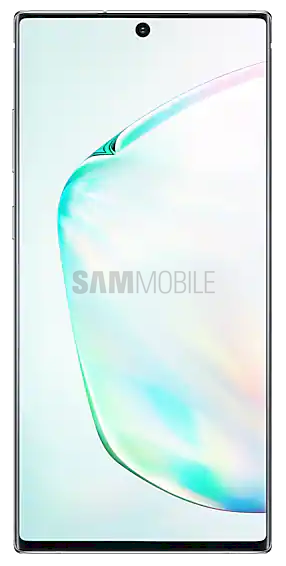
We’re closing in on the end of the year, and indeed, the end of the decade. The past 10 years have been very exciting for Samsung fans, as the company went from making its first Android smartphones to become the largest smartphone vendor in the world. The journey has had many ups, a few downs, and Samsung managed to create and release numerous influential and notable devices along the way.
With 2020 just around the corner, we think it’s the perfect time to take a look back at Samsung’s legacy since the launch of the first Galaxy S smartphone and recall some of the company’s mobile products that have left a mark on customers, on Samsung’s own design philosophy, and indeed, the industry as a whole.
Samsung Galaxy S
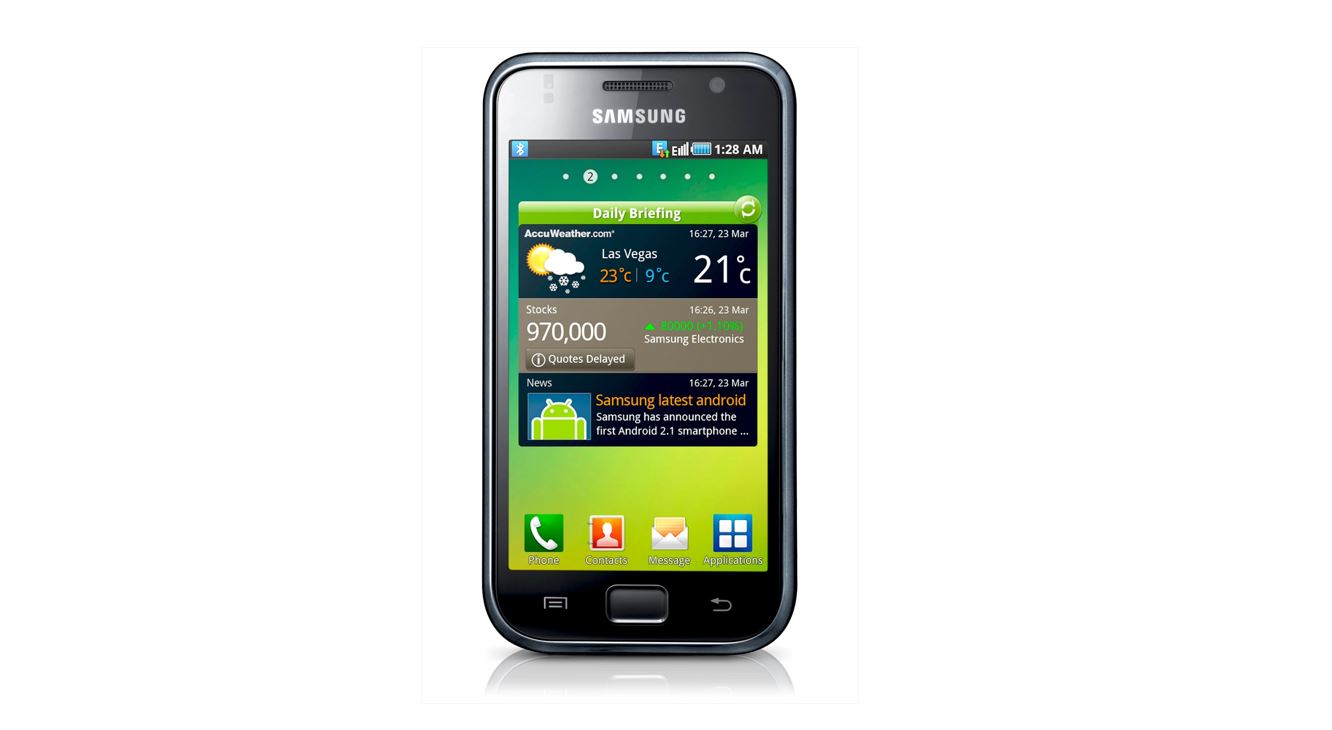
The Galaxy S is where it all began back in mid-2010. While not the first Android-powered smartphone from Samsung, that title rests with 2009’s GT-I7500, it marked the beginning of what would go on to become one of the most successful and popular Android smartphone series.
The Galaxy S wasn’t perfect and users had complaints that performance greatly decreased over time, but it was successful enough to show that Samsung had what it takes to compete with its rivals.
Samsung Galaxy Note
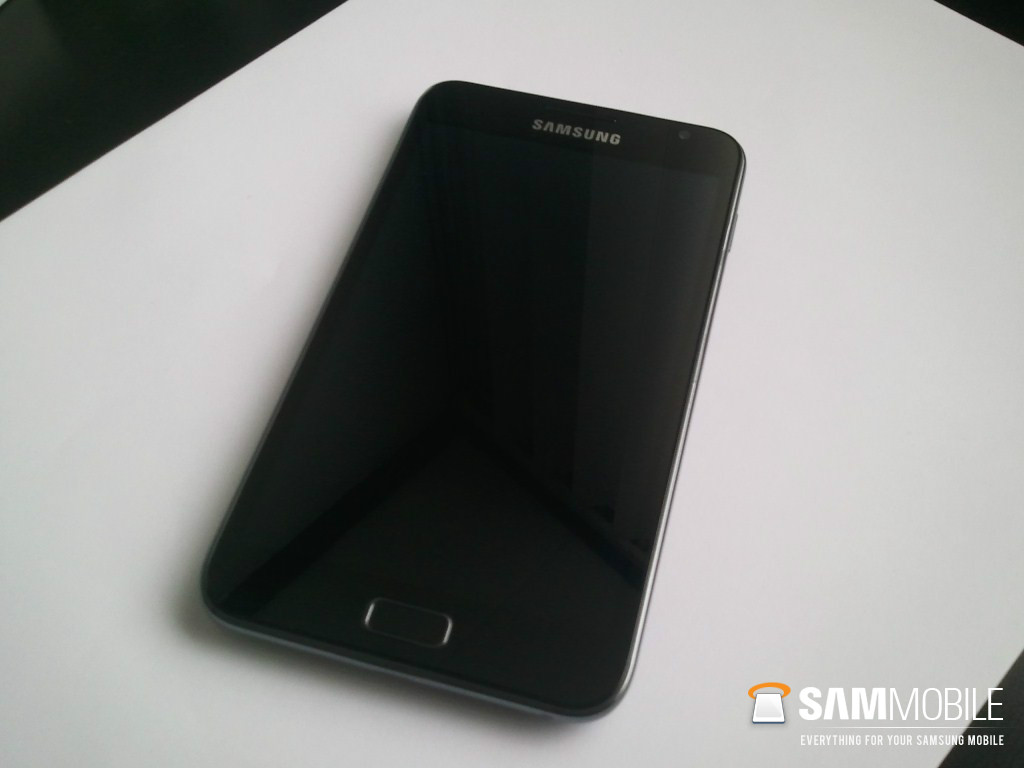
Similarly, the first Galaxy Note launched in October 2011 as the company’s first S Pen-enabled smartphone. Initial opinions were mixed, with many phone enthusiasts claiming that the phone was a bit too ridiculous due to its ‘huge’ 5.3-inch display. Nowadays a 5.3-inch panel is rather small, but back then – especially when bezels were considerably larger – it was unheard of to have such a large phone.
Despite all of this, the Galaxy Note was very successful. It was ahead of its time given its boldness to adopt such a large display. It sparked the beginning of a great series, and to this day, the Galaxy Note lineup doesn’t have a direct competitor. Samsung exhibited great courage in releasing a stylus-equipped phone at a time when the market was ditching physical keyboards and the stylus altogether. It presented a new idea and has continued to refine it over the decade much to its customers’ delight.
Samsung Galaxy S2
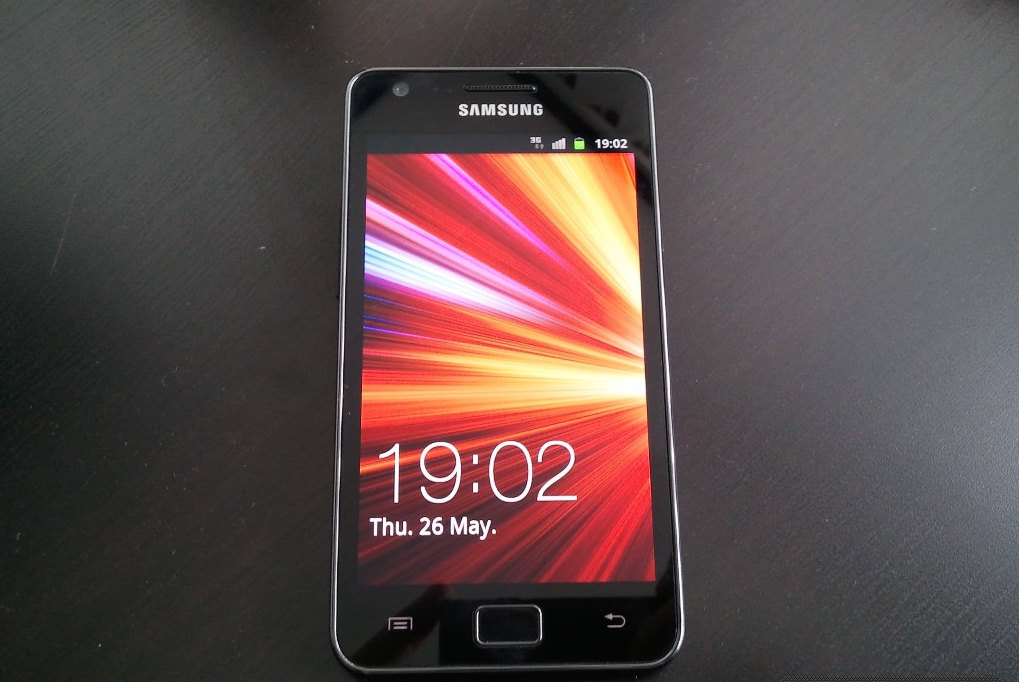
With the original Galaxy handset proving to the world that this series had substance, Samsung improved on the original device with the Galaxy S2. The Galaxy S2 was notable because, at its thinnest point of 8.49mm, it was one of the slimmest smartphones ever released.
Samsung had also begun branding its custom processes as Exynos by that time and the Galaxy S2 was the first smartphone to feature an Exynos-branded processor. The Galaxy S2 was well received, as it improved the formula laid down by its predecessor on every front, from design to internal specifications.
Samsung Galaxy Round
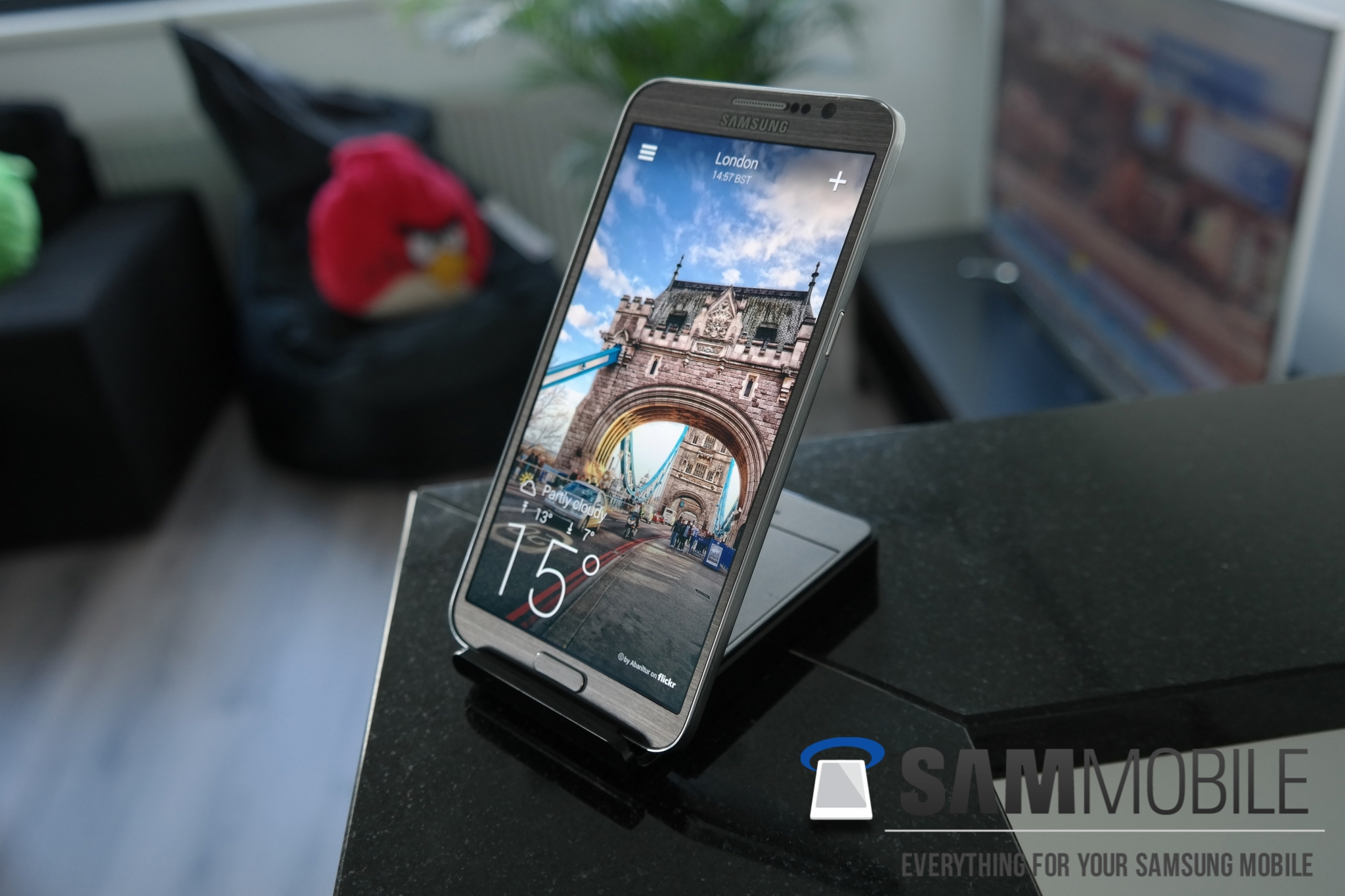
The Galaxy Round was a one-off device that was more of a proof of concept. However, it made our list because of its curved Super Flexible AMOLED display, which was a precursor to the Edge design and foldable screens. Its concave display design wasn’t carried over to newer Galaxy S/Note generations, but the technology itself served as a glimpse of what can be achieved with flexible/foldable displays.
It was sold only in South Korea and it was more of a device meant to highlight Samsung’s advancements in display technology. It did have the world’s first curved flexible display, after all. The Galaxy Round was also released partly because it had to compete with the LG G Flex, which was created by LG for similar reasons: to showcase its display tech. Needless to say, Samsung has won the display race against LG, at least as far as the mobile segment is concerned.
Samsung Galaxy S5
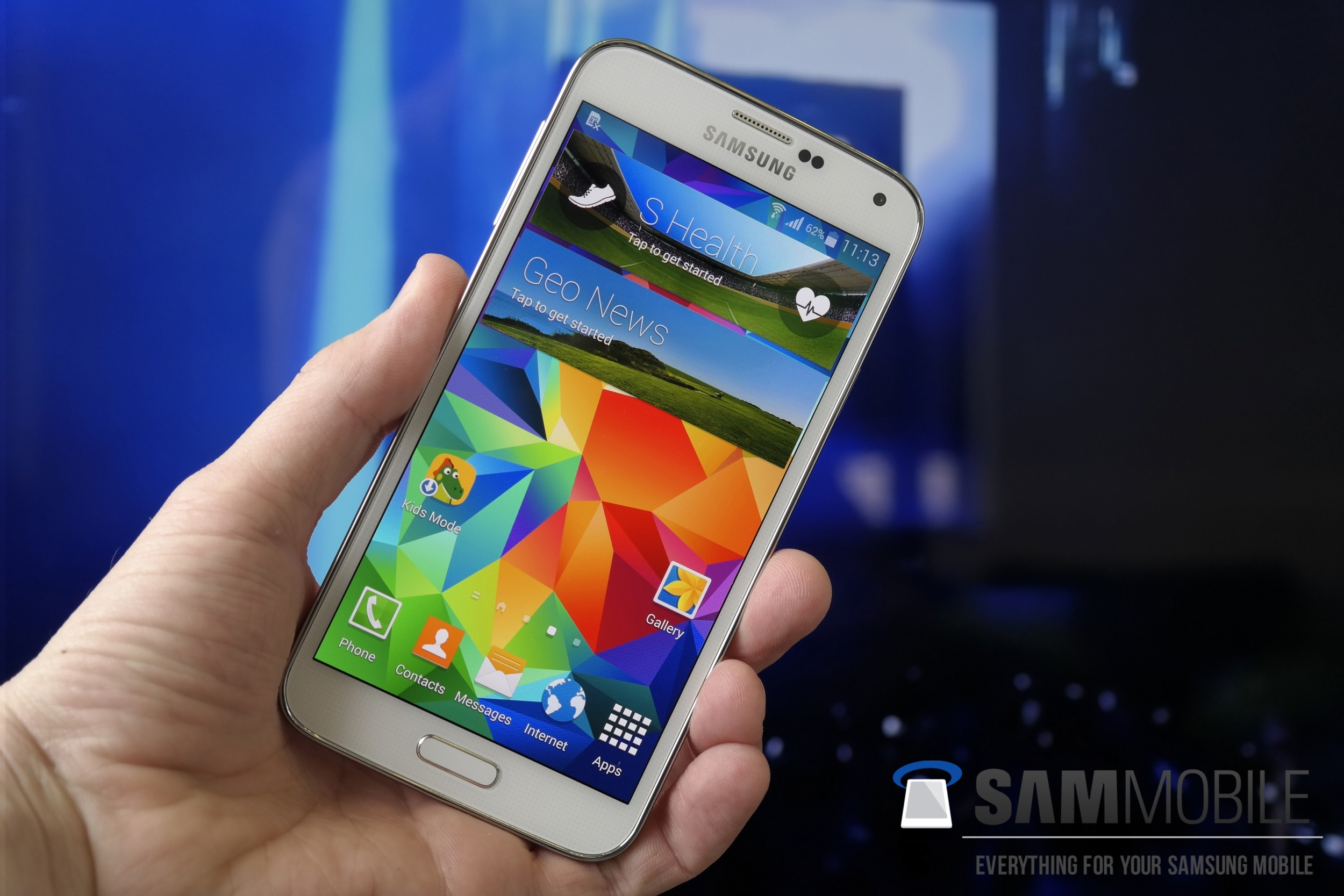
The Galaxy S5 introduced a rather polarizing design in 2014. It had a dimpled back panel which fueled a few memes comparing it with a bandaid, but technically speaking it had a lot to offer. It was the first Galaxy S (non-Active) device to feature dust and water resistance, a fingerprint scanner, and a heart rate sensor. These became core features for years to come.
Despite these advancements, however, the Galaxy S5 had somewhat of a bad reputation. Sales were very strong in the first month of availability, but overall sales were weak and the phone contributed to Samsung recording its lowest profits in over two years. Sales figures and yearly revenues aside, the Galaxy S5 still was a great feature-full device.
Samsung Galaxy Note Edge
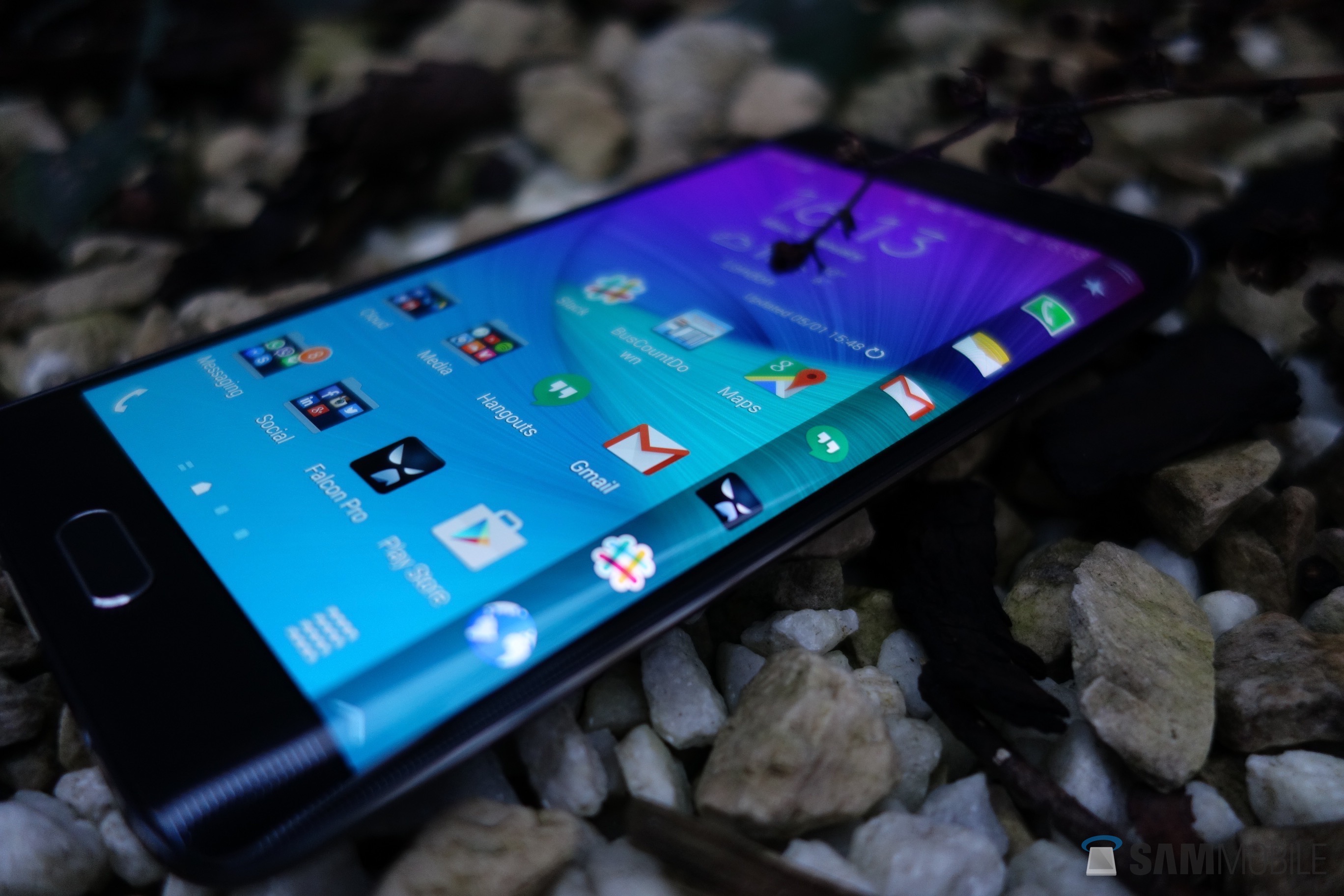
The Galaxy Note Edge was introduced along with the Galaxy Note 4 in 2014. It makes our list for one obvious reason, and that this the introduction of the Edge display which has become an iconic design element for Samsung’s modern flagships. Even though it was widely released, the Galaxy Note Edge was described by Samsung itself as a “limited edition concept device.”
Interestingly enough, the Galaxy Note 5 which launched a year later did not have an edge display. However, the Galaxy S6 edge adopted this technology as it came with a dual-edge curved display, that just means the display was curved on both sides instead of just one like the Galaxy Note Edge. Countless other Galaxy devices across different price points have featured an edge display design since.
Samsung Galaxy S6 series
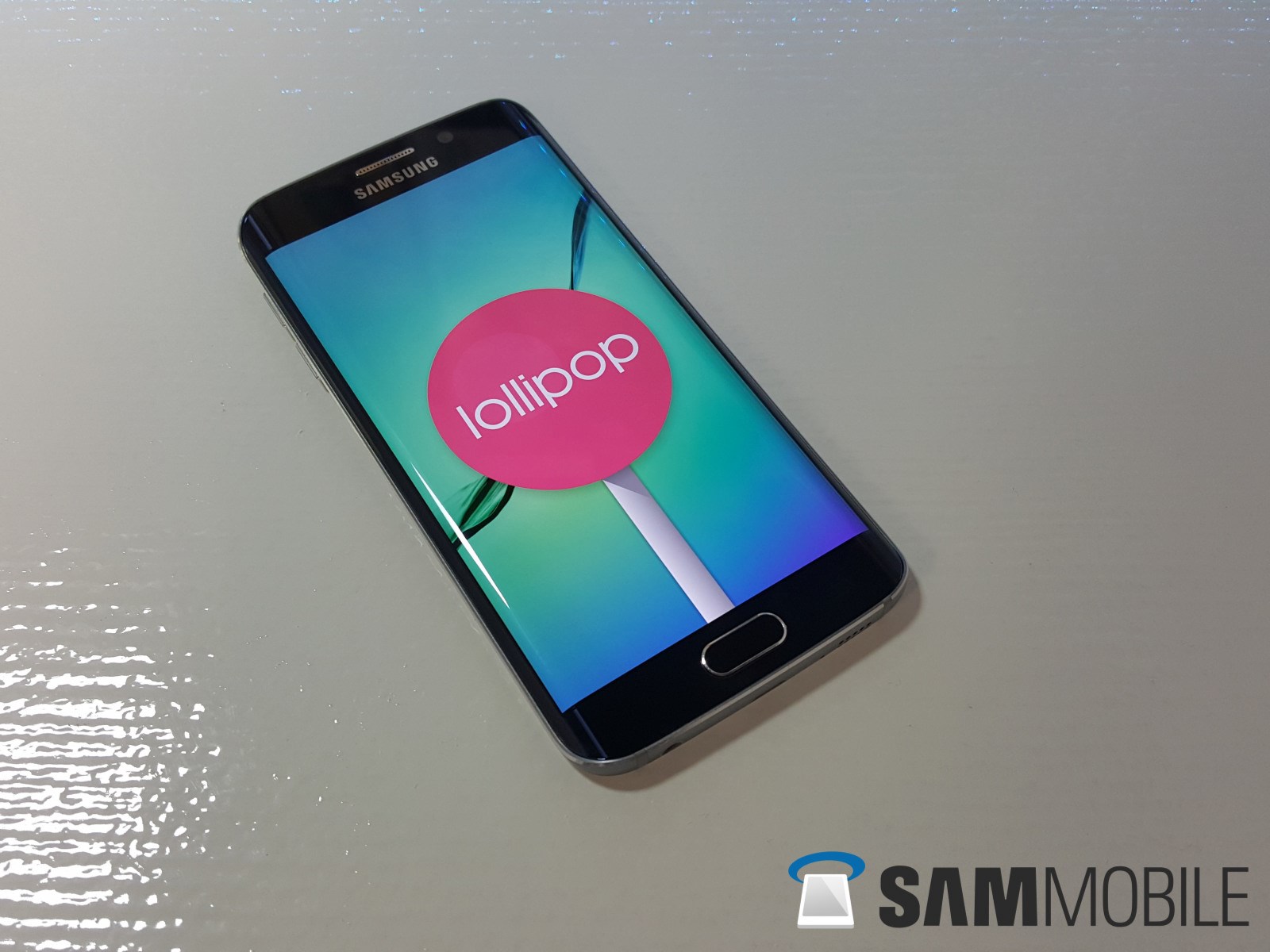
Many existing design cues employed by Samsung’s smartphones hark back to the Galaxy S6 series which was introduced in the first half of 2015. Two variants were launched at the same time, the Galaxy S6 and Galaxy S6 edge, with flat and curved displays respectively.
The Galaxy S6 and S6 edge were the first to adopt the premium metal and glass build we’re familiar with, and for better or worse, they were Samsung’s first devices to have a sealed, non-user-removable battery. This change was criticized by some fans, but it did lead to advancements in design and wireless charging technology. The series didn’t feature a microSD card slot as well. Win some, lose some.
Samsung Galaxy S8 series
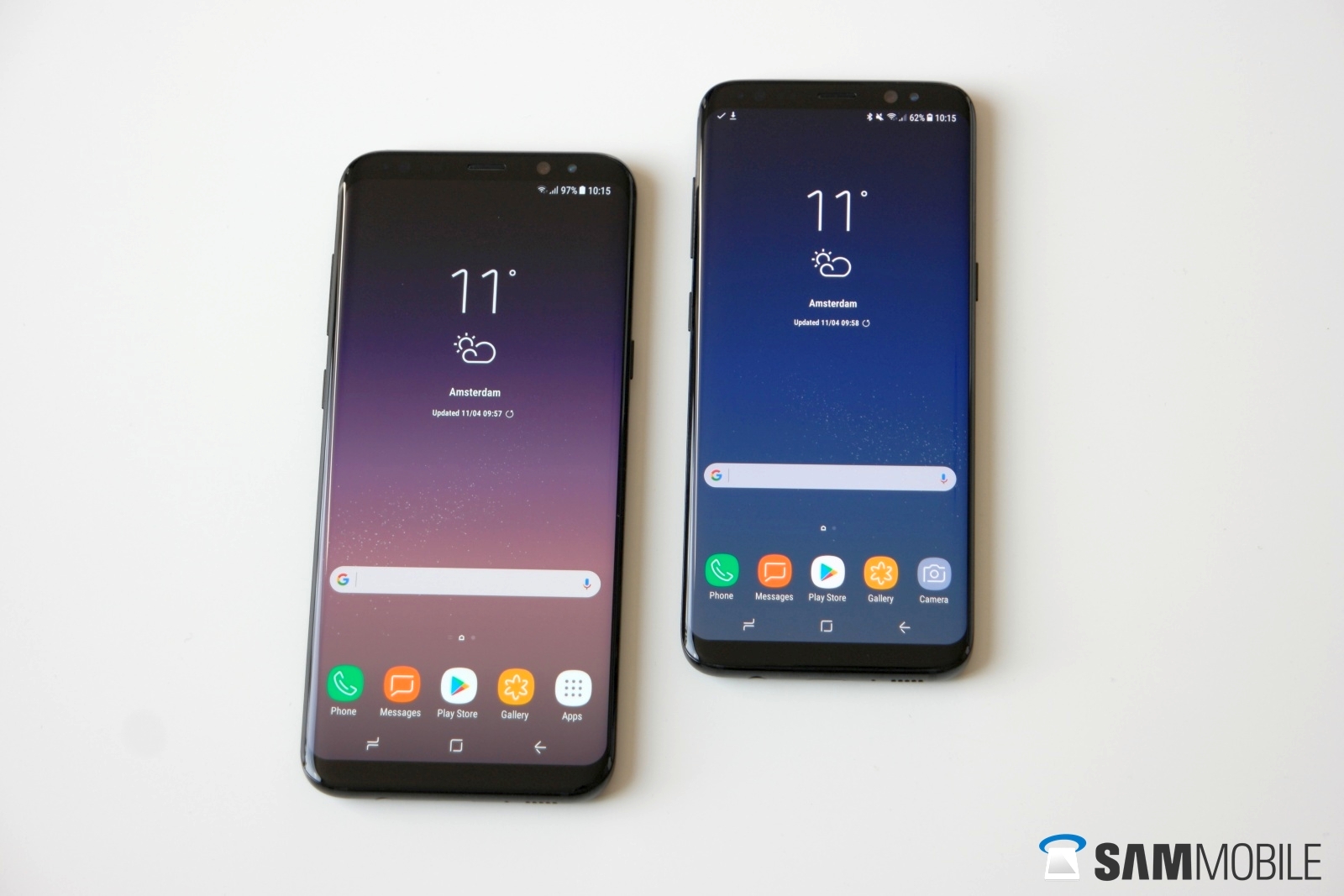
All of Samsung’s smartphones preceding the Galaxy S8 had a front-facing physical Home button which doubled as a fingerprint scanner in some cases. The Galaxy S8 series was unveiled in 2017 and changed this forever, as it was the first model to flaunt the Infinity design which had a bigger focus on minimizing bezels by ditching the home button and moving the fingerprint sensor to the back.
It was a notable series because it introduced a new design language for Samsung’s smartphones, one that eventually filtered down to non-flagship models as well.
Samsung Galaxy Note 8
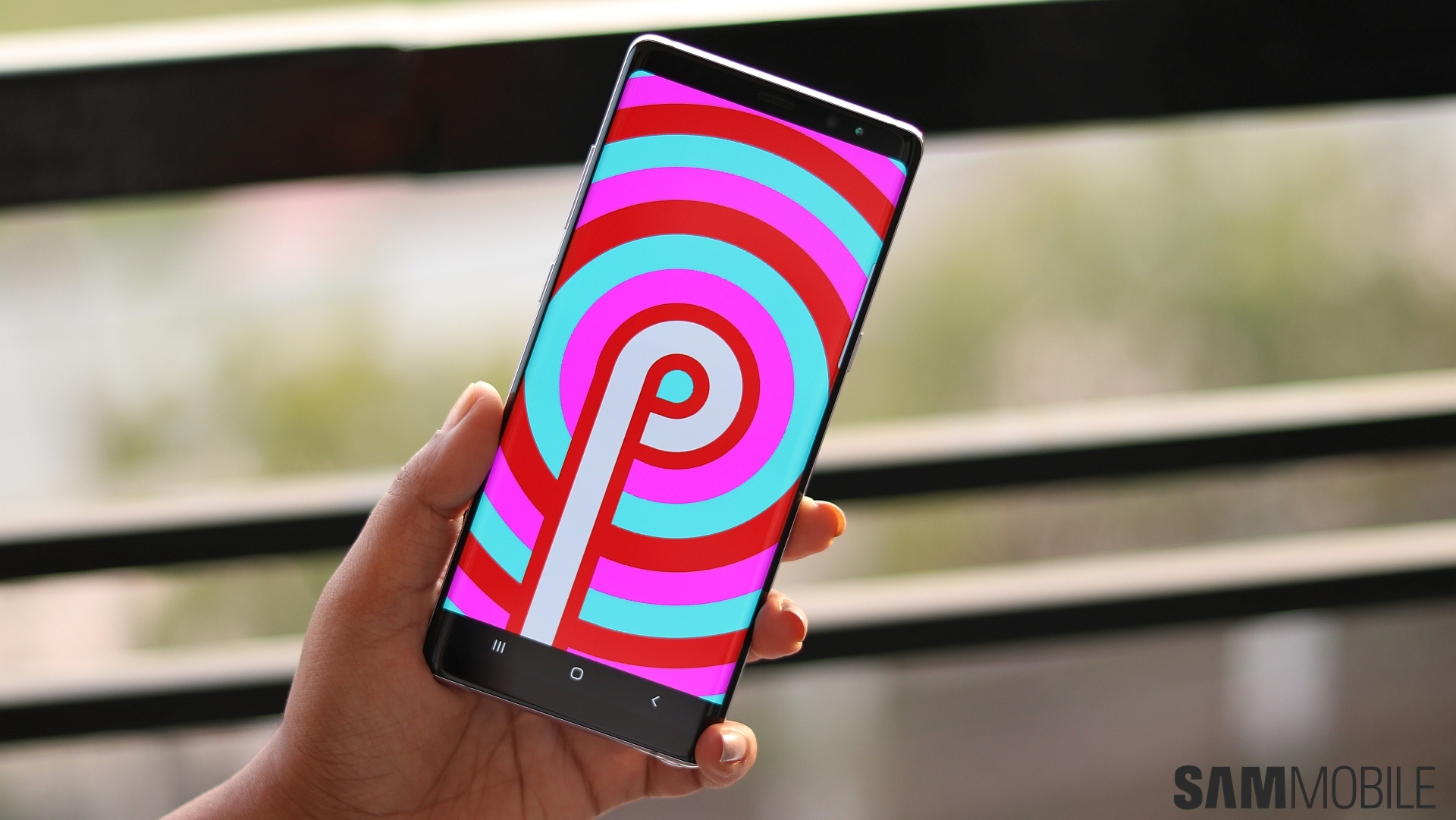
Launched in 2017 – a year after the disastrous release of the Galaxy Note 7 – the Galaxy Note 8 redeemed the series by becoming Samsung’s first flagship to adopt more than one rear-facing camera. It did ditch the IR blaster, though, which is something that not many fans were thrilled about.
It was also the first Note model to follow the Infinity design language, and as a result, it also became the first Note model to exceed the 6-inch display size with a 6.3-inch panel. When many had written off the Galaxy Note series after the recall, Samsung came back stronger than ever with the Galaxy Note 8 and laid to rest any doubts that people may have had about the Note’s future.
Samsung Galaxy Note 9
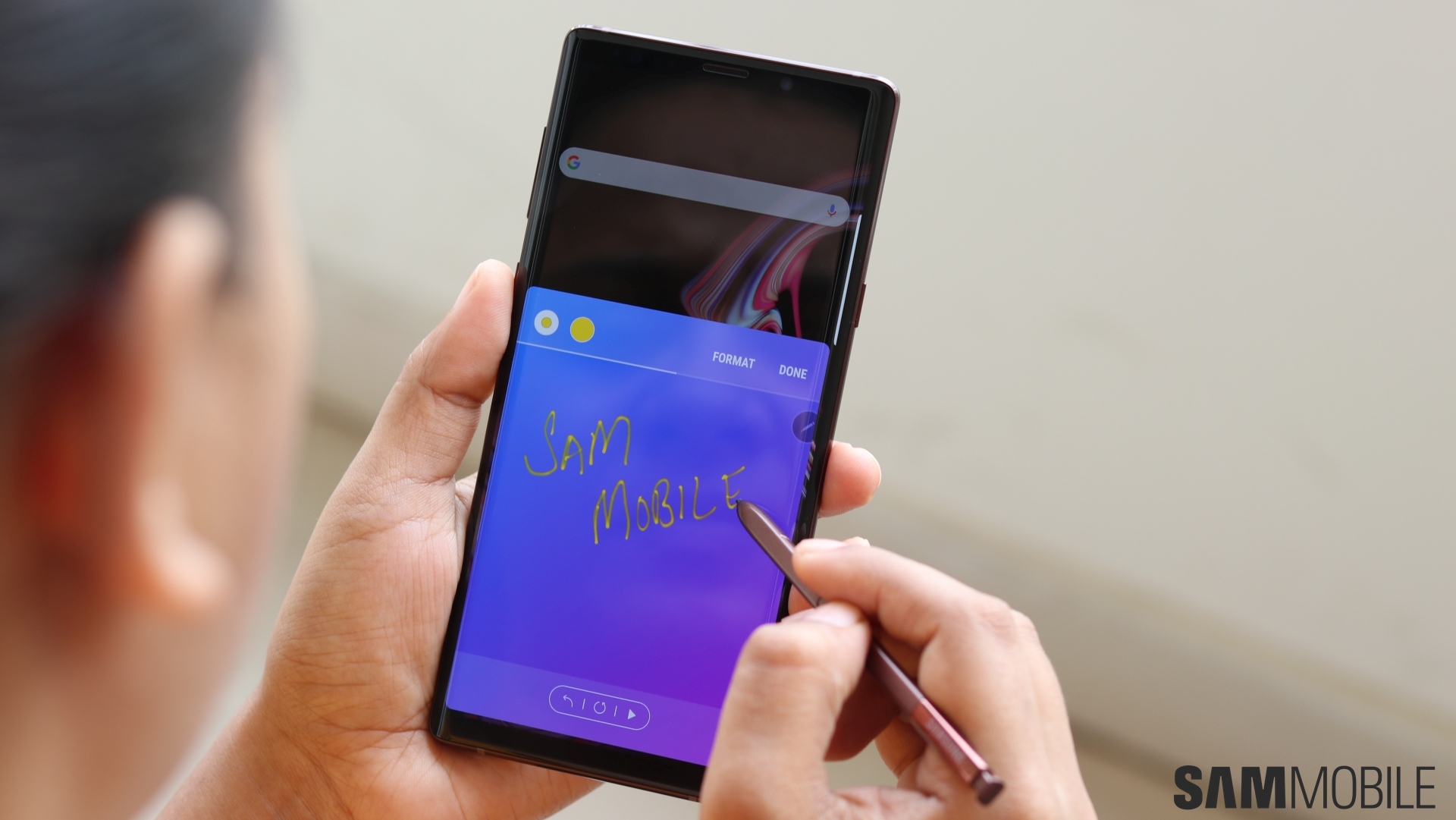
The Galaxy Note 9 unveiled last year is a fantastic flagship. It’s packed with technologies including an iris scanner and fingerprint sensor, and it sports both a USB Type-C and 3.5mm headphone jack. It is quite the complete package. It was also the first model to feature a Bluetooth-enabled S Pen, opening up new possibilities and features for the stylus.
Samsung Galaxy S10 series
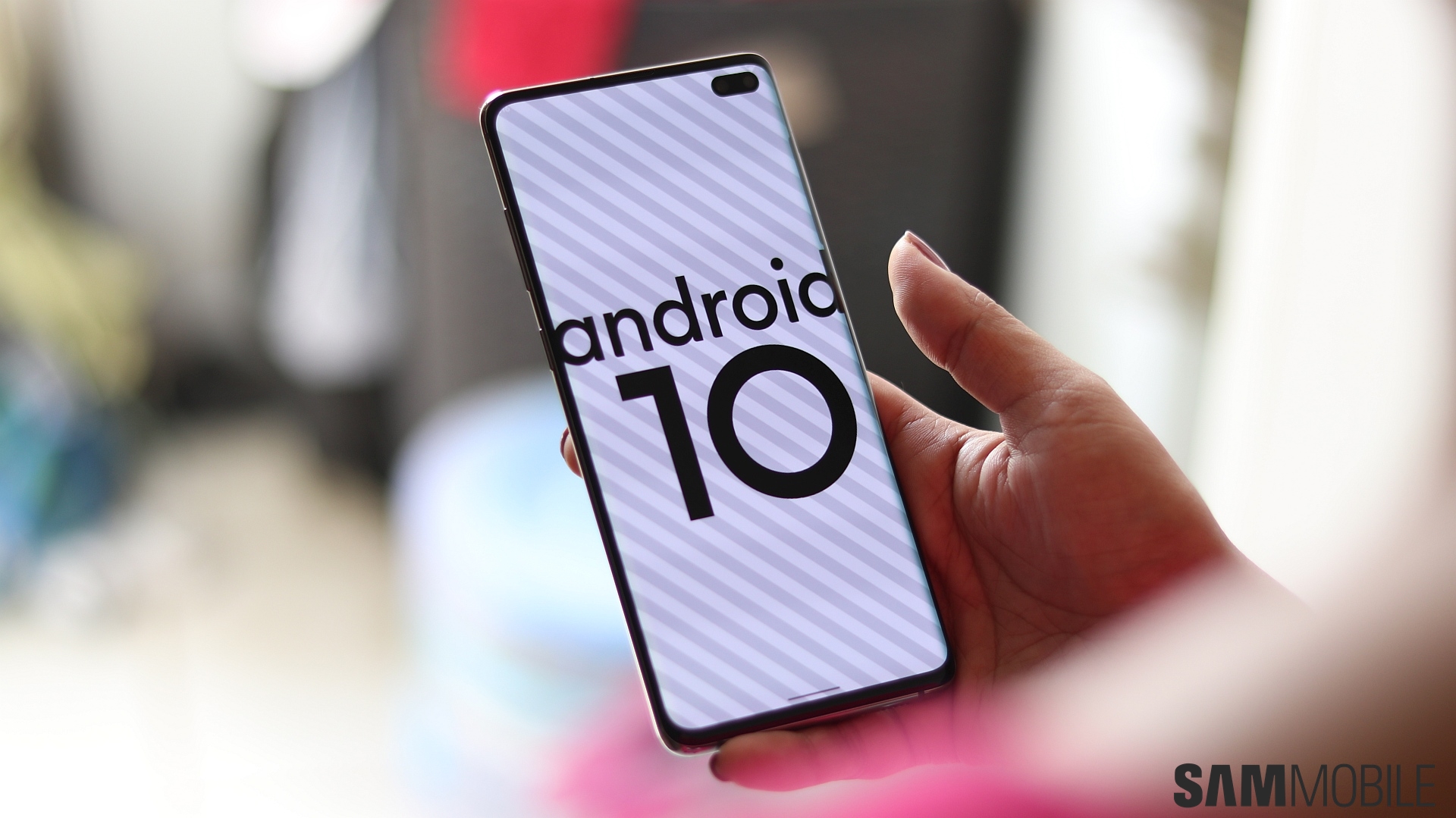
The Galaxy S10 series was released earlier this year and marks a couple of interesting changes. The Galaxy S10 and Galaxy S10+ are the company’s first smartphones to adopt an in-display ultrasonic fingerprint scanner. The series also expanded to include three models with the introduction of the S10e variant, the first variant in the Galaxy S series to feature a flat display in a few years.
5G was another milestone achieved by the series, or rather the fourth variant in the series, i.e., the Galaxy S10+ 5G. It didn’t make an official appearance next to the original trio and was released a few months after the 4G models. Wireless PowerShare, Samsung’s reverse wireless charging feature, also made its debut with the Galaxy S10 series.
Samsung Galaxy Note 10 series
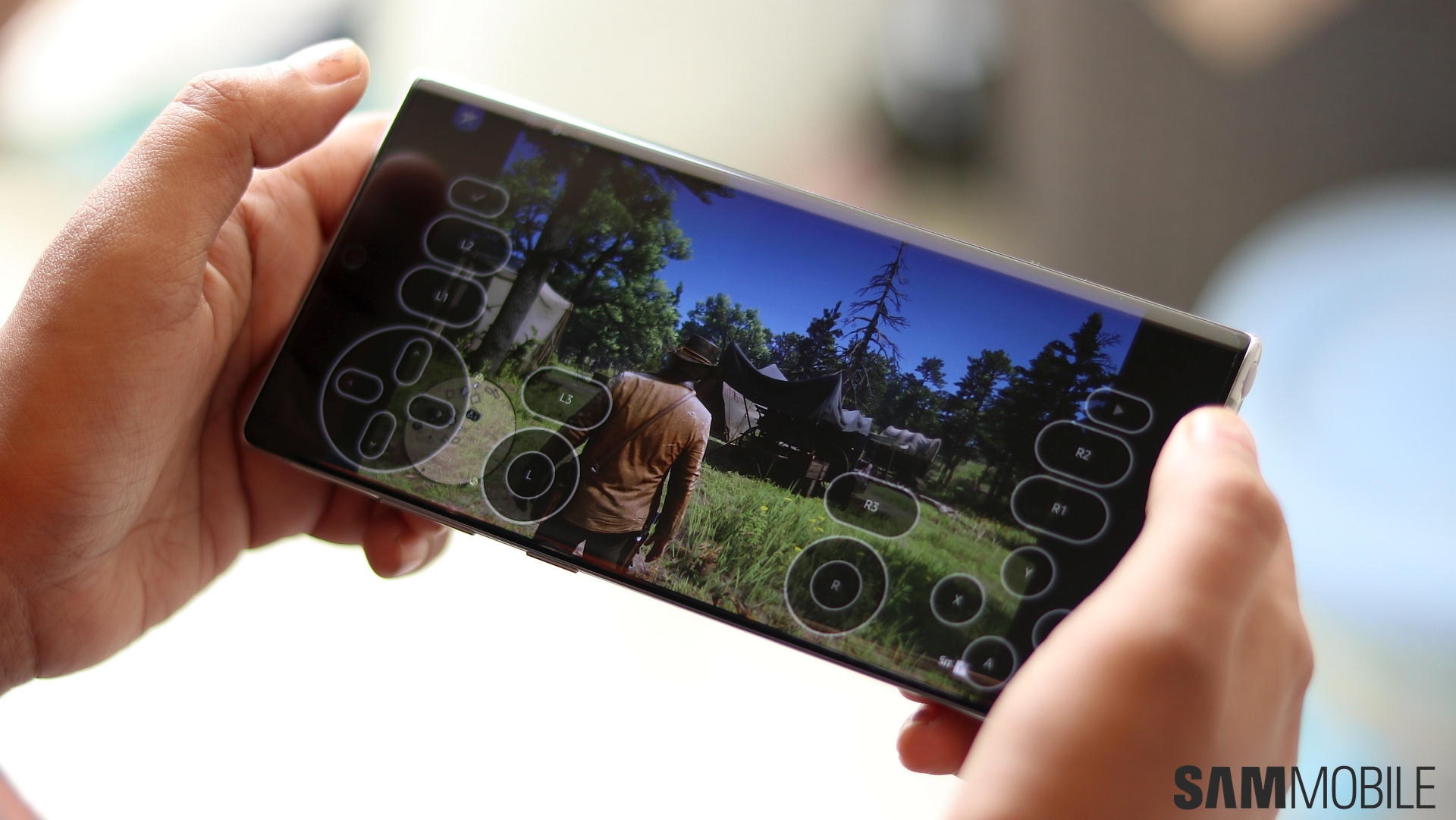
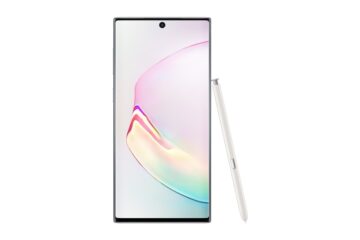
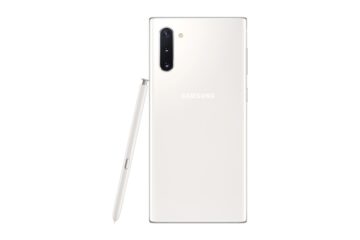
The pinnacle of the Galaxy Note series as of this writing, the Note 10 marks the introduction of a new design language that forgoes the centered rear camera placement. The centered punch hole for the front camera is a much better implementation of the Infinity-O display. It’s the first generation of Notes to fully embrace the two-flagship-variants strategy, and it launched with a brand new S Pen featuring an internal gyroscope. This allows for gesture control within apps using the S Pen.
Samsung Galaxy Fold
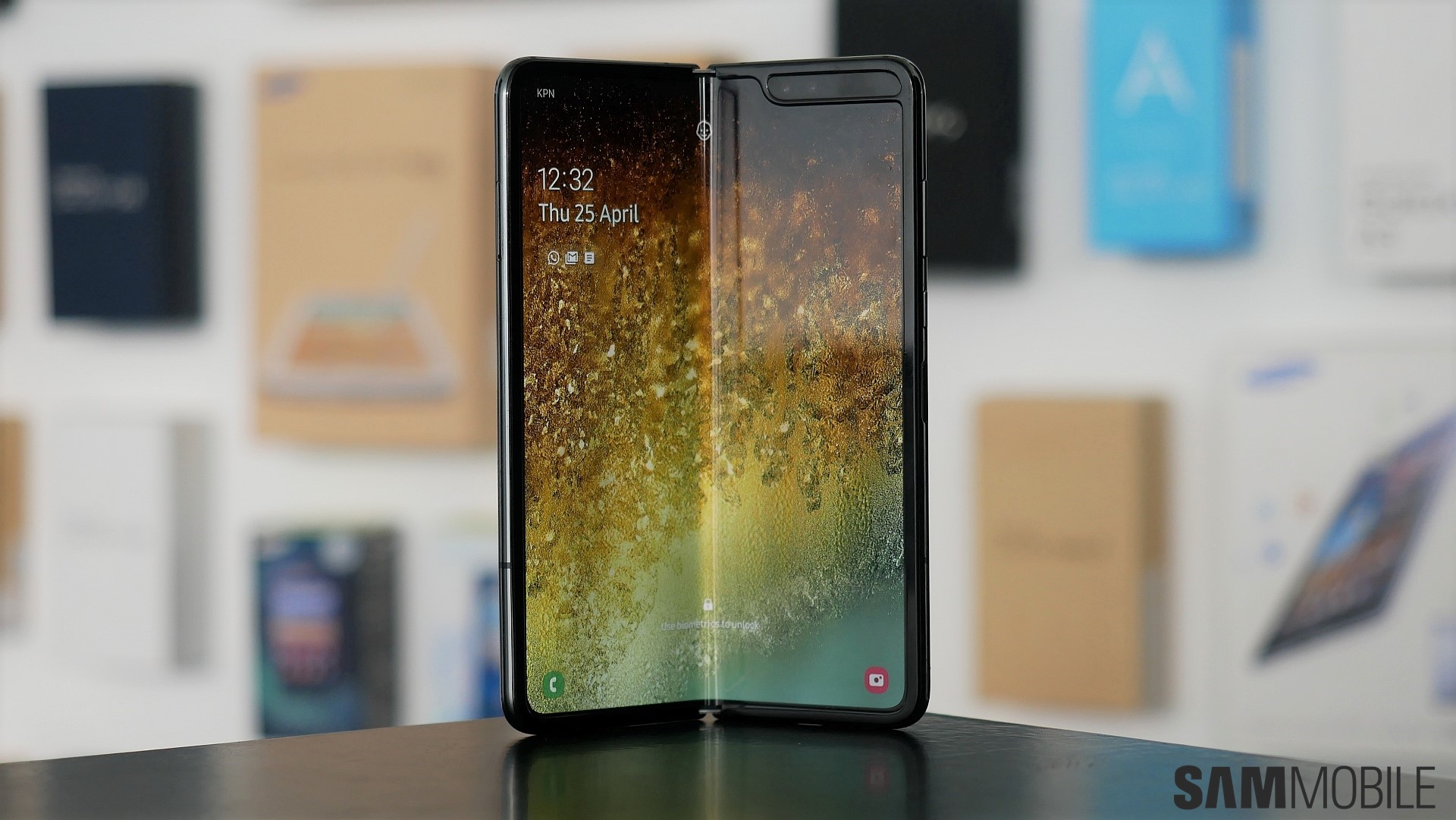
Although the Galaxy Fold has yet to prove its influence on the smartphone market as a whole, it sure represents Samsung’s highest ambitions when it comes to designing smartphones. It’s a completely new take on the concept of a smartphone/tablet, and it’s fueled by cutting edge technologies inside and out.
The Galaxy Fold already is an important part of history and Samsung’s legacy, and it probably will represent the starting point of a whole new generation of foldable devices. It’s also the most expensive consumer-grade smartphone/tablet developed by Samsung, by far.
Samsung Galaxy Gear
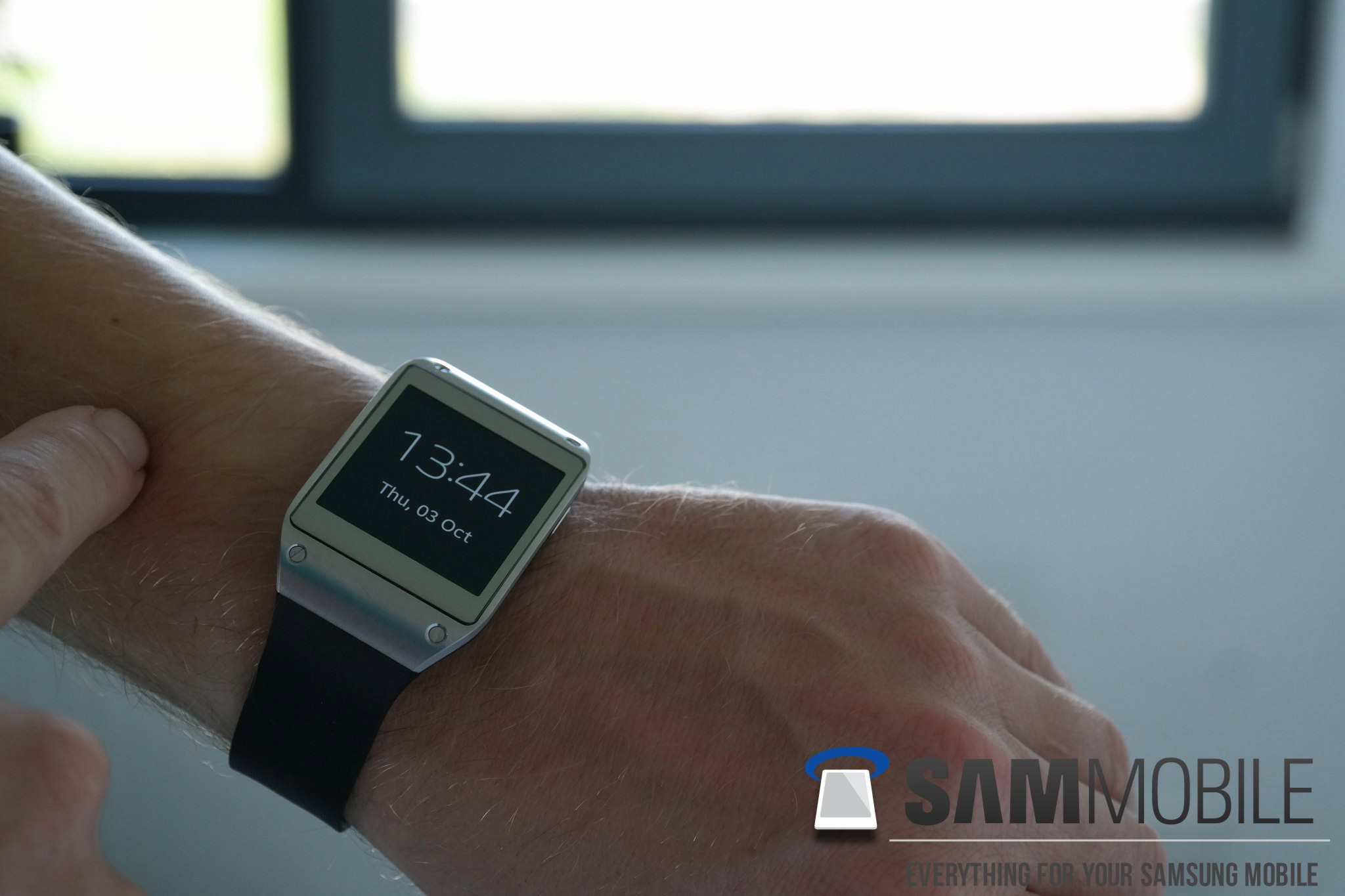
The Galaxy Gear was released in the second half of 2013 as the company’s first smartwatch. It was powered by Android OS but, interestingly enough, Samsung ditched the platform roughly six months later through a firmware update that replaced Android with its own Tizen OS. Every other Samsung smartwatch that followed has been running Tizen.
The Galaxy Gear had a robust build and a square 1.63-inch display. It was powered by an in-house Exynos chipset and even had a 1.9MP camera embedded in the wrist strap.
Samsung Gear S2
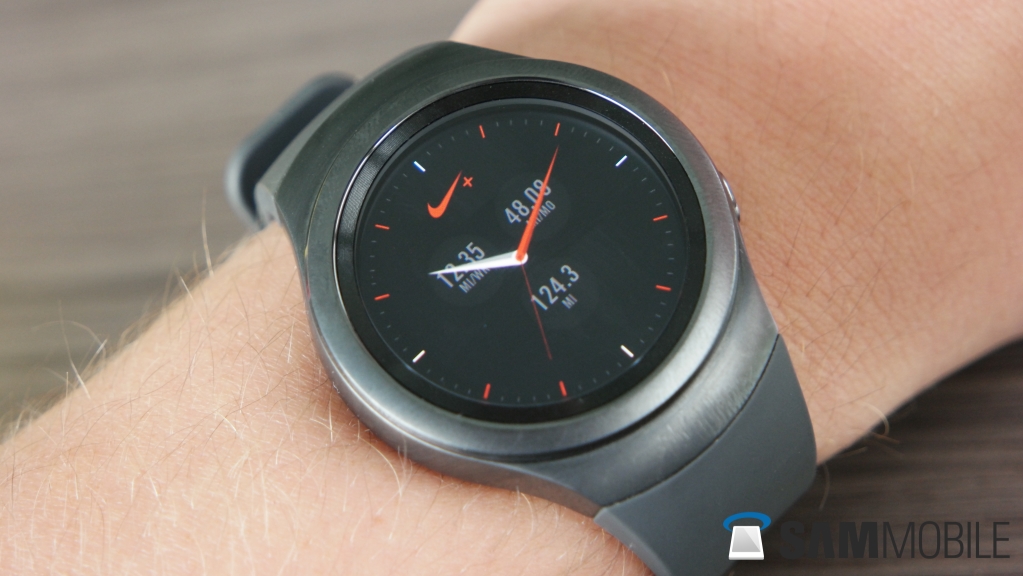
The Gear S2 series marks the introduction of the circular smartwatch display for Samsung’s lineup. The series consisted of the Gear S2 and Gear S2 Classic, both of which were launched in H2 2015.
The Gear S2 lineup was powered by a more refined and energy-efficient Exynos chipset, but the star of the show was the circular display which became a staple of Samsung’s smartwatch design. It also introduced a rotating bezel to Samsung’s smartwatch line which set it apart from the competition. Samsung ditched the rotating bezel with the Galaxy Watch Active but brought back a digital implementation of the feature with the Galaxy Watch Active 2.
Gear VR
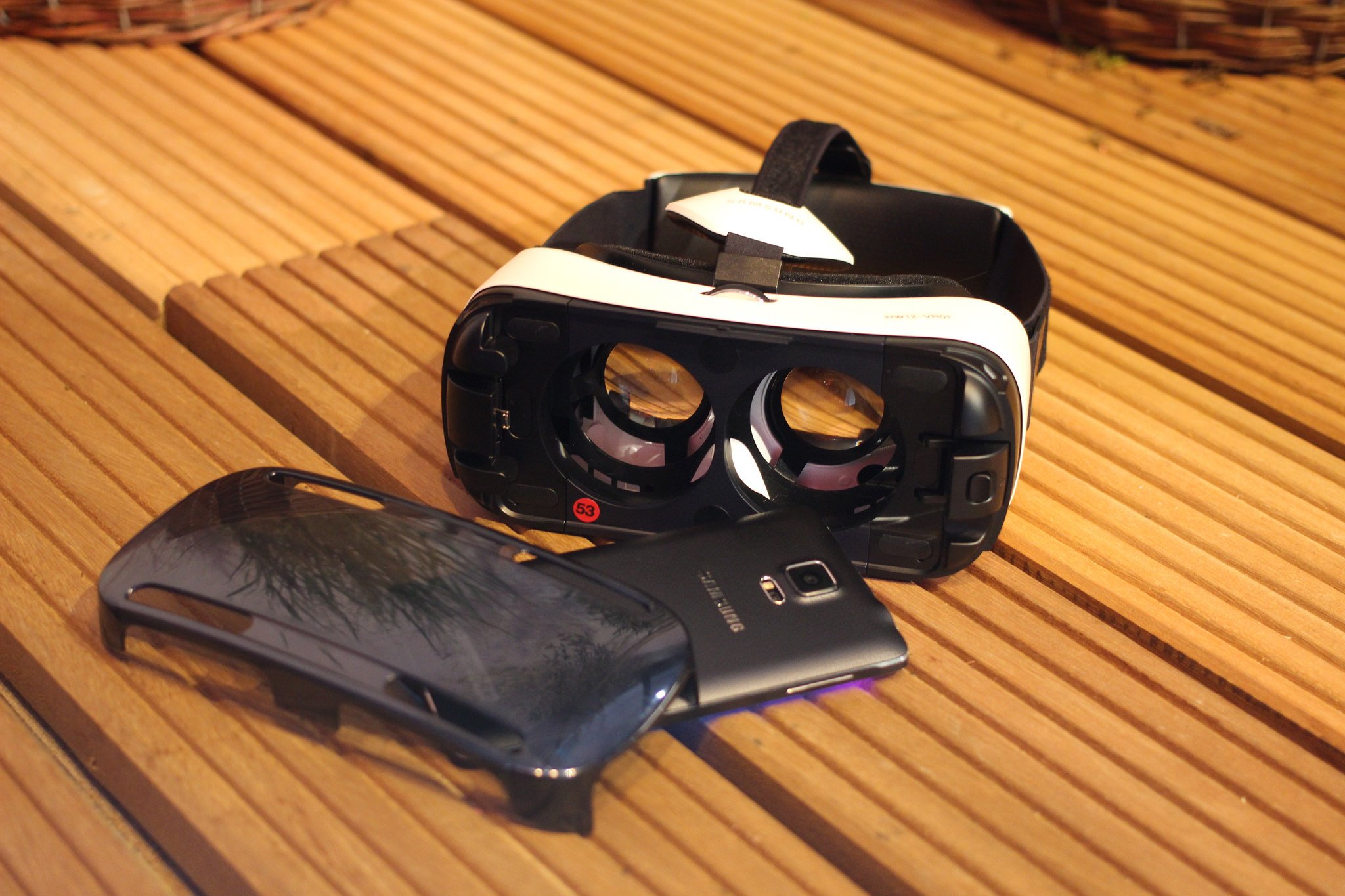
Samsung’s virtual reality headset, the Gear VR, created a lot of buzz when it was first unveiled in September 2014. Samsung launched the headset in December that year and the first version was only compatible with the Galaxy Note 4. There was a lot of excitement surrounding VR at that time, largely due to PC-based solutions like the Oculus Rift. Samsung partnered with Oculus on the Gear VR which handled the software side of things.
This was a notable product as it allowed an untethered VR experience. Just slide the phone in the headset and you’re good to go. The Gear VR allowed Samsung to quickly obtain in the lead in the mobile VR segment. Samsung did release multiple iterations of the headset in the following years. 2017’s Gear VR with Controller was the last model to be released. Samsung ultimately moved away from it to the point that the Galaxy Note 10 series doesn’t even work with the headset.
One UI
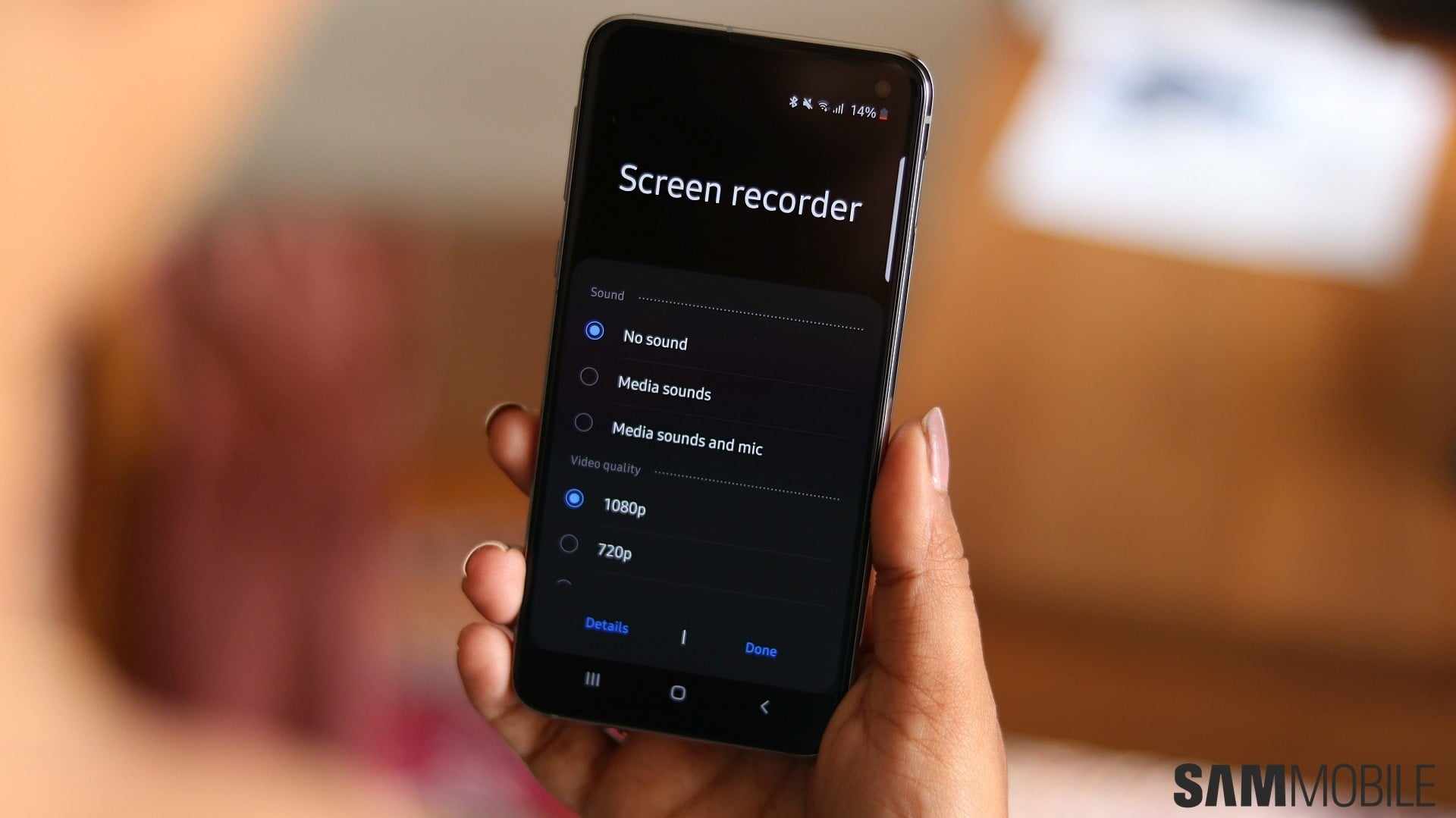
Speaking of custom software, One UI must be acknowledged for putting an end to Samsung’s rather convoluted TouchWiz UX. The company’s earlier efforts to create a custom UI for Android OS were met with mixed feelings by smartphone enthusiasts. TouchWiz felt slow and bloated, and although subsequent updates have improved the experience, it still had its problems and it remained disliked by many people.
One UI was unveiled and released last year as Samsung’s new custom UI for Android OS. It was redesigned from the ground up to offer a more streamlined experience fit for modern smartphones and tablets. It achieved this with flying colors and we couldn’t be happier that it exists. Samsung further refined the user experience with One UI 2.0 which was released with the Android 10 update.
Honorable mentions: Nexus S, Galaxy Nexus, Nexus 10
The Nexus S, Galaxy Nexus, and Nexus 10 weren’t exactly a part of Samsung’s product lineup. These devices were manufactured by Samsung for Google to release under the Nexus brand, but they still played an important role in mobile history. They were considered to be great devices by many smartphone enthusiasts, partly because of their competitive prices, and partly because they really were good products.
The Nexus S, Galaxy Nexus, and Nexus 10 were introduced in 2010, 2011, and 2012, respectively. They were quite successful and they offered Samsung fans a way to experience the company’s hardware alongside an unaltered version of Android OS.
It surely has been an exciting decade for Samsung and fans of the brand, and we’re looking forward to another 10 years of innovation and interesting products. It’s difficult to tell how the next decade will pan out for Samsung, but foldable display technology could play a big role in how the company will continue to grow.
As for the list above, it probably could have contained a lot more other Samsung devices, but we feel like these are the ones that were the most notable or interesting for one reason or another. However, we’d love to know which mobile products made by Samsung over the last decade were your favorite and why, so join us in the comment section below and share your thoughts.
The post A look back at Samsung’s most notable mobile products of the decade appeared first on SamMobile.
from SamMobile https://ift.tt/2rcS5Hg
via
IFTTT