الأربعاء، 12 مايو 2021

Galaxy A32 5G is now available via Google Fi in the US

The Galaxy A32 5G is now available in the US via the Google Fi network. The MVNO (Mobile Virtual Network Operator), which uses networks operated by T-Mobile and US Cellular, has been pushing 5G adoption. The Galaxy A32 5G is Samsung’s cheapest 5G smartphone in the US, and it was launched last month.

You can buy the Galaxy A32 5G via Google Fi either by paying $279.99 upfront or by subscribing to a 24-month plan that costs $11.67 per month. Even though Samsung offers the smartphone in four colors (Awesome Black, Awesome Blue, Awesome Violet, and Awesome White), the Galaxy A32 5G is available via Google Fi in just one color: Awesome Black.

The Galaxy A32 5G features a 6.5-inch LCD Infinity-V display with HD+ resolution and a 90Hz refresh rate. It has a 13MP selfie camera and a 48MP quad-camera setup at the rear. It can record 4K 30fps videos using the rear camera and 1080p 30fps videos via its front camera. The Galaxy A32 5G also has a side-mounted fingerprint reader. The phone runs Android 11 out of the box with One UI 3.

It comes equipped with the MediaTek Dimensity 720 5G processor, 4GB RAM, 128GB internal storage, and a microSD card slot. It has 5G (SA, NSA, sub-6GHz), GPS, dual-band Wi-Fi 5, Bluetooth 5.0, NFC, USB Type-C port, and a 3.5mm headphone jack. It is powered by a 5,000mAh battery that supports up to 15W fast charging.

The post Galaxy A32 5G is now available via Google Fi in the US appeared first on SamMobile.


from SamMobile https://ift.tt/3hozNdY
via IFTTT

Samsung is contributing to Google’s Fuchsia OS; devices coming in the future?

Google has been working on a new open-source operating system called Fuchsia OS since 2016. It is not based on Android. Rather, it’s a completely new operating system that’s being built from the ground up. It can run on all kinds of devices, including smartphones, tablets, computers, IoT devices, and wearables. While Google hasn’t revealed its features or when it plans to launch the new OS, Samsung appears to have started contributing to its development.

The new operating system wasn’t open to third-party brands and developers until December 2020. It has now been found that Samsung has contributed new code commits related to F2FS (Flash-Friendly File System). It is an alternative system built by Samsung for managing files on a storage device (eMMC and SSD). F2FS has replaced EXT4 as the preferred file management system over the past few years. The Galaxy Note 10 was Samsung’s first Android smartphone with the F2FS file system.

While Fuchsia OS might have a completely new system of managing files on a storage device, F2FS could’ve been added to its codebase so that devices could read data from other devices. The official ‘AUTHORS‘ file of Fuchsia OS mentions Samsung Inc. side by side with Google LLC, which means that the South Korean brand is contributing to the new OS in its official capacity. Four ‘major releases‘ have been planned around F2FS for Fuchsia OS over the next few months, and Samsung will work on them with Google.

Does it mean that Samsung is interested in Fuchsia OS and plans to launch new devices based on it? Well, there’s no credible information about it right now. Google has declined to comment on this subject. However, the internet search giant has claimed that it will make some major announcements during Google I/O 2021 (from May 18 to May 20). If Fuchsia goes big in the future, we think that Samsung wouldn’t want to miss out on the opportunity of releasing devices based on the OS.

The post Samsung is contributing to Google’s Fuchsia OS; devices coming in the future? appeared first on SamMobile.


from SamMobile https://ift.tt/3fdfmOq
via IFTTT

Galaxy A32 gets new software update with May 2021 security patch

After releasing the latest security update to most of its high-end smartphones, Samsung has now diverted its attention to mid-range phones. The Galaxy A32 is the latest mid-range smartphone from the company to get a new software update integrated with the May 2021 security patch. The smartphone was originally launched three months ago.

The Galaxy A32 (4G) has started getting the May 2021 security update in Panama. The new software, which has firmware version A325MUBU1AUD2, fixes various privacy and security-related vulnerabilities. As per the company’s documentation, the May 2021 security update includes 23 fixes from Samsung and dozens of fixes from Google. We expect the update to roll out in other markets soon.

If you are a Galaxy A32 user in Panama, you may have received a notification to update your smartphone to the latest software. If you haven’t received the update yet, you can check for it manually by navigating to Settings » Software update and tapping on Download and install. You can also download the newest firmware from our database and flash it manually if you don’t want to wait for the OTA update.

The Galaxy A32, which was launched in February 2021 with Android 11 (and One UI 3.1) on board, is currently listed under Samsung’s quarterly update schedule. The phone could receive two major Android OS updates (Android 12 and Android 13) in the future.

The post Galaxy A32 gets new software update with May 2021 security patch appeared first on SamMobile.


from SamMobile https://ift.tt/33HBPxH
via IFTTT

Is Samsung better than OnePlus in the new decade?

“Is Samsung better than OnePlus?” This is a question that’s been cropping up every few months since OnePlus was founded nearly a decade ago, and if anything, it shows how valuable hype and brand power can be.

The reality of the situation is that OnePlus has been slowly but surely losing the qualities that made it unique in its early days. As time went by, OnePlus became more and more like the OEMs it used to challenge, yet the company is riding that initial hype wave that was created when the term ‘flagship killer’ took off thanks to OnePlus’ then-valiant marketing campaigns.

The story of OnePlus is certainly an interesting one. It’s the story of a small company that challenged rivals much bigger than it and punched above its weight. The company was founded nearly 10 years ago and the first smartphone it manufactured — the OnePlus One (seen below) — became the world’s first so-called ‘flagship killer.’ Samsung certainly didn’t have an answer to OnePlus back then, but let’s just say that’s no longer the case.
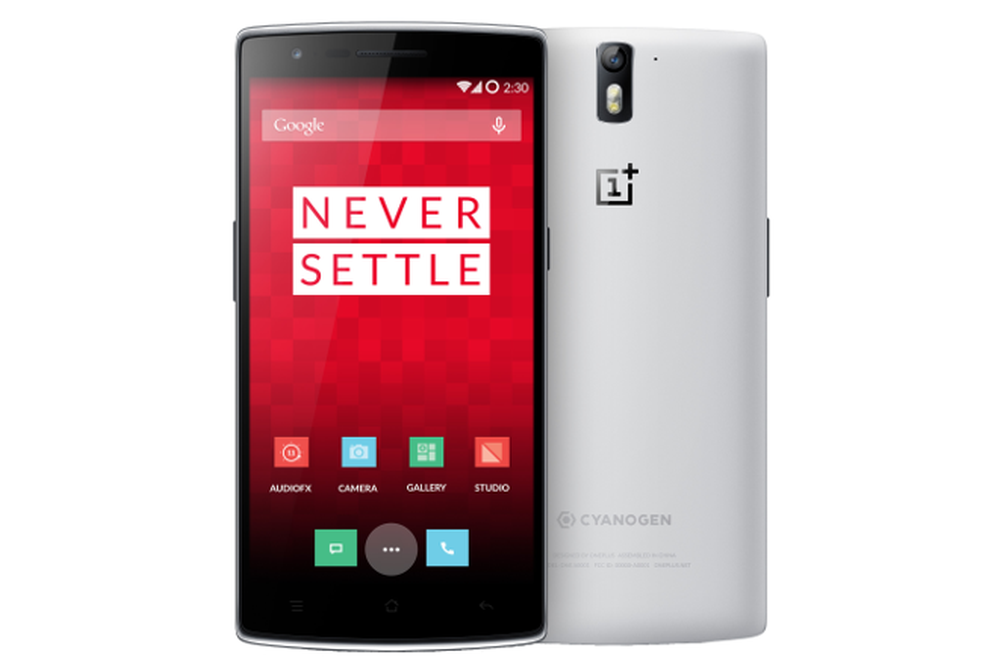
OnePlus and its first phone took the world by surprise. The One offered flagship-grade specs at mid-range prices and great software support, but more than anything, it gave customers a sense of satisfaction from being different. Needless to say, OnePlus masterfully marketed itself as the underdog who’s capable of challenging even the biggest players, and many customers wanted to be a part of that success story.

This approach gave OnePlus a strong brand identity early on, and it continues to this day, even if the company’s philosophies have changed in recent years.

So, is Samsung better than OnePlus in the new decade? Well, at the risk of sounding biased, we believe it is, but let us explain the reasons why we think Samsung is a superior OEM, and indeed, why customers who choose Samsung over OnePlus will most likely have a better user experience.

OnePlus is no longer the ‘flagship killer’ OEM you used to know

OnePlus may have seemed like it had the higher moral ground back when it released the OnePlus One at a killer price, but it turns out that the company’s business model wasn’t sustainable in the long run.

Over the years, OnePlus slowly became more like the run-of-the-mill Chinese OEMs. Its phones have gotten more expensive and less capable of challenging costlier devices on both the hardware and software fronts.

OnePlus’ design language is lagging behind the competition, and for example, the entire OnePlus 9 series uses displays with a round punch hole in the corner — a design element that Samsung has reserved for its low-cost Galaxy phones.

And with Samsung releasing fantastic new mid-range phones such as the Galaxy A52 5G, smartphone customers have even fewer reasons to look at OnePlus as if it’s the industry’s savior. Because in reality, OnePlus hasn’t been true to that self-proclaimed role in many years.

OnePlus has abandoned (near)stock Android OS

One of the biggest reasons why people used to love OnePlus phones was because the company had initially offered an almost-stock version of Android OS with a few extra customization options on top. In fact, it was one of the very few OEMs to do this, which meant that Android OS enthusiasts who didn’t want to own a Google / Nexus phone didn’t have too many other choices. OnePlus came in like a breath of fresh air in a sea of devices crippled by bloatware and custom UIs — like Samsung’s own, now-abandoned TouchWiz.

Fast forward to the present day and OnePlus is far from that original vision it held years ago. OnePlus phones no longer run Android-based CyanogenOS, but instead, the company has taken the example of other OEMs and has developed its own Android skin called OxygenOS. Is it original? Far from it. In fact, the version released in 2020 looks like it was heavily inspired by Samsung’s One UI.
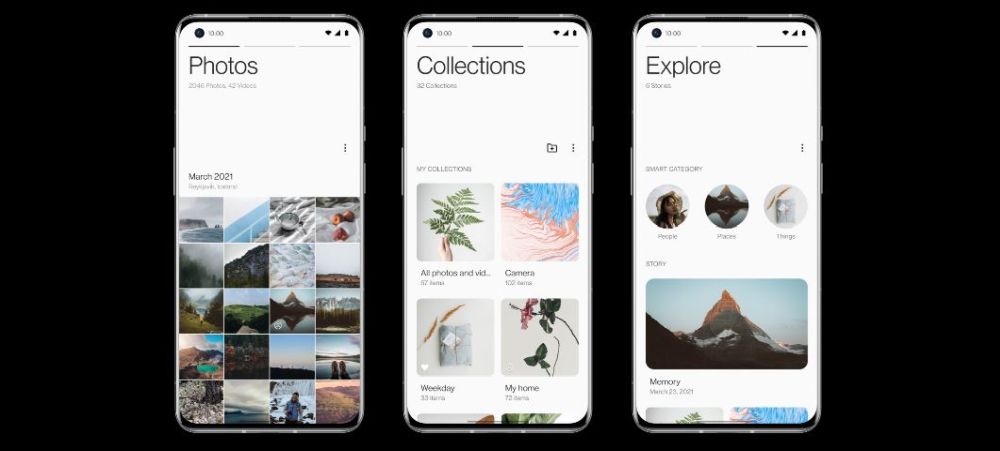
This approach doesn’t inspire a lot of confidence, and at the end of the day, anyone who likes OnePlus’ software design direction would probably appreciate Samsung’s One UI even more.

OnePlus doesn’t offer the same level of software support as it used to

Aside from abandoning the idea of stock Android OS, OnePlus has also stopped offering the best firmware support around.

The company used to take pride in its timely firmware releases and great support. Buying a OnePlus smartphone used to mean that customers would receive more major Android OS updates before support for their phones would be abandoned.
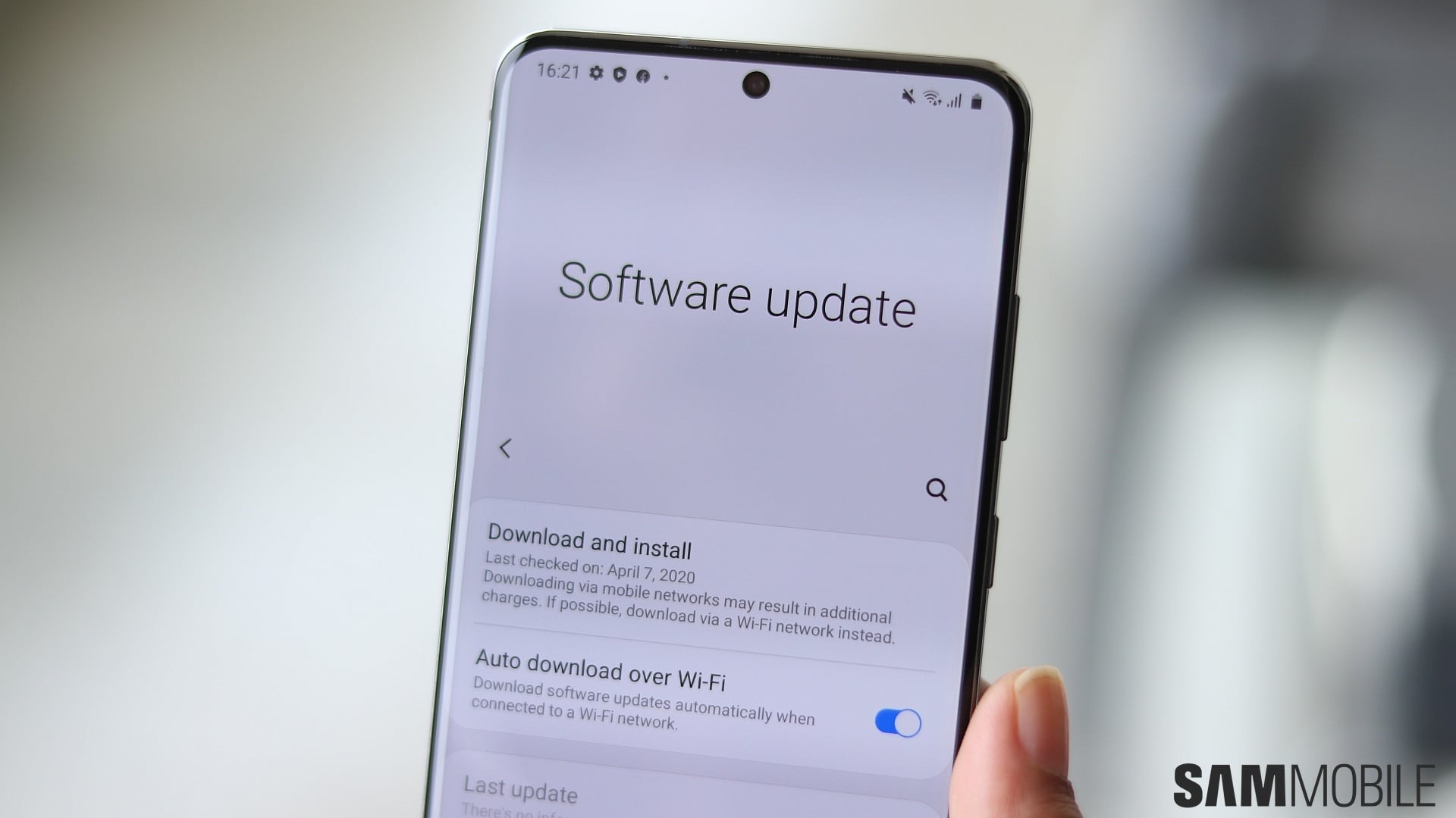
galaxy s20 software update

OnePlus has since changed its software update policy, and some of its recent cost-effective Nord phones won’t even enjoy a second major Android OS update.

In contrast, Samsung offers four years of security updates and three major Android OS updates to select Galaxy devices. Not to mention the fact that Samsung has been on top of the monthly security update schedule for a very long time.

The OnePlus ecosystem is almost non-existent

Buying a Samsung smartphone opens up a whole ecosystem of services and hardware products, and this is something OnePlus simply cannot match.

Samsung is a giant corporation that affords spending billions of dollars on research & development every year. Of course, these resources are not allocated solely for the mobile market, but this means that Samsung has a very rich product portfolio and an entire network of IoT devices capable of communicating with one another.

OnePlus has dabbled in the manufacturing of wearable devices with the release of the OnePlus Watch and the OnePlus Buds. If these names sound familiar, it’s because the company has obviously borrowed the ‘Watch’ and ‘Buds’ monikers from Samsung.
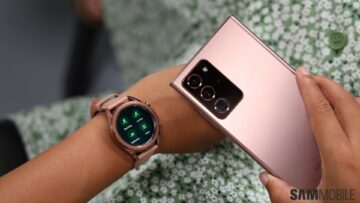
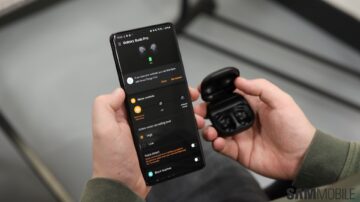
But copying these names doesn’t mean that OnePlus has also copied Samsung’s rich device ecosystem. It probably never will, so any prospective smartphone buyer who’s looking to tap into a richer device ecosystem will be much better off by picking the blue side.

And if you’re using Windows 10 computers, the Galaxy brand is without a doubt the better choice. Samsung and Microsoft are collaborating on bringing cross-functionality in various areas. The Korean tech giant has recently released the SmartThings Windows 10 app that lets customers control other Samsung smart devices through their personal computers.

Samsung also manages its own mobile payment system — Samsung Pay — and it offers plenty of devices and services for fitness enthusiasts.

OnePlus cannot match Samsung’s wide retail network

There are other perks to signing up with a big OEM such as Samsung. The Korean tech giant’s retail network dwarfs OnePlus’, which means Samsung customers will almost always have more retailers to choose from, better customer support, as well as better and more services.

Samsung and retail partners alike are constantly offering new deals on Galaxy products, and Samsung is probably offering the best trade-in deals in the Android world, at least in regions where the service is available.
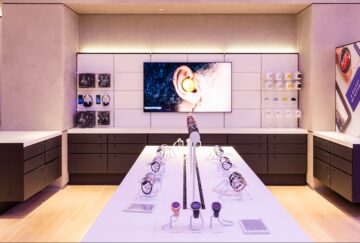
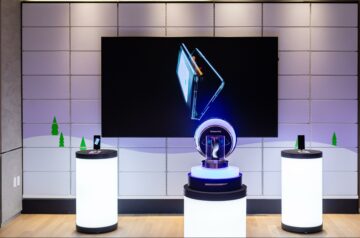
And if you’re a fan of buying new products from official brick & mortar stores, well, Samsung is the only way to go, as its Experience Stores are almost ubiquitous. OnePlus, on the other hand, has remained an online-only retailer.

Is Samsung better than OnePlus? The conclusion

Although OnePlus may have seemed like a threat to Samsung and other OEMs more than half a decade ago, neither Samsung nor OnePlus have remained the same. But while Samsung has seemingly learned from OnePlus in areas that truly matter, the smaller company appears to have lost its ambitions to lead. It’s become content to follow bigger OEMs, and Samsung is one of its sources of inspiration.

Compared to OnePlus, Samsung offers a richer product portfolio and a fairly expansive IoT / device ecosystem. It has come to excel in software support, and its retail network is unbeatable. Constant discounts and trade-in deals means there’s always a chance to upgrade to a newer device without breaking the bank, and although it may be subjective, One UI has become superior to OxygenOS. The Chinese OEM has quietly admitted this when it began copying Samsung’s UI.

The post Is Samsung better than OnePlus in the new decade? appeared first on SamMobile.


from SamMobile https://ift.tt/2RLDrnt
via IFTTT

Guess the Samsung device quiz 1: See if you can get them all right!

This is a fun new activity that we have put together for our readers. Think you can correctly identify all Samsung devices? Take part in our quiz below and let’s see how many you can get right!

We’ll create a new visual quick every week for you to participate and hopefully learn more about the many Samsung Galaxy devices. Do share the results of the quiz with your friends and see if you can compete against them for higher scores and bragging rights.

Remember, if the quiz isn’t loading properly, please access the non-AMP version of this webpage.

The post Guess the Samsung device quiz 1: See if you can get them all right! appeared first on SamMobile.


from SamMobile https://ift.tt/33BySOW
via IFTTT

Samsung’s new PixCell LED headlamp uses ISOCELL-like pixel isolation tech

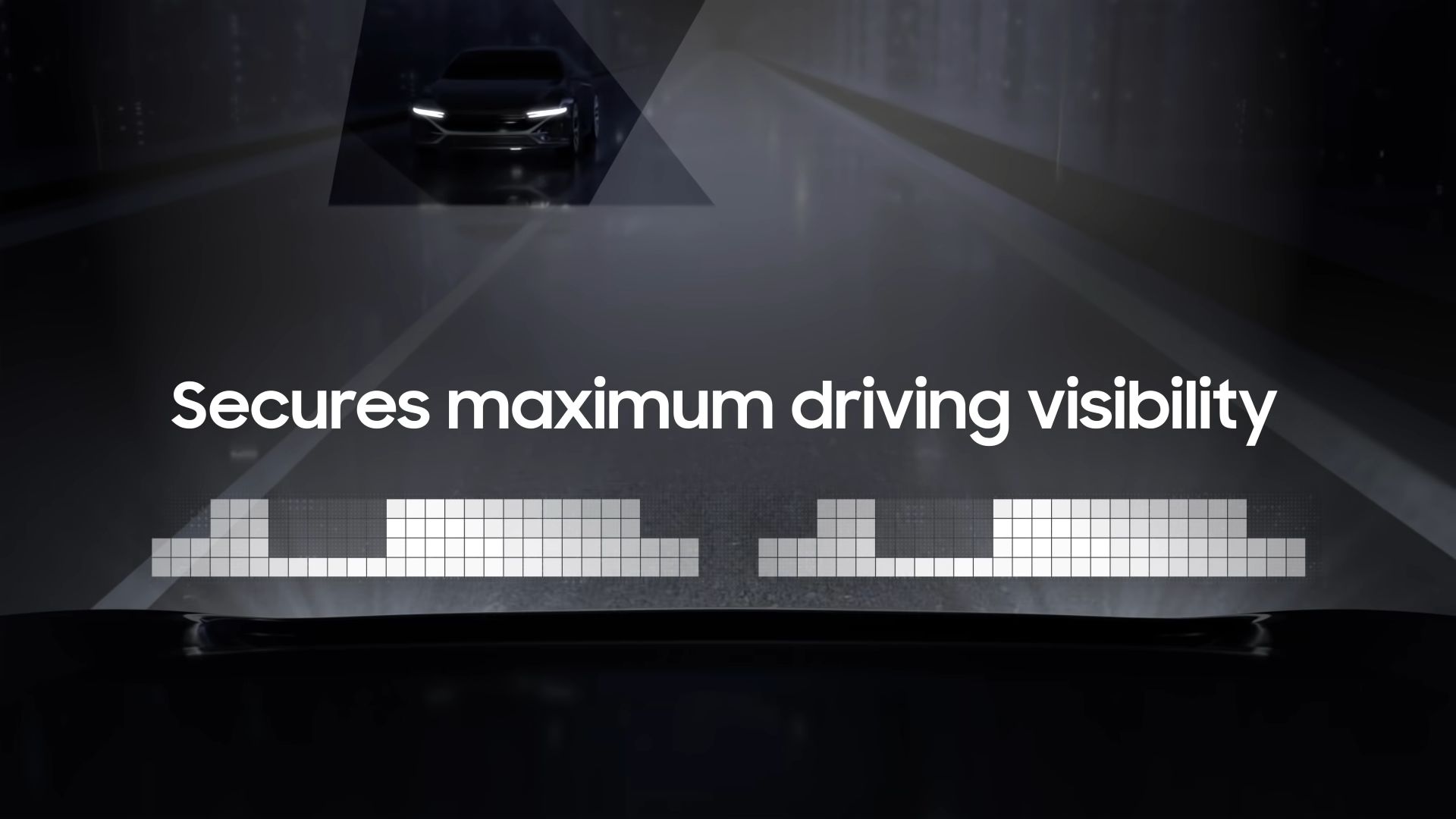
Samsung has detailed its next-gen LED module for intelligent headlights, PixCell LED, in a fresh official introduction video. In Samsung’s own words, PixCell LED is the perfect solution for energy efficient lamps fit for the sleek and stylish vehicles of the future. It’s an Adaptive Driving Beam (ADB) solution that leverages Samsung’s advanced semiconductor technology to improve upon the ADB concept in several ways. More so, PixCell LED is a product that strengthens the Korean tech giant’s ambitions of becoming a bigger component of the automotive market and its supply chain.

It sounds a lot like PixCell LED uses technologies similar to ISOCELL, or at least it relies on principles that have been used by Samsung’s mobile camera division for many years. The new LED headlamp uses what Samsung calls Silicon Wall technology to create a solid wall structure between pixels. Isolating each pixel allows for more refined light control, which is what ADB is mostly about.

ADB is a system designed to minimize glare for oncoming traffic while providing ample luminosity for the driver. The system is supposed to track oncoming cars and lower the brightness of the headlights only in specific areas. Of course, some ADB systems work better than others, and there are many factors that contribute to this variety of outcomes. Light control is one of these factors, so you can see how pixel isolation becomes massively important for LED headlights that were designed for ADB systems.

World’s narrowest pixel gap means reduced overall volume

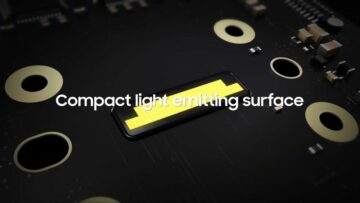
The aforementioned Silicon Wall technology has also allowed Samsung to narrow the gap between pixels to only 25 micrometers — 1/16th the size of traditional LEDs. In turn, this can significantly reduce the size of vehicle headlamp modules and simplify the optic system.

PixCell LED follows a Monolithic Integrated Architecture comprising 100 ultra-small LED segments onto a single chip. Each of these LEDs are individually-addressable. Thanks to this and the module’s small footprint, PixCell LED adheres to diverse global regulations and it can be adapted with minimal software adjustments.

This is a huge deal for car manufacturers who sell cars in multiple markets across different continents. Using PixCell LED, they won’t have to spend a lot of time and resources adapting their headlamps for left or right-hand driving. It can all be done through software with minimal effort.

Last month, Samsung confirmed that it has shipped enough PixCell LED modules to light more than 300,000 EVs (electric vehicles). Until these modules hit the road, you can see a digital representation of PixCell LED and its technical capabilities in the official introduction video below.

The post Samsung’s new PixCell LED headlamp uses ISOCELL-like pixel isolation tech appeared first on SamMobile.


from SamMobile https://ift.tt/3y4GGH6
via IFTTT

The camera app on Samsung’s Galaxy S21 phones is frustratingly laggy

There’s no denying the fact that the cameras on Samsung’s flagship phones offer an amazingly versatile photography experience. From high-resolution zoom to 8K video recording and other fancy stuff like dedicated Night and Pro modes in between, you get it all if you buy a modern Galaxy flagship, even if the best stuff is reserved for the costliest and largest models (the Ultra variants, that is).

Samsung’s camera app is also one of the most intuitive out there, but there is one thing that the Korean giant really, really needs to fix, and that’s the performance of the camera app when you’re capturing important moments.

Take a look at video below showing Samsung’s camera app in action on the Galaxy S21+. Notice how there’s crazy stutter and lag when I switch between the different zoom levels, both while zooming in and while zooming back out? The Galaxy S21 Ultra is guilty of this as well, and so is the Galaxy S21.

If you showed that screen recording to a random person and asked them to guess if it is from a flagship phone or a budget device, there’s a good chance most, if not all, will say it’s the latter (though some will likely point out that a budget phone wouldn’t have all those zoom levels, but that’s besides the point).

3x zoom, 3 seconds to get there?

Sadly, the Galaxy S21, S21+, and S21 Ultra are three of Samsung’s most high-end phones you can buy right now, and while their imaging capabilities are amazing, the experience of using all those cameras is anything but. All that lag can often prevent you from getting the right shot on time. Some lag here and there would be okay, but I see it happening all too frequently on the Galaxy S21 series phones.

It’s not just zooming in and zooming out that doesn’t happen as smoothly as it should. Quite often bringing up the list of shooting modes and then selecting one can take a lot of time as well. Surprisingly, the slowdowns in the camera app seem to be more pronounced on the Galaxy S21 series than previous flagships – I’m using the Exynos variants, but I would wager the same slowdowns are a problem on the Snapdragon variants as well.

It’s a shame, to be honest. Samsung’s latest flagship line is super fast in general, which makes the camera app’s jittery nature feel all the more jarring. Samsung needs to fix this, and fix this soon. It needs to bring out a software update that optimizes the camera performance on existing flagships and make sure future flagships don’t ever have the issue in the first place, because nothing is worse than buying a $1000+ smartphone with top-of-the-line cameras only to find that the picture-taking experience is more akin to what you would find on a $200 device.

Do you see similar slowdowns in the camera app on your Galaxy S21 series phone or another of Samsung’s flagship devices?

The post The camera app on Samsung’s Galaxy S21 phones is frustratingly laggy appeared first on SamMobile.


from SamMobile https://ift.tt/3hjCv4n
via IFTTT

جميع الحقوق محفوظة لمدونة الغريب 2013