الاثنين، 6 ديسمبر 2021

Samsung merges consumer electronics and mobile divisions, announces other leadership changes

Samsung Electronics has announced some significant leadership and organizational changes across the company. Earlier, the company had three sub-divisions—Consumer Electronics, Device Solutions, and Mobile & IT—and each of them was headed by separate CEOs since 2017. Today, the company revealed that it has merged Consumer Electronics and Mobile & IT divisions into a new arm called SET.

The SET division will include smartphones, TVs, and home appliances, and it will be headed by a single CEO: Jong-Hee Han. Previously, he led the company’s TV division (Visual Display) and helped the company retain the top position in the global TV market for 15 years in a row. He is expected to drive the company’s future and improve synergies between various divisions under the Samsung Group.

In another leadership change, Kyehyun Kyung has been chosen to lead Samsung’s semiconductors business. Earlier, he was the CEO of Samsung Electro-Mechanics and is an expert in semiconductor design. He also headed the company’s Flash Product & Technology Team and was a part of the DRAM Design Team. With the ever-growing demand for cloud infrastructure, Kyehyun Kyung’s role is vital for Samsung in the coming years.

Yongin Park is now the President and Head of System LSI business that develops camera sensors and logic chips (including Exynos processors). Earlier, he was the Executive Vice President and Head of Sales & Marketing and System LSI.

Hark Kyu Park, who was earlier President and Head of the Corporate Management Office at the Device Solutions business, is the new President & CFO. Kinam Kim, who was the Vice Chairman and Head of Device Solutions business, is now the Chairman of SAIT (Samsung Advanced Institute of Technology).

Samsung Electronics also announced that KS Choi is the new President and Head of SET North America. Earlier, he was Executive Vice President and Head of the business. Inyup Kang is now the President and Head of the North America Office for the Device Solutions business arm. Earlier, he was President and Head of the System LSI business.

Join SamMobile’s Telegram group and subscribe to our YouTube channel to get instant news updates and in-depth reviews of Samsung devices. You can also subscribe to get updates from us on Google News and follow us on Twitter.

The post Samsung merges consumer electronics and mobile divisions, announces other leadership changes appeared first on SamMobile.


from SamMobile https://ift.tt/31xYLSw
via IFTTT
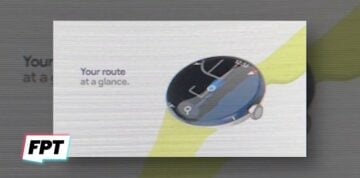
Google’s first Wear OS 3 smartwatch almost looks like a Galaxy Watch 5

Samsung and Google joined forces earlier this year to co-develop Wear OS 3 for a new generation of smartwatches. Samsung abandoned Tizen OS for wearables in favor of Wear OS 3 as a result, but this massive change has allowed the Korean tech giant to retain some exclusivity over the new OS version.

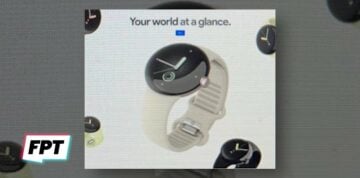
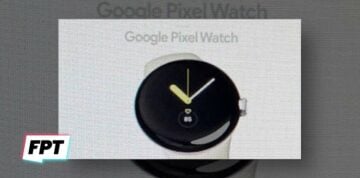
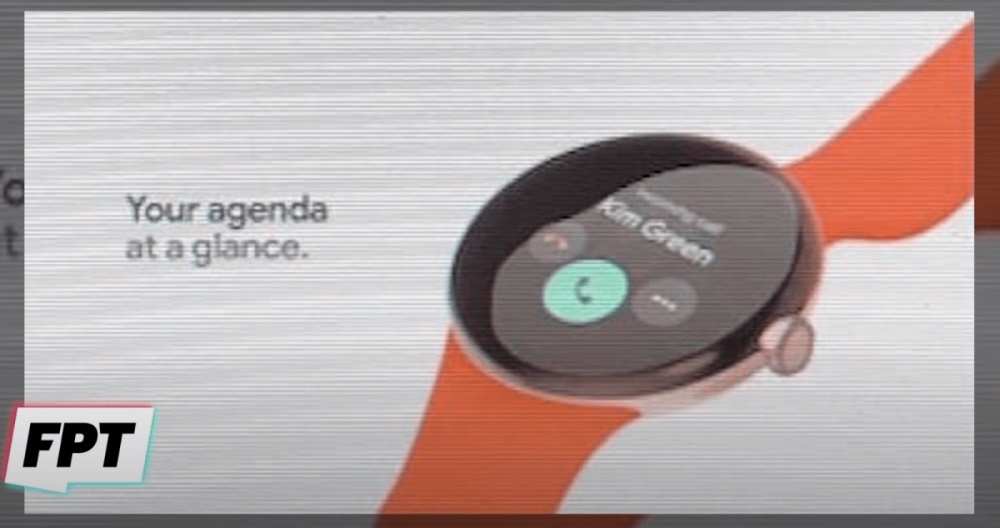
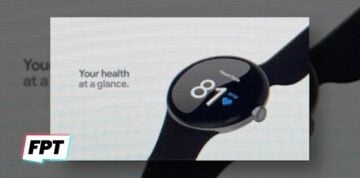
The Galaxy Watch 4 and Watch 4 Classic are the only smartwatches on the market right now to run Wear OS 3 out of the box, while other OEMs are expected to release the update as late as 2022. Google, on the other hand, is preparing its own smartwatch powered by Wear OS 3. And according to a new leak from Front Page Tech — complete with fuzzy press renders (below) — the official launch of the so-called Google Pixel Watch should be just around the corner.

Google Pixel Watch may draw inspiration from both Samsung and Apple

Like the Galaxy Watch 4, the upcoming Google Pixel Watch has a circular watch face. However, Google’s wearable won’t take advantage of One UI, and instead, it will run an unaltered version of Wear OS. The Galaxy Pixel Watch has a bezel-less design, claims one leaked slide, but it’s unclear if the wearable will offer a virtual rotating bezel for UI navigation.

As far as the exterior design is concerned, Google’s upcoming wearable appears to draw inspiration from both Samsung and Apple. It seemingly borrows the round watch face idea from the Galaxy Watch 4, but the bezels are curved around the edges, similar to the Apple Watch. It doesn’t have a flat, curved display as the Galaxy Watch 4 does.

More so, the Google Pixel Watch will reportedly have proprietary wrist straps just like the Apple Watch does, which means that, unlike the Galaxy Watch 4 series, it won’t be compatible with standard 20mm wrist straps.

Finally, the Google Pixel Watch appears to have one side physical button instead of two, which could hint at the lack of a BIA sensor.

All in all, Google’s first Wear OS 3 smartwatch almost looks like Apple’s interpretation of the Galaxy Watch 4, and it’s almost like an unusual – though admittedly gorgeous – mix between both worlds. It may not be as practical as the Galaxy Watch 4 give the limited wrist strap options, but regardless, it sort of looks like an evolution of Samsung’s design, or at least a more elegant interpretation of the base formula. We’ll have to wait and see if Samsung will draw inspiration from the Pixel Watch for its own Galaxy Watch 5 next year.

Beyond the exterior, it will be interesting to see if and how Google will attempt to differentiate its Wear OS 3 software experience from the Galaxy Watch 4 series and One UI.

Join SamMobile’s Telegram group and subscribe to our YouTube channel to get instant news updates and in-depth reviews of Samsung devices. You can also subscribe to get updates from us on Google News and follow us on Twitter.

The post Google’s first Wear OS 3 smartwatch almost looks like a Galaxy Watch 5 appeared first on SamMobile.


from SamMobile https://ift.tt/3EwAXga
via IFTTT

Samsung unveils ‘human eye-like’ ISOCELL GWB sensor with RGBW pixels

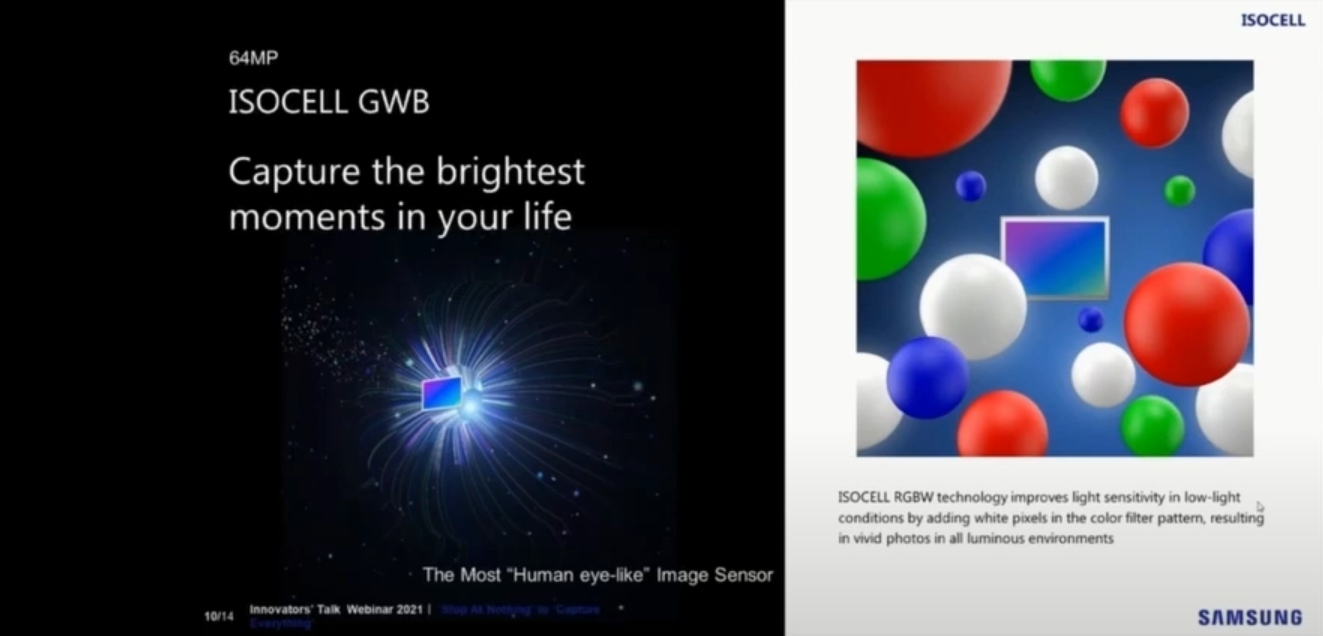
Samsung is developing its first ISOCELL camera with an RGBW color filter pattern; the company confirmed today in a webinar hosted by TECNO Mobile. The ambitious camera sensor is called the ISOCELL GWB, and contrary to previous rumors, it has a 64MP resolution as opposed to 50MP.

Vice President and Head of R&D at Samsung Electronics China presented the ISOCELL GWB and referred to it as “the most human eye-like image sensor.” The addition of a white pixel in the RGB color filter pattern improves the sensor’s light sensitivity. This clever sub-pixel arrangement leads to brighter images and better color accuracy when taking photos, even in low light conditions.

The ISOCELL GWB could end up on a TECNO Mobile phone

Samsung has developed the ISOCELL GWB sensor in partnership with Chinese smartphone maker TECNO Mobile. This partnership indicates that the ISOCELL GWB will debut on an upcoming TECNO smartphone next year. However, it may not remain exclusive to the said Chinese brand, and other Samsung customers could benefit from this technological leap very soon.

Regardless, the ISOCELL GWB doesn’t fit preliminary descriptions of the Galaxy S22 series camera setup, so it won’t debut at Galaxy Unpacked in February. The standard and S22 Plus models should have 50MP main sensors, whereas the Galaxy S22 Ultra is rumored to use a 108MP primary shooter.

There is a possibility that the ISOCELL GWB isn’t the only RGBW sensor Samsung’s been working on, and perhaps a 50MP RGBW solution could also be coming next year if early rumors are correct. Either way, we can be almost certain that the 64MP ISOCELL GWB won’t be the last RGBW sensor to come out of Samsung’s R&D labs, even though it will seemingly be the first to hit the market next year.

Join SamMobile’s Telegram group and subscribe to our YouTube channel to get instant news updates and in-depth reviews of Samsung devices. You can also subscribe to get updates from us on Google News and follow us on Twitter.

The post Samsung unveils ‘human eye-like’ ISOCELL GWB sensor with RGBW pixels appeared first on SamMobile.


from SamMobile https://ift.tt/31BI1cW
via IFTTT

The Galaxy Z Flip 3 gets a new range of Disney-themed accessories

The Galaxy Z Flip 3 is one of the most personalizable smartphones on the market for more than one reason. The cover display can be a window to expressing oneself with clever wallpaper designs, especially when synced up with a Galaxy Watch, and the Galaxy Z Flip 3 Bespoke Edition is available in select markets in no fewer than 49 color combinations. But Samsung didn’t stop there, and through a partnership with Disney, it released a range of colorful accessories themed after popular entertainment brands.

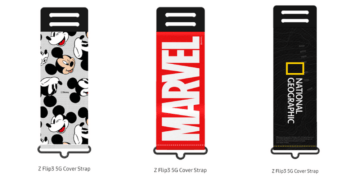
Initially, the partnership with Disney led to the release of Mickey Mouse, Star Wars, and Marvel-themed accessories for the Galaxy Z Flip 3 in Singapore via Shopee. Now, Samsung has revealed a few more accessories inspired by ‘The Simpsons’ cartoon and the educational magazine / TV network ‘National Geographic,’ and it plans to release all of them exclusively in a new market.

Popular accessories with limited reach

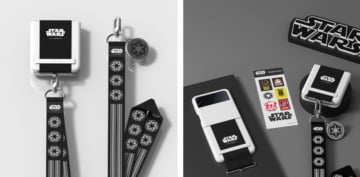
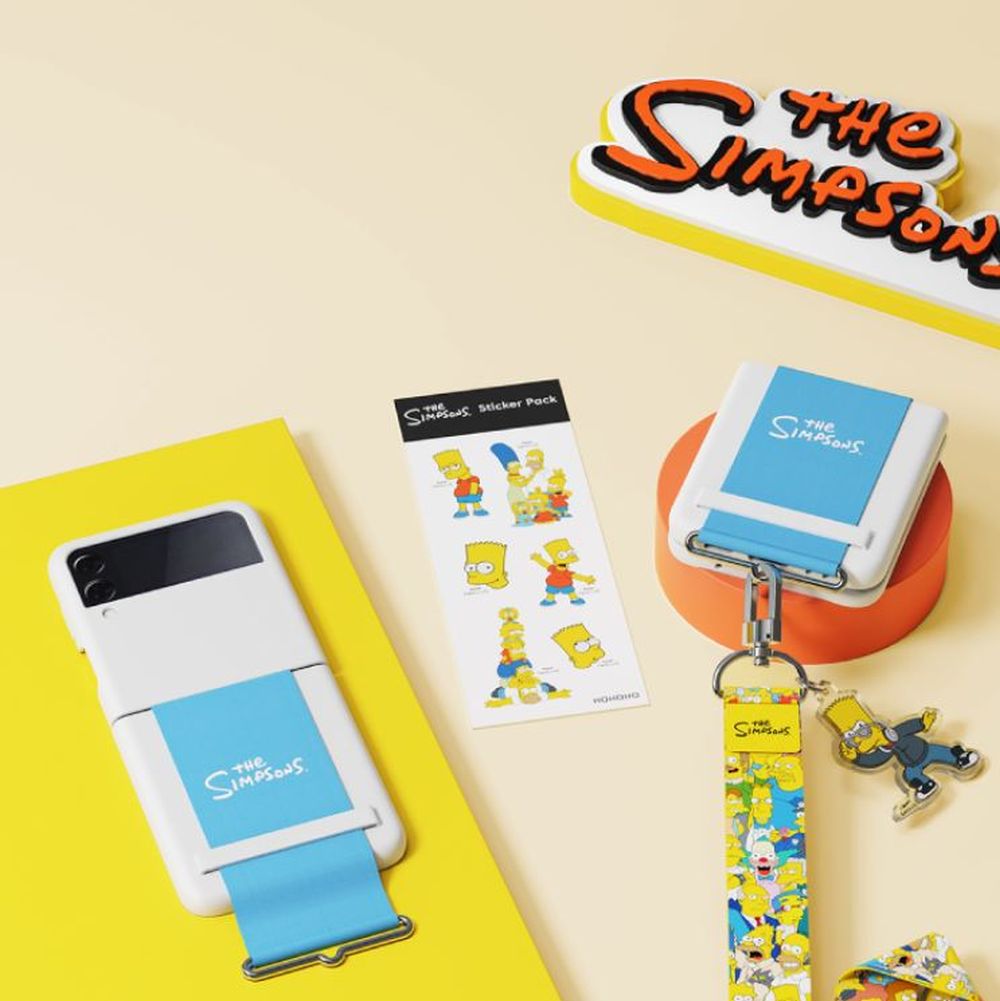
The new list of accessories consists of Galaxy Z Flip 3 Cover Straps, lanyards, and sticker packs themed after Star Wars and The Simpsons, as well as cover straps themed after Marvel and National Geographic. Although these Galaxy Z Flip 3 accessories are based on world-renowned brands owned by Disney, they have a very limited reach. They were announced exclusively for Malaysia.

The Marvel, Disney, and National Geographic Cover Strap will be available for RM 79 ($18), similar to the Mickey Mouse-themed Cover Ring Strap.

Meanwhile, Samsung will be selling the Star Wars and The Simpsons package, including a silicone cover strap, lanyard, and sticker pack for RM 159 ($37).

There’s no word on availability in other markets yet, but Samsung could extend availability at any moment. We’ll keep you posted if we find out more.

Join SamMobile’s Telegram group and subscribe to our YouTube channel to get instant news updates and in-depth reviews of Samsung devices. You can also subscribe to get updates from us on Google News and follow us on Twitter.

The post The Galaxy Z Flip 3 gets a new range of Disney-themed accessories appeared first on SamMobile.


from SamMobile https://ift.tt/3lFckWZ
via IFTTT

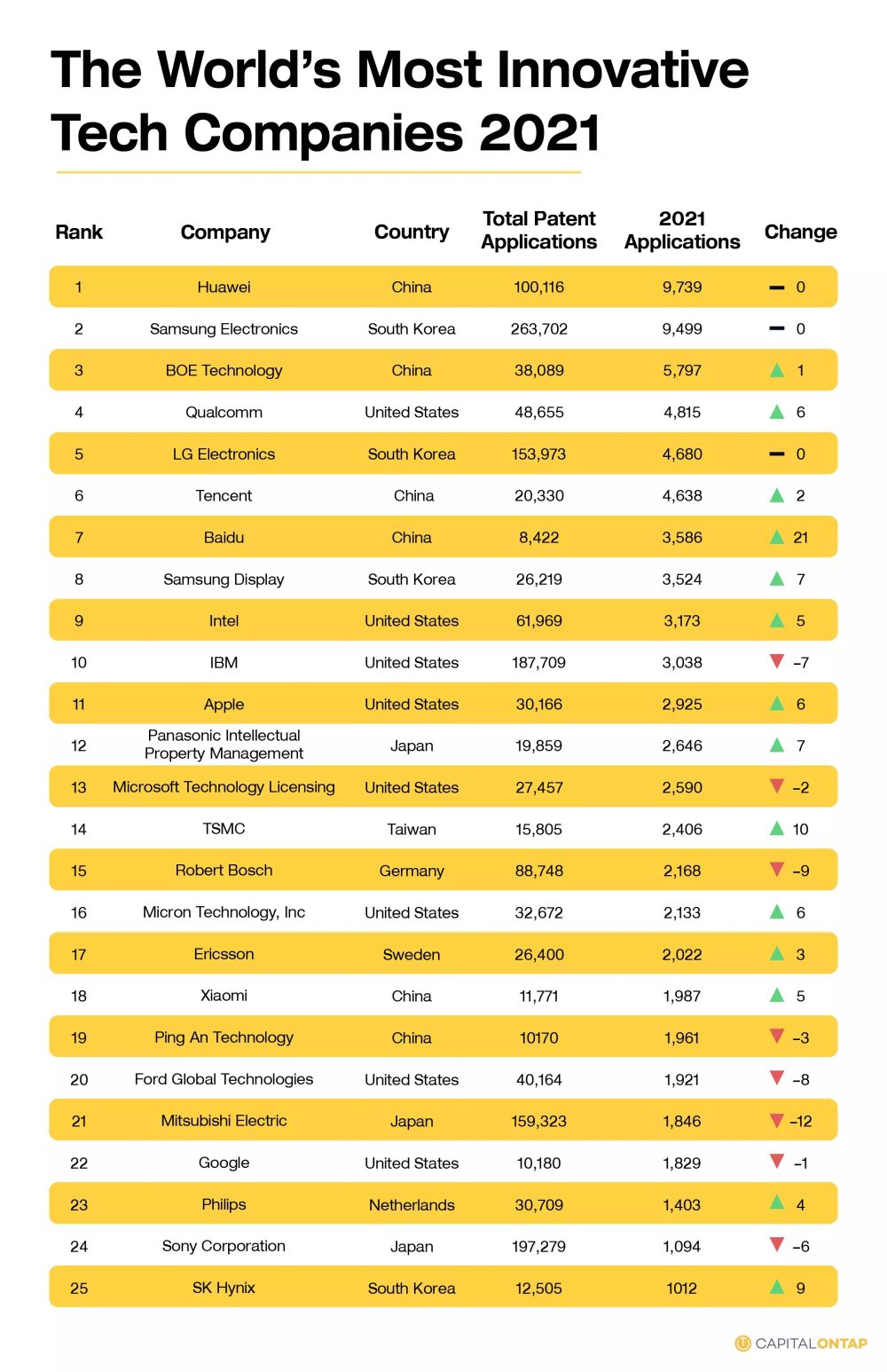
Samsung was the 2nd most innovative tech company of 2021 patent-wise

Capital on Tap has deemed Samsung Electronics one of this year’s most innovative companies on account of the large number of tech patents it secured. Like last year, Samsung was the 2nd most innovative tech company of 2021 behind Huawei.

Samsung Electronics applied for 9,499 patents in 2021, whereas Huawei led with 9,739 patents. However, Samsung is the most innovative company overall, by far — at least judging by the total number of tech patents it secured in 2021 and previous years combined, i.e., 263,702 vs. Huawei’s 100,116.

Biggest innovators over the last decade

Samsung Electronics was among the top 10 innovators over the last decade in several areas, including virtual and augmented reality (VR / AR), 5G technologies, artificial intelligence and machine learning (AI / ML), and autonomous driving.

In VR / AR, Samsung was the sixth biggest patent holder over the last decade, with 1,070 patents. The company was fourth in 5G technologies with 3,173 patents and second in AI and ML technologies (6,360 patents).

As for autonomous driving technologies, Samsung was the fifth largest innovator in the past ten years and secured 619 patents. LG Electronics led the segment with 1,889 patents.

Samsung hasn’t secured as many patents as other rivals since 2011, but even so, the company has a rich-enough back catalog to keep it at the top of the list. It has a lead of more than 50,000 patents over Sony — the second largest tech patent holder.

Join SamMobile’s Telegram group and subscribe to our YouTube channel to get instant news updates and in-depth reviews of Samsung devices. You can also subscribe to get updates from us on Google News and follow us on Twitter.

The post Samsung was the 2nd most innovative tech company of 2021 patent-wise appeared first on SamMobile.


from SamMobile https://ift.tt/3y109IZ
via IFTTT

Galaxy Z Flip 3 is absolutely killing it in the Korean smartphone market

It’s no surprise that Samsung smartphones tend to sell very well in South Korea. The conglomerate is the pride and joy of South Korea. It actually accounts for a significant chunk of the company’s GDP.

People in South Korea genuinely love Samsung products which is why it has had such a high market share there. Now that it faces even less competition from LG left the smartphone market, Samsung’s market share in its home country is now at an all-time high.

Galaxy Z Flip 3 is South Korea’s best-selling smartphone

Even when it had LG as one of its main competitors, Samsung remained in the lead comfortably with a share percentage in the high 60s. Once LG decided to exit the smartphone business in the second quarter of this year, Samsung’s market share surged to 73%.

Samsung has clearly absorbed almost all of LG’s smartphone market share. The latest data from Counterpoint Research shows as of Q3 2021, Samsung accounts for 85% of the smartphone market in South Korea.

Apple comes in at a distant second with a 12% market share. It has actually seen a marginal decline as the company accounted for 13% of the market in the same period last year.

Samsung’s latest foldable smartphones, particularly the Galaxy Z Flip 3, have pushed its market share to an all-time high. The report mentions that the Galaxy Z Flip 3 was actually the best-selling smartphone in South Korea during Q3 2021. The Galaxy S21 came second followed by the Galaxy A32 in third.

The Galaxy Z Fold 3 came in the fourth position. No surprises there as all of the previous reports have shown that it was the Galaxy Z Flip 3 that customers in South Korea couldn’t get enough of.

Samsung will be looking to keep up this momentum in the new year. It has plenty of new products in the pipeline to help it do just that.

Join SamMobile’s Telegram group and subscribe to our YouTube channel to get instant news updates and in-depth reviews of Samsung devices. You can also subscribe to get updates from us on Google News.

The post Galaxy Z Flip 3 is absolutely killing it in the Korean smartphone market appeared first on SamMobile.


from SamMobile https://ift.tt/3IoZfek
via IFTTT

Samsung shames Chinese smartphone makers with Android 12 rollout

After Google, Samsung was the first OEM to offer the latest Android 12 update to customers, and roughly one month after the initial roll-out, Samsung continues to lead its rivals, most of which are from China. As of this writing, Samsung is the only Android smartphone manufacturer to have made Android 12 available to select flagship phone customers. Not only that, but the company’s constantly increasing the gap between it and its Chinese competitors.

Samsung took the lead in mid-November when it released Android 12 and One UI 4.0 for the Galaxy S21 flagship series. Today, the company offers the latest Android 12-based update for three of its top-tier Galaxy phones, namely the Galaxy S21, the Galaxy Z Flip 3, and the Galaxy Z Fold 3. At the same time, Samsung is preparing the Android 12 update for dozens of other Galaxy phones and tablets that should be getting the first public build within the next couple of months.

The hidden costs of buying cheap(er) phones

Many Chinese brands have made a name for themselves through aggressive pricing strategies, often supported by government subsidies. Combining low prices with competitive on-paper specifications has been a recipe for success for many smartphone brands from China, especially in a mobile world that nurtured the idea that ‘bigger numbers mean better products.’ We don’t have to look further back than the so-called camera pixel wars to see this effect in action.

It’s tempting to buy a cheap and seemingly well-equipped phone rather than a Galaxy flagship that may cost a little extra, but one detail that’s not as clear at checkout is the user experience that these phones from China deliver in the long term. Case in point, no Chinese OEM has released a stable version of Android 12 yet, and it may take a while before they join the party. Meanwhile, Samsung’s close relationship with Google is paying off for both the Korean tech giant and its countless customers worldwide. Not to mention that no other OEM can hold a candle to Samsung’s fantastic monthly security patch support.

Smartphone buyers are now more knowledgeable than ever, which could be one of the many reasons why Chinese companies seem to be trying but failing to steal Samsung’s thunder. And, needless to say, the way OEMs have handled the Android 12 rollout so far stands as another piece of evidence that cheaper is not always better. Even the Netherlands-based Fairphone brand — which is ambitious enough to promise software support for more years than Samsung — has to undergo a slow development process and release Android OS updates later than other OEMs.

Samsung is leading the charge with Android 12, and there’s no sign of this changing anytime soon. The company will likely continue to set an example for months to come and should carry this lead over to the development of Android 13 in the more distant future.

Join SamMobile’s Telegram group and subscribe to our YouTube channel to get instant news updates and in-depth reviews of Samsung devices. You can also subscribe to get updates from us on Google News and follow us on Twitter.

The post Samsung shames Chinese smartphone makers with Android 12 rollout appeared first on SamMobile.


from SamMobile https://ift.tt/3DsJdfC
via IFTTT

جميع الحقوق محفوظة لمدونة الغريب 2013